
Propagation
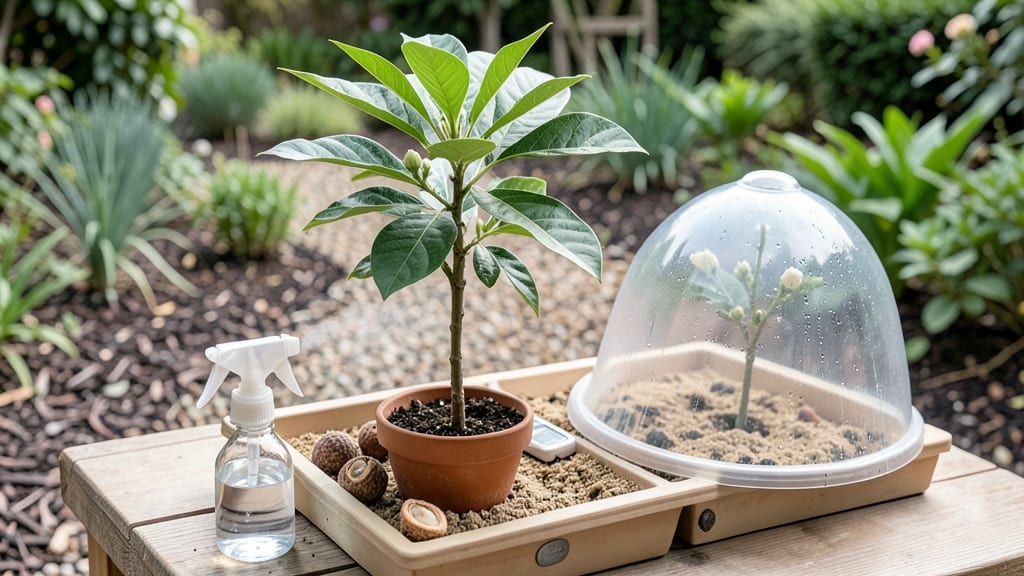
Starting a guava tree from seed means sweet rewards in just three years—if you know the tricks. 🌱 The key is patience, because germination can take 3-6 months, but once those first leaves appear, you're on your way to tropical fruit that tastes nothing like store-bought.
I've grown mine from grocery store seeds, and while they won't match grafted varieties for size or fruit quality, the flavor? Unbeatable.
You'll need warm soil (70-80°F), a sunny spot, and a pot with drainage—guavas hate soggy roots. The real secret is keeping the seed moist but not waterlogged during those first critical months.
I use a humidity dome made from a plastic bag until sprouts appear, which cuts down on mold and keeps the seed happy. Most people quit too soon; don't be one of them.
By year three, you'll see your first flowers—and eventually fruit—if you've kept the tree healthy. The leaves will be glossy, the branches sturdy, and the scent of blossoms will fill your yard.
Just remember: guavas need full sun, regular watering once established, and protection from frost if you're not in a tropical zone. The payoff? Fresh guavas straight from your own tree.
Even if you're in a cooler climate, this method works—just move the seedling indoors during winter. The first harvest might be small, but every bite will taste like sunshine. Here's how to get those seeds sprouting right now.
📚 In This Guide
- What you need
- Instructions
- Tips and common mistakes
- Wrapping up and next steps
What you need
- ● Guava seeds: 3–5 fresh, plump seeds (harvested from ripe guava fruit). Pro tip: 💡 Let them dry for 1–2 days to prevent mold.
- ● Seed-starting mix: 1–2 cups of well-draining, sterile potting soil (or a 50/50 blend of coconut coir and perlite).
- ● Small pots or seed trays: 2–4 biodegradable pots (3–4 inches wide) or a shallow tray with drainage holes.
- ● Watering can or spray bottle: For gentle hydration (avoid oversaturating seeds!).
- ● Plastic wrap or humidity dome: To create a mini greenhouse effect.
- ● Grow lights or sunny windowsill: A warm, bright spot (70–85°F) for 6+ hours daily.
- ● Pruning shears: For trimming seedlings later (sterilize with rubbing alcohol).
- ● Fertilizer: Balanced liquid fertilizer (5-5-5 NPK) for young plants (dilute to half-strength).
- ● Mulch (e.g., straw or wood chips): Once transplanted, to retain moisture.
- ○ pH tester: Optional, but guavas prefer slightly acidic soil (pH 5.5–6.5).
- ● Support stake: For when your tree reaches 2–3 feet tall (guavas can get top-heavy!).
Step-by-step instructions for growing a guava tree from seed
Here's how to start your tropical fruit adventure—patience and warmth are your best tools.
🌱 Step 1: Extract and Prepare the Seed
Guava seeds need special handling to break dormancy. Cut open a ripe guava fruit and remove the large, flat seeds. Rinse them thoroughly under running water to remove any remaining pulp. This prevents mold and speeds up germination.
Place the clean seeds on a paper towel and fold it to cover them. Dampen the towel with lukewarm water until it's evenly moist but not dripping. Store the wrapped seeds in a sealed plastic bag and refrigerate for 7-14 days. This cold stratification mimics winter conditions and tricks the seed into thinking it's time to grow.
Check the seeds every few days—if the towel dries out, mist it lightly. You'll know stratification worked when tiny white roots appear from the seed's base. This usually happens within 7-10 days if the seeds are fresh.
💧 Step 2: Plant the Germinated Seed
Fill a 4-inch diameter container with well-draining potting mix (avoid garden soil—it's too dense). Make a small hole about ½ inch deep and place one seed with the root facing downward. Cover it lightly with additional mix, pressing gently to secure it without compacting.
Water the soil until moisture reaches the bottom of the pot, then place the container in a warm spot (75-85°F) with bright, indirect light. A seedling heat mat helps maintain consistent warmth if your home runs cooler. Keep the soil evenly moist—never soggy—by watering whenever the top inch feels dry to the touch.
Germination can take 2-4 weeks. You'll see the first true leaves (not the initial seed leaves) emerge when the seedling is ready for its next phase. This is your signal to move it to a slightly larger pot with 6 inches of depth and more drainage holes.
☀️ Step 3: Transition to Outdoor Conditions
Once the seedling has 3-4 sets of true leaves (usually after 3-4 months), it's time to harden it off. Start by placing the pot outside in a sheltered spot for 1-2 hours the first day. Gradually increase exposure over 2 weeks, letting it adjust to wind, sun, and temperature swings.
After hardening, transplant the young guava tree into a 12-inch diameter pot or directly into the ground if you live in a USDA Zone 10-11 (guavas thrive in frost-free climates). Choose a location with full sun—at least 6-8 hours daily. The tree will grow slowly at first, but you'll notice new leaves forming within 4-6 weeks of transplanting.
Here's the thing—guava trees grown from seed can take 3-5 years to bear fruit, but the wait is worth it. Prune leggy growth to encourage bushier development, and fertilize lightly with a balanced 10-10-10 formula every 2 months during the growing season. Mulch around the base to retain moisture and regulate soil temperature.
✂️ Step 4: Maintain and Protect Your Young Tree
Guava trees love warmth and hate cold. If you're in a cooler climate, grow it in a large pot and bring it indoors during winter. Water deeply once a week in summer, reducing to every 2 weeks in winter when growth slows. Overwatering is the fastest way to kill a guava tree—yellowing leaves signal you're watering too much.
Watch for pests like aphids or spider mites, which love tender new growth. Spray affected areas with neem oil or insecticidal soap if you spot them. A strong guava tree will develop a thick trunk and glossy leaves within 1-2 years—this is your reward for patience.
Real talk: The first few years are about building a sturdy tree, not fruit. Focus on strong branches, deep roots, and healthy leaves. Once it's established, you'll see those iconic pink blossoms appear in spring, followed by sweet, fragrant fruit by late summer or fall.
Tips & tricks for growing a guava tree from seed
Here's what nobody tells you about growing guava trees from seed—these tricks will help you avoid common pitfalls and maximize your success.
Cold Stratification Secret: The 7-14 days of refrigeration is non-negotiable for breaking dormancy. I learned this the hard way after trying to skip it—seeds without stratification often rot or take months to sprout. Use a sealed plastic bag to maintain consistent moisture during this period, and check every few days to prevent mold. The moment you see those tiny white roots, you're golden!
Lighting Strategy: Guava seedlings need bright, indirect light during the 2-4 week germination phase. A south-facing window works, but supplement with a grow light if natural light is insufficient. Direct sunlight can scorch delicate seedlings, so position the container at least 12 inches from the window. Once true leaves appear, you can gradually introduce more direct light.
Hardening Off Technique: The 2-week hardening process in Step 3 is crucial for transplant shock prevention. Start with just 1-2 hours of outdoor exposure on day one, then increase by 30 minutes each day. Watch for wilting—this is your signal to slow down. If your climate has unpredictable weather, bring the pot indoors at night during the first week to protect your young tree.
Pest Prevention: Aphids and spider mites love guava trees, especially during the first 2 years. I keep neem oil on hand and spray preventatively every 2 weeks during warm months. Early detection is key—check the undersides of leaves regularly. If you spot pests, isolate the plant immediately to prevent spread to other houseplants or garden areas.
Pro Tips for Guava Tree From Seed
- Here's what nobody tells you about growing guava trees from seed—these tricks will help you avoid common pitfalls and maximize your success.
- Cold Stratification Secret: The 7-14 days of refrigeration is non-negotiable for breaking dormancy.
- Lighting Strategy: Guava seedlings need bright, indirect light during the 2-4 week germination phase.
Frequently asked questions
Got questions about growing a guava tree from seed? We’ve got answers! Here are some of the most common queries—plus quick tips to help you succeed.
How long does it take for a guava seed to sprout?
A guava seed typically sprouts within 14–30 days if kept in warm, moist conditions (70–85°F). Patience is key—some seeds may take longer, especially if stored improperly. Pro tip: Soak seeds overnight before planting to speed up germination!
Can I grow a guava tree indoors?
Yes, but with limitations! Guava trees thrive outdoors in tropical climates. Indoors, they’ll grow slowly and may never fruit well due to light and space constraints. If you try it, place the seedling near a south-facing window and supplement with grow lights. Expect dwarf growth—ideal for containers up to 5 gallons.
How fast will my guava tree grow from seed?
With ideal care (sun, water, and nutrients), your guava seedling could reach 3–5 feet in 1–2 years and produce fruit in 3–5 years. Growth slows in cooler months—use mulch to insulate roots. Fun fact: Dwarf varieties (like ‘Sour Sop’) mature faster than standard types!
Will my homegrown guava tree bear fruit?
Not guaranteed! Many seed-grown guavas are non-fruiting or produce small, seedy fruit. For reliable harvests, graft a known fruiting variety onto your seedling. Alternatively, choose heirloom seeds from a trusted source—some varieties (like ‘Strawberry Guava’) are more predictable.
Why isn’t my guava seedling growing?
Check these common issues:
- Yellow leaves: Overwatering or poor drainage. Let soil dry slightly between waterings.
- Leggy stems: Needs more sunlight. Move to a brighter spot or use grow lights.
- Stunted growth: Nutrient deficiency. Fertilize with citrus-specific food every 2–3 months.
If problems persist, repot into fresh, well-draining soil to refresh roots.
Wrapping up and next steps
Growing a guava tree from seed is a rewarding journey that blends patience with the joy of nurturing life.
With the right care—sunlight, well-draining soil, and consistent watering—you’ll witness your tiny seed transform into a fruit-bearing tropical beauty in just three years! 🌱 Whether you’re a beginner or a seasoned gardener, this project is a celebration of nature’s resilience and your green thumb.
Now that you’re armed with knowledge, take the first step: grab those seeds, prep your pot, and let the adventure begin. Happy planting—your future guava harvest awaits! 🍈✨