
Lawn
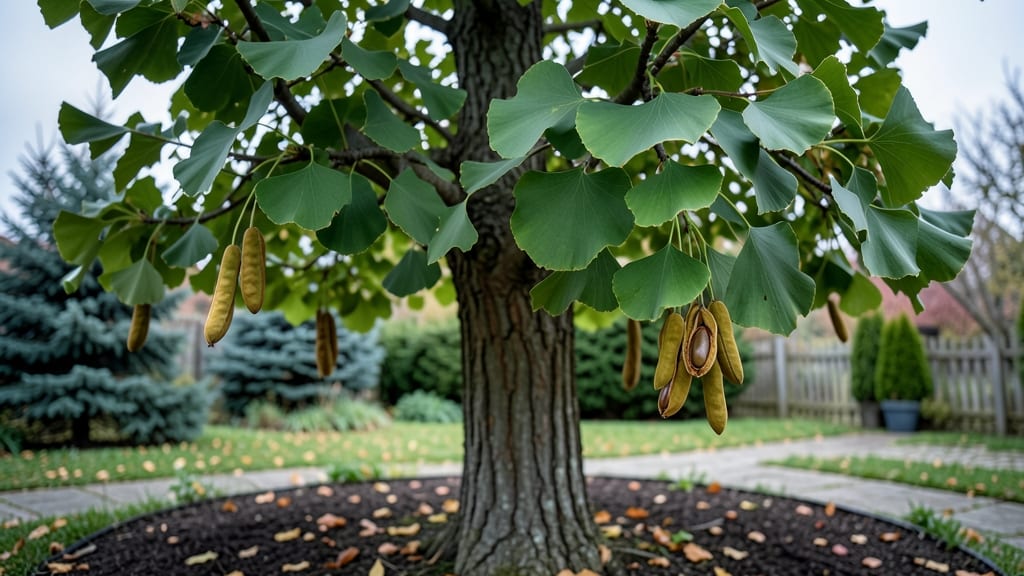
Ginkgo tree seed pods smell like rotting meat—but that's just nature's way of saying "plant me now." 🌱 These strange, fan-shaped pods drop in late fall, and if you collect them, you can grow your own ginkgo tree with fast germination if you know the tricks.
The key is timing: harvest the pods when they're fully ripe but still firm, usually in October or November. Let them dry indoors for a few weeks first—this breaks dormancy. Then, soak the seeds in water for 24-48 hours before planting, which mimics natural spring rains and speeds up sprouting.
You'll see tiny shoots emerge within 4-6 weeks if conditions are right. The secret is keeping the soil consistently moist but not soggy, and planting seeds just 1 inch deep in well-draining soil.
They're slow to mature (10+ years for full size), but the payoff is a tree that lives for centuries. Common mistakes? Planting seeds too deep or in heavy clay soil. Ginkgos thrive in USDA zones 3-8, so check your climate before starting.
Here's how to do it right the first time!
📚 In This Guide
- What you need
- Instructions
- Tips and common mistakes
- Wrapping up and next steps
What you need
- ● Mature ginkgo tree (Ginkgo biloba) – At least 20–30 years old for reliable seed production. Look for trees with plump, silver-green seed pods in fall.
- ● Gloves – Heavy-duty gardening gloves (e.g., mechanics’ or nitrile-coated) to protect against ginkgolides (mild irritants in the pod flesh).
- ● Sharp pruning shears or scissors – Bypass pruners (for clean cuts) or small garden scissors (for delicate pods).
- ● Buckets or breathable mesh bags – 2–3 5-gallon buckets or fine-mesh produce bags (to collect pods without crushing them).
- ● Newspaper or paper towels – For drying and storing seeds (avoid plastic—it traps moisture!).
- ● Labeling tags & marker – To track seed batches (e.g., harvest date, tree location).
- ○ Small hand trowel or spoon – For planting seeds (optional but helpful for precision).
- ● Plastic container with lid – For cold stratification (e.g., ziplock bag + damp paper towels).
- ● Spray bottle with water – To keep seeds moist during stratification.
- ● Seed-starting trays or small pots – 2–3 inch pots with well-draining soil mix (e.g., 50% peat/50% perlite).
- ○ Heat mat (optional) – Germination mat (70–75°F) to speed up sprouting.
- ● Clear plastic wrap or dome – To create a humidity tent for seedlings.
- ● Know your ginkgo’s sex! – Only female trees produce seed pods. Ask your local nursery or check tree tags.
- ● Timing is key: Harvest pods when they’re silver-green and fleshy (late summer to early fall).
- ● Safety first: Wear gloves—ginkgo flesh can cause skin irritation or allergic reactions.
- ● Local regulations: Check if ginkgo trees are native to your area (some states restrict planting non-native species).
Step-by-step guide to harvesting and planting ginkgo tree seed pods
Here's how to turn those distinctive ginkgo seed pods into thriving young trees—with speed and confidence.
🌱 Step 1: Harvest Mature Seed Pods at Peak Ripeness
Wait until pods turn a golden yellow and begin to split open naturally—this usually happens in late fall after the first frost. The seeds inside should be plump and firm, not shriveled or hollow. I always check pods weekly starting in October, as they ripen unevenly on the same tree.
Use clean pruning shears to cut pods directly from the branch, leaving a small stem attached. Avoid dropping pods on the ground—they bruise easily and won't store well. Collect pods in a paper bag (not plastic) to allow airflow and prevent mold. You'll need about 4 pods to yield enough viable seeds for planting.
🌿 Step 2: Extract and Stratify Seeds for Fast Germination
Open the pods carefully with a knife or your fingers—you'll find 1-2 large, tan-colored seeds per pod. Rinse seeds under cool water to remove the fleshy outer layer, then pat dry with a paper towel. The key to fast germination is stratification: place seeds in a sealed plastic bag with damp sand or peat moss (about 1 inch deep in a small container).
Store the bag in your refrigerator's crisper drawer for 3 months at 35-40°F. Check monthly to ensure the sand stays moist but not soggy. This cold treatment mimics winter conditions and breaks seed dormancy—skipping this step can delay germination by 6-12 months. I mark the bag with the date to track the 3-month period.
☀️ Step 3: Plant Stratified Seeds in Well-Draining Soil
After stratification, fill a 6-inch pot with a mix of 60% potting soil and 40% perlite (this prevents rot). Plant seeds 1 inch deep, spacing them 2 inches apart. Water lightly until the soil feels damp 1 inch below the surface, then cover the pot with clear plastic wrap to retain humidity. Place in a warm, bright spot (65-75°F) away from direct sun.
Germination typically starts in 4-8 weeks, though some seeds may take longer. You'll know it's working when you see a small white root emerge first, followed by the shoot. Keep the soil consistently moist but never waterlogged—overwatering is the #1 cause of seed rot at this stage. I use a spray bottle to mist the soil when the top inch feels dry.
⏰ Step 4: Transplant Seedlings When Strong Enough
Once seedlings develop 2-3 sets of true leaves (not the initial seed leaves), they're ready to move to individual 4-inch pots. Use the same well-draining mix and plant at the same depth as before. Harden off seedlings by placing them outdoors in partial shade for 1 hour daily, gradually increasing to full sun over 10-14 days.
Outdoor planting should wait until spring, after the last frost date in your zone. Choose a location with full sun and space for the tree to reach 30+ feet at maturity. Dig a hole twice as wide as the root ball but no deeper. Water deeply after planting to settle the soil and encourage root growth. Real talk: Ginkgos grow slowly at first, but patience pays off—you'll see 1-2 feet of growth per year once established.
Tips & tricks for growing ginkgo trees from seed pods
Here's what I learned from years of growing ginkgos—these tricks will help you skip the common pitfalls and get those seeds sprouting faster.
Timing is Everything: Don't rush the harvest! The golden yellow pods only appear after the first frost, and that timing is critical. I've seen people pick them too early, and those seeds won't germinate. Mark your calendar for late October—this is when nature tells you it's time. Also, harvest on a dry day to prevent mold from developing in your paper bag. The pods should feel firm to the touch, not mushy.
Stratification Secret: The 3-month cold treatment in the refrigerator isn't just a suggestion—it's non-negotiable for breaking dormancy. I use a small plastic container with damp sand and place it on the top shelf of my fridge (35-40°F) where it stays consistently cold. Pro tip: Wrap the container in a thin towel to prevent condensation buildup, which can cause mold. Trust me, this small effort saves you months of waiting!
Soil Mix Matters: That 60% potting soil to 40% perlite ratio isn't arbitrary—it's about drainage. Ginkgo seeds rot faster than they germinate if they sit in soggy soil. I always mix my perlite right into the potting soil before planting, then give it a good fluff to ensure even distribution. This creates tiny air pockets that prevent waterlogging while still holding enough moisture for the seeds.
Germination Watch: The first sign of life will be a tiny white root poking through the soil—this happens before you see any shoots! I keep a magnifying glass handy to spot these early signs, which usually appear in 4-8 weeks. Once you see roots, resist the urge to water heavily. Just mist the soil with your spray bottle when the top inch feels dry. Overwatering at this stage is what kills most seedlings.
Pro Tips for Ginkgo Tree Seed Pods
- Here's what I learned from years of growing ginkgos—these tricks will help you skip the common pitfalls and get those seeds sprouting faster.
- Timing is Everything: Don't rush the harvest!
- Stratification Secret: The 3-month cold treatment in the refrigerator isn't just a suggestion—it's non-negotiable for breaking dormancy.
Frequently asked questions
Got questions about ginkgo tree seed pods?
You’re not alone! Here are some of the most common queries—and their answers—to help you navigate harvesting, planting, and troubleshooting like a pro.
When is the best time to harvest ginkgo seed pods?
The ideal time to harvest ginkgo seed pods is in late fall (October–November) when they turn a golden-brown color and open slightly. Wait until they’re fully ripe but still intact—overripe pods may drop seeds prematurely. Harvest on a dry day to avoid mold, and wear gloves (they can stain!).
How long does it take for ginkgo seeds to germinate?
Ginkgo seeds have a long germination period (6–12 months), often requiring cold stratification (a winter chilling phase). Plant seeds in fall or stratify them in a damp paper towel in the fridge for 3–4 months before sowing. Patience is key—young seedlings may take years to mature!
Can I plant ginkgo seeds directly in the ground?
Yes, but only in mild climates (USDA Zones 4–8). Dig a 2-inch-deep hole in well-draining soil, place the seed flat-side down, and cover lightly. In colder zones, start seeds indoors in pots first. Ginkgos thrive in full sun and tolerate poor soil, but avoid waterlogged areas—they hate soggy roots!
Why aren’t my ginkgo seeds sprouting?
Common issues include:
- Improper stratification: Ginkgo seeds need cold treatment. If you skipped this, try refrigerating them for 3–4 months.
- Rot or mold: Overwatering or damp conditions can kill seeds. Use sterile potting mix and ensure good drainage.
- Old seeds: Seeds lose viability after 1–2 years. Harvest fresh pods for best results.
If all else fails, try soaking seeds in warm water for 24 hours before replanting.
Are ginkgo seed pods toxic to pets or wildlife?
While ginkgo seeds themselves aren’t highly toxic, the flesh of the pod contains ginkgotoxin, which can cause mild stomach upset in pets or livestock if ingested in large quantities. Remove fallen pods promptly if you have curious pets. The seeds are safe once processed (e.g., dried and roasted for tea).
Wrapping up and next steps
Ginkgo tree seed pods are a fascinating and rewarding addition to your lawn or garden—packed with potential for stunning, ancient-looking trees! 🌿 By following the right steps—from harvesting ripe pods to nurturing seedlings—you can enjoy fast germination and healthy growth.
Whether you're a seasoned gardener or just starting out, the process is simpler than you think.
Ready to take the next step? Start by gathering your supplies and head outdoors to collect those unique, fan-shaped pods. With patience and care, you’ll soon be watching your own ginkgo trees thrive! 🌱