
Container Gardens
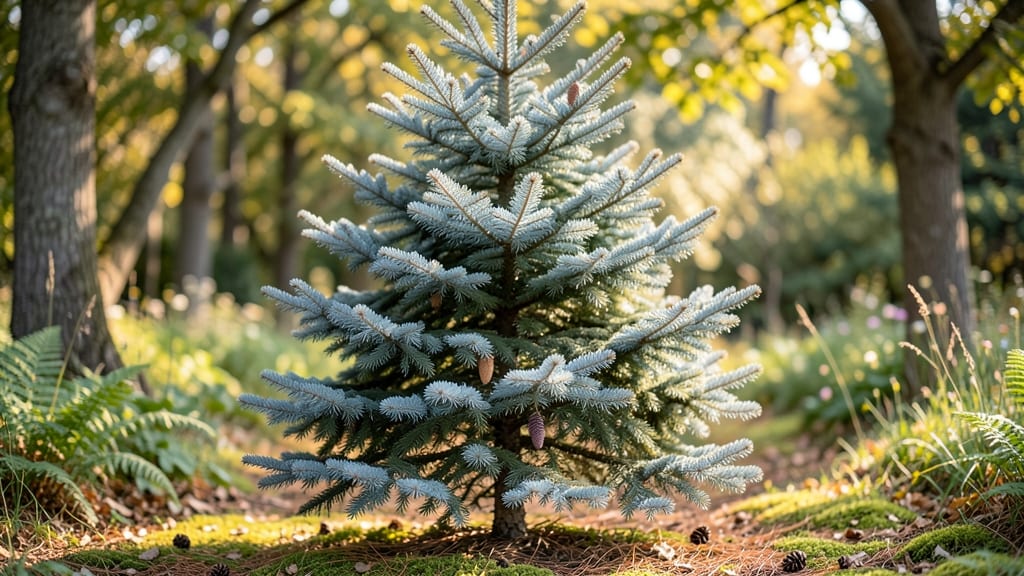
A potted fir tree can transform your patio into a lush, year-round privacy screen—no yard needed. 🌲 I learned the hard way that these evergreens thrive in containers when you nail the soil mix, drainage, and watering rhythm.
My first attempt nearly died from soggy roots, but now I’ve got a thriving blue spruce that’s taller than my fence.
The secret starts with the right container: at least 12 inches deep with drainage holes, paired with a well-draining mix of 50% potting soil, 30% perlite, and 20% pine bark. Water only when the top inch feels dry—overwatering is the #1 killer of potted firs.
Place it where it gets 4-6 hours of morning sun (afternoon shade in hot climates) to prevent needle scorch. You’ll notice new growth within 3-4 months, and with annual pruning in early spring, your tree stays compact and bushy.
The key is root-bound prevention: repot every 2-3 years into a container just 2-3 inches larger. My tree now stands 6 feet tall in a 20-gallon pot—proof that patience pays off. Perfect for balconies, courtyards, or even indoor spaces with bright light.
Just watch for spider mites (spray with water to deter them) and avoid fertilizing in winter. Here’s how to keep yours lush for decades.
📚 In This Guide
- What you need
- Instructions
- Tips and common mistakes
- Wrapping up and next steps
What you need
- ● Fir Tree Sapling: Choose a Picea species (e.g., Colorado Blue Spruce or Norway Spruce) in a 5- or 7-gallon container for best results. Look for healthy roots and vibrant needles!
- ● Large Container: A whiskey barrel, half-barrel, or oversized planter (20+ gallons) with drainage holes. Pro tip: 💡 Ensure it’s at least 18–24 inches deep to accommodate root growth!
- ● High-Quality Soil: A mix of 60% peat moss or coco coir, 30% perlite or pumice, and 10% compost for optimal drainage and nutrients.
- ● Drainage Layer: 2–3 inches of gravel or expanded shale to prevent root rot.
- ● Garden Gloves (to protect your hands from rough bark and soil).
- ● Trowel or Spade (for transplanting and soil prep).
- ● Watering Can or Hose (with a gentle spray nozzle).
- ○ Mulch (Optional): 3–4 inches of pine bark or wood chips to retain moisture and suppress weeds.
- ○ Fertilizer (Optional): A slow-release, acid-loving plant fertilizer (e.g., 10-10-10 or 16-4-8) to give your fir a nutrient boost.
- ○ Support Stakes (Optional): If your fir is tall, use 2–3 bamboo stakes and soft ties to provide stability.
Step-by-step guide to potting a fir tree for year-round privacy
Here’s how to select, prepare, and maintain a potted fir tree that thrives in tight spaces.
🪴 Step 1: Choose the Right Container and Drainage
Select a container at least 12 inches deep and wide—fir trees need room for root expansion. I prefer unglazed ceramic or fabric pots because they allow airflow and prevent root rot. Ensure the pot has multiple drainage holes (at least 3-4) to avoid waterlogging, which firs hate.
Line the bottom with 1-2 inches of gravel or expanded shale to improve drainage further. This layer prevents soil compaction and keeps roots oxygenated. If your pot lacks drainage, drill holes yourself—fir trees won’t tolerate soggy feet for long.
🌱 Step 2: Select and Prepare the Fir Tree
Choose a bald cypress (Taxodium distichum), Fraser fir (Abies fraseri), or Norway spruce (Picea abies)—these handle containers well. Avoid mature trees; opt for 3-5 foot balled-and-burlapped (B&B) seedlings for easier transitioning. Remove the burlap completely to prevent root girdling, but leave the root ball intact.
Before planting, soak the root ball in lukewarm water for 20-30 minutes to rehydrate roots. This step is critical—dry roots struggle to establish in containers. Gently loosen the outer edges of the root ball with your fingers to encourage outward growth. Here’s the thing—fir trees resent root disturbance, so handle them like glass.
💧 Step 3: Plant with Well-Draining Soil Mix
Fill the pot one-third full with a mix of 50% potting soil and 50% perlite or orchid bark—this ensures aeration and prevents compaction. Position the fir tree so the top of the root ball sits 1-2 inches below the pot’s rim. This allows for watering without spilling and mimics natural soil levels.
Backfill with the soil mix, pressing lightly to eliminate air pockets but avoiding compaction. Leave a 1-inch gap at the soil surface—this prevents water from pooling at the base. After planting, water deeply until it drains freely from the bottom holes. You’ll know it’s right when water runs out the bottom and stops after a few minutes.
☀️ Step 4: Position for Light and Shelter
Fir trees thrive in partial shade (4-6 hours of morning sun) but can tolerate full sun in cooler climates (Zones 3-6). Place your potted fir where it gets dappled light—direct afternoon sun can scorch needles. In hotter zones, move it to a shaded patio or under a pergola during peak heat.
Protect the tree from strong winds, which dry out needles and stress roots. A windbreak of lattice or a sturdy fence works well. Mulch the soil surface with 2-3 inches of pine bark fines to retain moisture and regulate temperature. This layer also suppresses weeds—fir trees despise competition.
✂️ Step 5: Maintain Through Seasons
Water deeply once a week (more in summer) until water drains from the bottom. Let the top 1-2 inches of soil dry between waterings—fir trees hate soggy conditions but also can’t tolerate drought. In winter, reduce watering to every 2-3 weeks unless temperatures drop below 20°F, then protect the pot with burlap or frost cloth.
Fertilize once in early spring with a slow-release evergreen fertilizer (follow package rates). Avoid high-nitrogen fertilizers—they encourage soft, weak growth. Prune only to shape in late winter, removing no more than 25% of the foliage at a time. Over-pruning stresses firs, and they’re slow to recover.
Tips & tricks for perfect potted fir trees
These insider tricks will help your container-grown fir tree thrive for years—without the common pitfalls that kill most potted evergreens.
Container Size Matters: The 12-inch minimum depth isn't just a suggestion—fir roots grow surprisingly fast. If you're planting a 5-foot tree, consider going up to a 16-inch container to give roots proper expansion room. I've seen firs in undersized pots develop root-bound issues within just two years, leading to stunted growth and needle drop.
Root Ball Prep Secret: When you soak that root ball for 20-30 minutes, don't just dunk it—submerge it completely and let the water reach the top of the burlap. The goal is to fully saturate the entire root mass, not just the outer edges. After soaking, gently squeeze the root ball to check moisture—it should feel like a well-wrung sponge, not a dripping wet towel. This thorough hydration prevents transplant shock, which is especially critical for firs that hate disturbance.
Soil Mix Science: That 50/50 potting soil to perlite mix isn't just about drainage—it's about creating an oxygen-rich environment. Perlite creates tiny air pockets that prevent compaction, while the potting soil provides essential nutrients. Pro tip: Mix in a handful of worm castings when planting for an extra nutrient boost without overfeeding. The key is avoiding garden soil, which compacts and suffocates roots.
Winter Protection Strategy: When temperatures drop below 20°F, don't just wrap the pot—create a microclimate. Place the potted fir against a south-facing wall or under an overhang where it's sheltered from prevailing winds. I've found that even with burlap protection, exposed roots can still suffer frost damage. A thick layer of straw mulch around the base (not touching the trunk) adds another layer of insulation that makes all the difference in harsh winters.
Pro Tips for Fir Tree Potted
- These insider tricks will help your container-grown fir tree thrive for years—without the common pitfalls that kill most potted evergreens.
- Container Size Matters: The 12-inch minimum depth isn't just a suggestion—fir roots grow surprisingly fast.
- Root Ball Prep Secret: When you soak that root ball for 20-30 minutes, don't just dunk it—submerge it completely and let the water reach the top of the burlap.
Frequently asked questions
How often should I water a potted fir tree?
Water your potted fir when the top 2 inches of soil feel dry. Overwatering is the #1 killer—fir trees hate soggy roots! Use well-draining soil and a pot with drainage holes. In winter, reduce watering to every 2-3 weeks unless your home is very dry.
Can fir trees survive winter in pots?
Yes, but they need protection! Move pots to a sheltered spot (like a garage or under an eave) before temps drop below 20°F. Wrap the pot in burlap or use a frost blanket. Avoid mulch directly on the soil—it can trap moisture and rot roots.
What’s the best soil mix for a potted fir?
Use a fast-draining mix: combine 50% peat moss or coconut coir, 30% perlite, and 20% compost. Fir trees hate compacted soil. Add sand if your mix feels too dense. Repot every 2-3 years to refresh nutrients.
How big will a potted fir tree grow?
Most dwarf varieties (like ‘Glauca Globosa’) stay 3–6 feet tall in pots, while standard firs can reach 10+ feet if pruned regularly. Choose a pot 12–18 inches wide for dwarf types and upgrade as the tree grows. Root-bound trees grow slower—repot if roots circle the pot!
Why are my fir tree’s needles turning brown?
Brown needles usually mean overwatering, underwatering, or pests. Check for spider mites (tiny webs on needles) or aphids. Trim affected branches and spray with neem oil. If soil is waterlogged, let it dry out completely before watering again.
Are there fir tree alternatives for small spaces?
Yes! Try dwarf Alberta spruce (compact, cold-hardy) or Japanese holly (evergreen, glossy leaves). For year-round color, boxwoods or dwarf mugo pines are great low-maintenance picks. Just ensure they get enough sunlight—most thrive in full sun to partial shade.
Wrapping up and next steps
A fir tree in a pot is a game-changer for small spaces—offering lush privacy, year-round beauty, and minimal fuss! Whether you’re a beginner or a seasoned gardener, these evergreens bring nature’s elegance to patios, balconies, or cozy corners.
With the right care, your potted fir will thrive, becoming a stunning focal point that feels like a forest retreat.
Ready to transform your space? Grab your supplies, pick your favorite fir variety, and get planting! Tag us in your potted fir photos—we’d love to see your green oasis come to life! 🌲✨