
Pruning
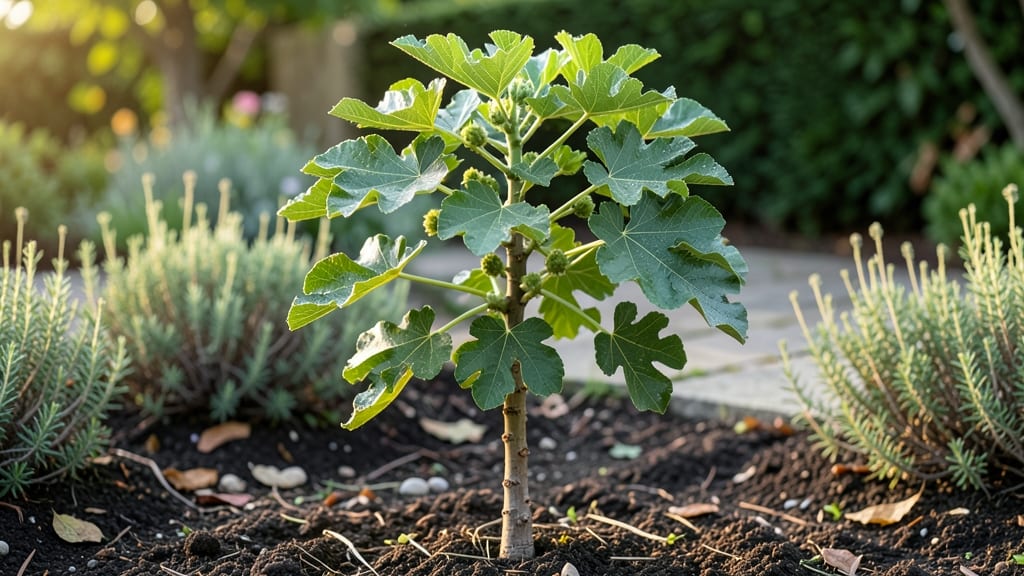
Fig tree shoots grow into a privacy screen faster than you'd expect—imagine lush, 12-foot walls of glossy leaves in just three years. 🌿 I've turned bare fences into green barriers using nothing but a few cuttings and some patience, and the results are shockingly effective. The key?
Starting with healthy shoots and giving them the right conditions from day one. You'll need well-draining soil, full sun (at least six hours daily), and a spot sheltered from harsh winds. Fig trees thrive in zones 7-10, but even cooler climates can grow them in containers and overwinter indoors.
Water deeply once established, but avoid soggy roots—they're the #1 killer of young shoots. Prune aggressively in late winter to encourage bushier growth and faster height. By year three, your screen will be dense enough to block nosy neighbors and summer sun alike.
The leaves stay vibrant year-round in mild climates, and the trees produce sweet fruit as a bonus. I've seen mine grow 3-5 feet per season with proper care—way faster than traditional hedges. Works for urban backyards, rural property lines, or even large containers on patios.
Here's how to get those shoots growing strong from the start."
📚 In This Guide
- What you need
- Instructions
- Tips and common mistakes
- Wrapping up and next steps
What you need
- ● Fig tree shoots: 3–5 healthy, 12–18" long cuttings (from a mature fig tree, ideally in late winter or early spring). Pro tip: Choose shoots with at least 3–4 leaf nodes!
- ○ Rooting hormone: 1 small bottle (optional but highly recommended for faster root growth).
- ● Well-draining potting mix: 1–2 bags (50% perlite/sand + 50% peat or coconut coir).
- ● Containers or seed trays: 4–6 small pots (4–6" diameter) or a seed tray with drainage holes.
- ● Mulch: 1 bag (straw, wood chips, or shredded leaves to retain moisture).
- ● Pruning shears: 1 pair (sterilized with rubbing alcohol).
- ● Garden trowel: 1 (for transplanting).
- ● Spray bottle: 1 (for misting shoots).
- ● Measuring tape or ruler: 1 (to check shoot length).
- ○ Gloves (optional):strong> 1 pair (to protect hands from sap).
- ● A sunny location: Fig trees thrive in full sun (6+ hours daily).
- ● Well-draining soil: Test your soil’s pH (ideal: 6.0–7.0). Amend with compost if needed.
- ● Water source: A hose with a gentle spray nozzle or drip irrigation system.
- ● Patience (but not too much!): With proper care, your privacy screen will reach 6–10 ft in just 3 years!
How to establish a fig tree privacy screen in 3 years
Here's the straightforward method I use to grow a lush, fast-growing privacy hedge.
🌱 Step 1: Select and Prepare Healthy Shoots
Choose 4-6 healthy fig tree shoots with multiple branches and a sturdy trunk—these will be your foundation plants. Look for shoots with at least 3-4 feet of height and a diameter of 1-2 inches at the base. I always inspect the bark for smoothness and check for any signs of disease or pest damage.
Prepare the shoots by trimming any dead or weak branches with clean, sharp pruners. Cut at a 45-degree angle just above a leaf node to encourage new growth. This step ensures your plants start strong and grow fuller faster.
🪴 Step 2: Plant Shoots in the Right Location
Dig holes twice as wide as the root ball but only as deep as the container they came in. Space the holes 8-10 feet apart—fig trees spread quickly, so proper spacing prevents overcrowding later. The reason we space them this far apart is that fig trees grow wide and bushy, filling in fast.
Mix the soil in each hole with a handful of compost to improve drainage and fertility. Place each shoot in its hole, ensuring the top of the root ball sits 1 inch above ground level. This prevents water from pooling around the trunk, which can cause rot. Backfill with soil and tamp gently to remove air pockets.
☀️ Step 3: Water and Mulch for Fast Establishment
Water each newly planted shoot deeply until the soil is moist 6 inches down. You'll know it's right when water drains out the bottom of the hole. After watering, apply 2-3 inches of mulch around the base, keeping it 6 inches away from the trunk. Mulch helps retain moisture and keeps roots cool during hot spells.
Here's the thing—fig trees thrive in full sun, so choose a location with at least 6-8 hours of direct sunlight daily. If your site gets afternoon shade, growth will be slower but still acceptable. Water newly planted shoots every 2-3 days until new growth appears—this ensures roots establish quickly.
✂️ Step 4: Prune for Shape and Encourage Fullness
In the first year, focus on shaping your fig trees by pruning back any overly long branches to encourage bushier growth. Cut just above a leaf node where you want new growth to start. I prune in early spring and again after the first flush of new leaves to keep the plants compact and full.
Watch for any suckers growing from the base—these are new shoots that can be transplanted to fill gaps. If you notice any branches growing inward, remove them immediately to prevent rubbing and potential damage. This pruning strategy helps your screen fill in faster and stay healthy.
⏰ Step 5: Maintain Through the Growing Season
During the first growing season, water your fig tree shoots 1-2 times per week, depending on rainfall. You'll know it's time to water when the top 2 inches of soil feel dry. Fertilize lightly in early spring with a balanced, slow-release fertilizer to support steady growth.
By year three, your fig tree shoots will form a dense, natural privacy screen. The key to keeping them fast-growing is consistent care—watering, pruning, and protecting them from frost. With this method, you'll have a lush, private outdoor space in no time.
Tips & tricks for fast-growing fig tree privacy screens
Here's what I learned after planting my own fig tree privacy screen—and how to avoid the mistakes I made.
Shoot Selection: Don't just grab any shoots! Look for ones with a diameter of 1-2 inches at the base—the thicker the trunk, the faster they'll establish. I once planted thinner shoots that took twice as long to fill in. Also, check the bark for smoothness—rough or cracked bark often signals disease. The first year's growth depends entirely on starting with healthy stock.
Planting Depth: The top of the root ball should sit 1 inch above ground level—this isn't optional. I learned this the hard way when my first batch of shoots developed root rot from being planted too deeply. Use a level to check depth after backfilling, and always tamp soil gently to eliminate air pockets that could strangle new roots.
Watering Strategy: Those 6-8 hours of sunlight mean your fig shoots will dry out fast. Water deeply until moisture reaches 6 inches down—you'll know it's right when water drains from the bottom of the hole. I set a timer for 2-3 days between waterings until new growth appears, but adjust for your climate. Overwatering is just as bad as underwatering for these Mediterranean plants.
Pruning Timing: Early spring and after the first flush of new leaves are your pruning windows—don't skip either. I waited too long the first year, and my screen filled in patchily. When pruning, cut at a 45-degree angle just above a leaf node to maximize new growth. Watch for suckers at the base—these are free plants you can transplant to fill gaps in your screen.
Pro Tips for Fig Tree Shoots
- Here's what I learned after planting my own fig tree privacy screen—and how to avoid the mistakes I made.
- Shoot Selection: Don't just grab any shoots!
- Planting Depth: The top of the root ball should sit 1 inch above ground level—this isn't optional.
Frequently asked questions
Got questions about growing fig tree shoots as a privacy screen? You’re not alone! Here are some of the most common concerns—and their answers—to help you get started with confidence.
How fast do fig tree shoots grow?
Fig tree shoots can grow surprisingly fast—up to 2–3 feet per year under ideal conditions (full sun, well-draining soil, and regular watering). With proper care, a dense privacy screen can be established in just 3 years, though growth rates vary by variety (e.g., 'Brown Turkey' or 'Celeste' are quicker than some others).
When is the best time to plant fig tree shoots?
The optimal planting window is late winter or early spring (just before new growth starts) or fall (6–8 weeks before frost). Avoid extreme heat or cold—figs hate soggy roots or freezing temps. If planting in summer, do it early morning or late evening to reduce transplant shock.
Can I grow fig tree shoots from cuttings?
Yes! Fig tree shoots root easily from semi-hardwood cuttings (taken in late spring or early summer). Dip the cut end in rooting hormone, plant in moist potting mix, and keep in bright, indirect light. Roots typically form in 4–6 weeks. For faster results, layer a low branch in soil during the growing season—it’ll sprout roots and can be separated later.
Why aren’t my fig tree shoots thriving?
Common issues and fixes:
- Yellow leaves: Overwatering or poor drainage. Let soil dry slightly between waterings.
- Slow growth: Needs more sun (figs crave 6+ hours of direct light daily).
- Dropping fruit: Thirsty trees or pests (check for aphids or spider mites). Mulch and water deeply.
- Leaf scorch: Underwatering or heat stress. Water at the base, not overhead.
Pro tip: Fertilize lightly in spring with citrus-friendly fertilizer (high in nitrogen). Too much can burn roots!
Are fig tree shoots cold-hardy?
Most fig varieties are tender perennials and struggle below 15–20°F (-9 to -7°C). For colder climates:
- Plant in containers and move indoors or under cover in winter.
- Choose hardier varieties like 'Chicago Hardy' or 'Desert King' (tolerate 10°F/-12°C with protection).
- Mulch heavily and wrap the trunk with burlap for insulation.
If you’re in Zone 7 or colder, consider microclimates (south-facing walls) or greenhouses.
Wrapping up and next steps
Fig tree shoots are a game-changer for anyone dreaming of a lush, fast-growing privacy screen without the wait! 🌿 With their rapid growth—reaching 10+ feet in just 3 years—and low-maintenance charm, they’re perfect for transforming bare spaces into cozy, shaded retreats.
Whether you’re a seasoned gardener or a beginner, these shoots offer easy care, versatility, and stunning foliage that’ll make your outdoor space the envy of the neighborhood.
Ready to take the next step? Start by selecting your favorite fig variety (like Chicago Hardy or Brown Turkey) and grab your tools—your future privacy haven is just a few shoots away! 🌱