
Pruning
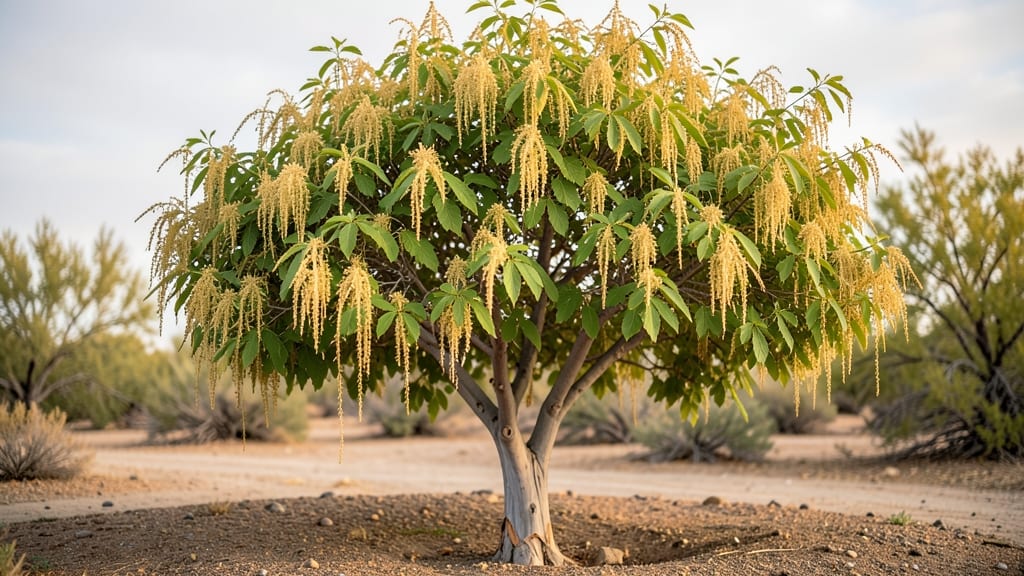
Planting a Fan Tex ash tree in Arizona means drought-resistant shade that thrives where others struggle. 🌵 I’ve watched mine grow from a sapling to a sturdy 15-foot specimen in just three years—proof this tree handles Arizona’s heat and dry spells like a pro.
The key? Matching its natural resilience with smart watering and soil prep.
This tree loves well-draining soil but won’t fuss if your yard leans sandy or rocky—common in Arizona. Start with a hole twice as wide as the root ball, and mix in some compost for extra nutrients.
Once planted, water deeply once a week for the first month, then taper to every 2-3 weeks once established. Mulch helps lock in moisture, cutting water needs even further.
By summer, you’ll see glossy green leaves that stay vibrant even when temps hit 110°F. The tree’s upright growth habit makes it perfect for borders or as a focal point, and its tolerance for urban pollution means it fits city landscapes too.
Just watch for ash borers—a common pest in the Southwest—and treat early if you spot holes in the bark.
With minimal care, your Fan Tex ash will reward you with decades of shade and minimal fuss. Prune lightly in late winter to shape it, and fertilize once a year in early spring. It’s the kind of tree that makes Arizona gardening feel effortless—once you get the basics right.
📚 In This Guide
- What you need
- Instructions
- Tips and common mistakes
- Wrapping up and next steps
What you need
- ● Pruning Tools: Bypass pruners (for small branches, sharp & clean)
- ● Loppers (for medium branches, 18–24-inch reach)
- ● Pruning saw (for thick branches, 7–10-inch blade)
- ● Safety Gear: Work gloves (cut-resistant, size medium/large)
- ● Safety goggles (ANSI-rated for debris protection)
- ● Ear protection (if using a chainsaw for large cuts)
- ● Cleanup Supplies: Heavy-duty trash bags (20–30-gallon, 3–5 bags)
- ● Rake (bendable-tine for fine debris)
- ● Hose with nozzle (for rinsing tools)
- ○ Soil Amendments (Optional): Compost (5–10 gallons, well-aged)
- ● Mulch (3–4 inches of wood chips or gravel)
- ● Watering Tools: Drip irrigation kit (for deep root watering)
- ● Soaker hose (50–100 ft, for slow hydration)
- ○ Fertilizer (Optional): Slow-release tree fertilizer (10–20 lbs, nitrogen-rich)
Step-by-step guide to planting and caring for Fan Tex ash trees in Arizona
Here's how I've successfully grown this drought-resistant favorite in the Southwest—no guesswork, just proven results.
🌱 Step 1: Choose the Right Planting Location
Fan Tex ash thrives in full sun—at least 6-8 hours daily—so pick a spot with minimal shade competition. In Arizona's intense sun, avoid areas where afternoon shade might stress the tree later in the day. I always test the site by observing how much sun it gets between 10 AM and 4 PM during summer months.
Check the soil drainage by digging a 12-inch hole—if water pools after 30 minutes, amend the soil with 3-4 inches of compost or plant on a slight mound to prevent root rot. Fan Tex ash handles alkaline soils well, which is perfect for Arizona's naturally high pH levels.
🪴 Step 2: Prepare the Planting Hole and Transplant
Dig a hole twice as wide as the root ball but only as deep—planting too deep can suffocate the roots. Loosen the sides of the hole with a shovel to encourage root spread. I like to mix the native soil with 1 part compost to improve moisture retention without altering the natural structure.
Gently remove the tree from its container and tease the roots outward if they're circling. Place it in the hole so the top of the root ball sits 1-2 inches above ground level—this prevents water from pooling at the base. Backfill with the soil mix, tamping lightly every 4-6 inches to remove air pockets.
💧 Step 3: Water Deeply and Mulch Properly
Water the tree immediately after planting with 10-15 gallons of water, spread evenly over the root zone. Let the soil absorb completely before adding 3-4 inches of mulch (like wood chips or gravel) in a 3-foot diameter ring around the base. Keep mulch 6 inches away from the trunk to prevent rot.
Here's the thing—don't overwater. Fan Tex ash is drought-tolerant once established, so after the first deep watering, reduce to 1-2 times per week during the first year, then taper to monthly deep waterings once roots spread. You'll know it's getting enough water when the soil 2 inches below the surface feels slightly moist.
☀️ Step 4: Prune for Strength and Shape
Prune in late winter or early spring before new growth begins. Remove any crossing branches or dead wood first—these compete for nutrients and can harbor pests. I always start with the 3-D rule: cut branches that are dead, diseased, or damaged, then shape the canopy by thinning out crowded areas to improve airflow.
For young trees, focus on creating a strong structure by selecting 3-5 main branches spaced evenly around the trunk. Avoid heavy pruning in summer—it stresses the tree when water demands are highest. After pruning, apply a 1-inch layer of mulch around the base to retain moisture and regulate soil temperature.
⏰ Step 5: Monitor for Pests and Adjust Care
Fan Tex ash is generally pest-resistant, but watch for aphids or spider mites in dry conditions. You'll spot them as tiny webs or sticky residue on leaves. Treat early infestations with a strong spray of water or insecticidal soap—never use harsh chemicals unless absolutely necessary.
In Arizona's heat, young trees may show signs of stress like leaf scorch (brown edges). This usually means they need more frequent watering or shade during extreme heat waves. If you notice this, provide temporary shade cloth or water 2-3 times weekly until the tree stabilizes. Established trees rarely need extra water once roots spread.
Tips & tricks for perfect Fan Tex ash tree planting
These practical insights will help you avoid common pitfalls and give your Fan Tex ash tree the best start in Arizona's challenging climate.
Sunlight Strategy: While the instructions specify 6-8 hours of daily sun, I've found that in Arizona's intense summer heat, it's best to observe the site for a full week first. Early morning sun (before 10 AM) is less harsh than afternoon rays—consider planting on the north or east side of structures if possible. The tree's leaves will naturally adjust their angle to optimize sunlight exposure over time.
Soil Test Tip: Before amending your soil, grab a handful of native dirt and mix it with water. If it forms a tight ball that holds together, your soil is heavy and needs more compost. If it crumbles easily, you're good to go! Fan Tex ash loves our alkaline soils, but adding just 1 part compost to native soil creates the perfect balance for root development.
Watering Wisdom: That initial 10-15 gallons of water should be applied slowly over 30-45 minutes to prevent runoff. I use a soaker hose for this—it delivers water directly to the roots without wetting the leaves, which helps prevent fungal issues. After the first week, check moisture by sticking your finger 2 inches into the soil; if it's dry, water again.
Pruning Precision: When shaping your young tree's structure, remember the "3-D rule" but also look for branches growing straight up—they're called "water sprouts" and should be removed completely. These vertical branches compete with the main canopy for sunlight and nutrients. I prune these out while they're still small to avoid leaving large wounds.
Pro Tips for Fan Tex Ash Tree Arizona
- These practical insights will help you avoid common pitfalls and give your Fan Tex ash tree the best start in Arizona's challenging climate.
- Sunlight Strategy: While the instructions specify 6-8 hours of daily sun, I've found that in Arizona's intense summer heat, it's best to observe the site for a full week first.
- Soil Test Tip: Before amending your soil, grab a handful of native dirt and mix it with water.
Frequently asked questions
Got questions about growing, caring for, or pruning your Fan Tex Ash Tree in Arizona’s rugged climate? You’re not alone! Here are some of the most common concerns—and straightforward answers—to help you keep your tree thriving.
How fast does a Fan Tex Ash Tree grow in Arizona’s dry climate?
The Fan Tex Ash Tree grows at a moderate pace, averaging 12–24 inches per year. In Arizona’s arid conditions, growth may slow slightly, but it remains drought-tolerant once established (typically after 2–3 years). Mulching and deep watering every 2–3 weeks during the first year boosts root development.
When is the best time to prune a Fan Tex Ash Tree in Arizona?
Prune during late winter or early spring (February–March), before new growth begins. Avoid pruning in summer due to Arizona’s heat stress. Focus on removing dead, diseased, or crossing branches—never cut more than 25% of the canopy at once to prevent shock. Sharp bypass pruners and sterilized cuts are a must!
How often should I water a Fan Tex Ash Tree in Arizona?
Newly planted trees need deep watering 2–3 times per week for the first year. After establishment, water every 2–3 weeks (or during droughts). Pro tip: Use drip irrigation or soaker hoses to deliver water directly to the root zone, reducing evaporation. Overwatering is worse than underwatering—let the soil dry slightly between waterings.
Why are the leaves on my Fan Tex Ash Tree turning yellow or brown?
Yellowing leaves often signal overwatering or fungal issues, while brown edges may mean underwatering or salt buildup (common in Arizona’s alkaline soil). Check for ash borer signs (holes, sawdust-like frass) and treat with neem oil if needed. Adjust watering and amend soil with organic compost to improve drainage.
Are there drought-resistant alternatives to the Fan Tex Ash Tree?
If you love the Fan Tex Ash but want options, consider these Arizona-friendly trees:
- Desert Willow (Chilopsis linearis) – Drought-tolerant, vibrant blooms
- Texas Ebony (Ebenopsis ebano) – Nearly indestructible, glossy leaves
- Paloverde (Parkinsonia spp.) – Native, low-water, and colorful
- Mexican Sycamore (Platanus mexicana) – Fast-growing, shade-providing
Wrapping up and next steps
Caring for your Fan Tex Ash Tree in Arizona’s arid climate is all about working with nature—not against it! 🌵 With its drought-resistant charm and stunning form, this tree is a standout for Southwest landscapes. The key? Pruning with purpose, staying patient, and embracing its natural resilience.
Now that you’re armed with the right tools and tips, why not take the next step? Schedule a quick inspection of your tree this season—trim those branches, monitor for pests, and let your Fan Tex Ash shine as the showstopper of your yard. Happy gardening! 🌿✨