
Pruning
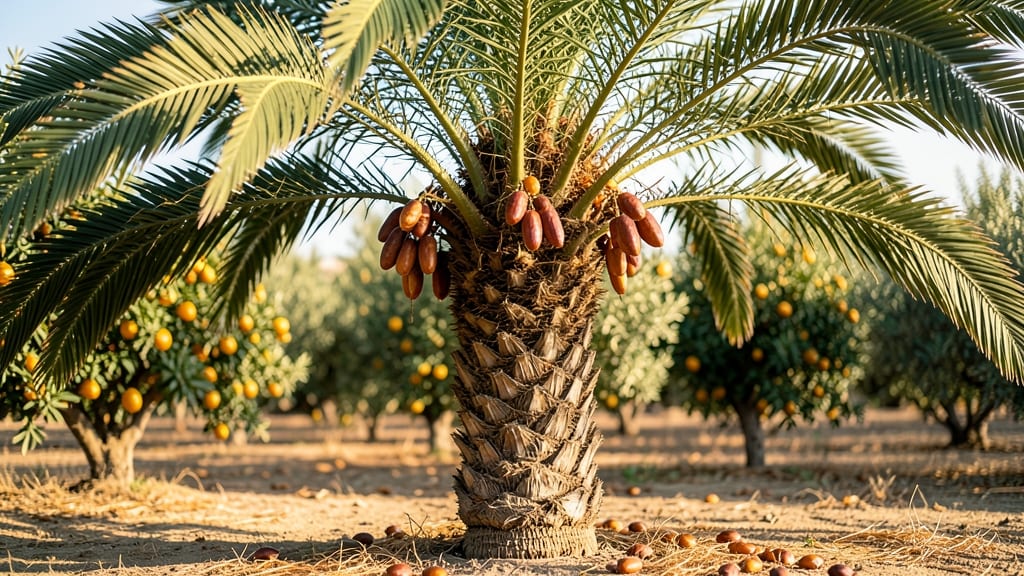
Growing the date palm tree fruit in your backyard transforms desert dreams into reality. 🌵 I planted my first palm five years ago, and now we harvest sweet, golden dates every fall—no grocery store needed. The secret isn’t just heat and sun, but understanding how these ancient trees truly thrive.
You’ll need full sun, well-draining soil, and patience—these palms grow slowly but reward you with decades of fruit. My tree now stands 12 feet tall and produces 50+ dates per season, but it started as a tiny sapling.
The key is mimicking their natural Mediterranean or desert habitat: warm days, cool nights, and minimal fuss once established.
By summer’s end, you’ll watch the fruit ripen from green to amber, sweetening as they go. The harvest feels like a celebration—plucking dates straight from the tree and tasting the difference between store-bought and homegrown. No pesticides, no preservatives, just pure, sun-kissed fruit.
Works in zones 9-11, but container growing extends the range. Here’s how to get started without common pitfalls like overwatering or frost damage—trust me, I’ve made those mistakes too.
📚 In This Guide
- What you need
- Instructions
- Tips and common mistakes
- Wrapping up and next steps
What you need
- ● Date palm tree (Phoenix dactylifera): Choose a healthy sapling (3–5 years old) or a mature tree (10+ years for fruit production). Pro tip: 💡 Opt for cold-hardy varieties like Medjool or Deglet Noor if you live in cooler climates.
- ● Well-draining soil: Mix 60% sandy loam + 30% compost + 10% perlite (for young trees). Mature trees thrive in alkaline soil (pH 7.5–8.5).
- ● Fertilizer: Balanced fertilizer (10-10-10) – Apply ¼ cup per tree every 4–6 weeks during growing season (spring–fall).
- ● Potassium-rich fertilizer (0-0-50) – Use 2 tbsp per tree in late summer to boost fruit development.
- ● Watering supplies: Drip irrigation system (recommended for mature trees) or a 5-gallon watering can (for saplings).
- ● Moisture meter (to check soil 2–3 inches deep; ideal moisture: 60–70%).
- ● Pruning tools: Sharp bypass pruners (for small branches).
- ● Loppers (for thicker branches, ½–1 inch in diameter).
- ● Safety gloves & goggles (palm fronds can be spiky!).
- ● Pest control: Neem oil spray (for aphids/scale insects).
- ● Diatomaceous earth (food-grade, ½ cup per gallon of water for soil-dwelling pests).
- ● Sunlight: Full sun (6–8+ hours daily). Pro tip: 🌡️ Young trees can tolerate partial shade but fruit production suffers.
- ● Temperature: Ideal: 75–100°F (24–38°C) year-round.
- ● Cold tolerance: 25–30°F (-4 to -1°C) for mature trees (young trees need 35°F+ (2°C+)).
- ● Wind protection: Plant near a windbreak (e.g., fence or hedge) to prevent frond damage.
- ● Mulch: 3–4 inches of wood chips around the base (keep 6 inches away from trunk to prevent rot).
- ● Soil test kit – Check nutrient levels annually.
- ● Pollination aid: A soft paintbrush (to manually pollinate flowers if natural pollinators are scarce).
- ● Support stakes – For young trees (2–3 stakes, 3 feet tall) to stabilize growth.
Step-by-step instructions for cultivating date palm fruit
Here's how to nurture a date palm from pollination to harvest—no shortcuts, just proven techniques.
🌱 Step 1: Identify and Select the Right Palm Variety
Choose a fruit-bearing cultivar like Medjool or Deglet Noor, as ornamental palms won't produce edible dates. These varieties thrive in USDA zones 8-11 and need full sun (6+ hours daily) for optimal fruit development. I always verify the palm's sex—only female palms bear fruit, and they require male palms for pollination (or manual pollination if no males are nearby).
Check for healthy fronds with no brown edges or yellowing—these are early signs of stress. A mature female palm produces hundreds of flowers per cluster, so patience is key. If you're starting from seed, expect 5-10 years before your palm bears fruit, while grafted trees may fruit in 3-5 years.
☀️ Step 2: Ensure Optimal Growing Conditions
Date palms demand well-draining soil with a pH of 7.0-8.0—too acidic, and nutrient uptake fails. Amend heavy clay with sand or perlite to prevent root rot, which kills palms faster than drought. I test soil annually and add lime if pH drops below 6.5, as dates need alkaline conditions to thrive.
Water deeply once a week during dry spells, soaking the root zone to 18 inches deep. Overwatering causes bud rot, while underwatering stresses the tree and reduces fruit set. You'll know moisture is right when the soil feels damp but not soggy down to your wrist. Mulch with 2-3 inches of organic matter (like composted leaves) to retain moisture and regulate temperature.
🌿 Step 3: Pollinate Flowers for Fruit Development
Female date palm flowers emerge in late spring, forming dense clusters at the frond tips. If male palms are present, bees typically handle pollination—but I still hand-pollinate for consistency. Use a soft brush to transfer pollen from male flower clusters to female ones in the morning when pollen is fresh. Cover the flowers with breathable mesh afterward to protect them from pests.
Watch for small green fruits forming within 4-6 weeks—this confirms successful pollination. If no fruits appear after a month, repeat pollination or check for pollen viability. Female flowers without pollination will drop naturally, so don’t panic if some clusters fall early.
⏰ Step 4: Monitor Fruit Growth and Protect from Pests
Dates go through three distinct stages: green (hard), kimri (soft, semi-ripe), and tamr (fully ripe). Harvest kimri dates for fresh eating or tamr dates for drying. I mark harvest dates on my calendar—kimri dates appear 4-5 months after pollination, while tamr dates ripen 6-8 months later.
Protect your palm from date palm weevils (a silent killer) by inspecting fronds monthly for sawdust-like frass or wilting tips. Apply neem oil as a preventative spray every 2 weeks during growing season. Overripe dates attract fruit flies, so remove fallen dates promptly and dispose of them in sealed bags.
✂️ Step 5: Harvest and Process Dates Properly
Harvest kimri dates by gently twisting them from the cluster—don’t cut the stem, as this can damage the fruit. For tamr dates, wait until the fruit softens slightly and the skin turns golden brown. Sort dates by size and ripeness, discarding any with mold, cracks, or soft spots. I store kimri dates in the fridge for up to 2 weeks or process them immediately.
To dry dates for long-term storage, spread them in a single layer on a mesh rack in a well-ventilated, dry area (70-80°F). Turn them daily to ensure even drying, which takes 7-10 days. Once fully dried, dates should feel leathery and store for up to a year in an airtight container. Overdrying makes them tough—taste-test a few to gauge doneness.
Tips & tricks for perfect date palm fruit cultivation
Here's what I've learned after years of nurturing my own date palms—these details make all the difference between a struggling tree and a thriving fruit producer.
Variety Verification: Don't assume you have a fruit-bearing palm! Many ornamental varieties like Phoenix canariensis look similar but produce inedible fruit. For edible dates, verify your palm is Medjool or Deglet Noor by checking the leaf base—fruit-bearing palms have a distinctive swollen trunk base. I always cross-reference with local nurseries or extension services to confirm before investing time in pollination.
Soil Science Matters: The pH of 7.0-8.0 isn't just a suggestion—it's critical for calcium uptake, which prevents fruit drop. I use a simple DIY test: mix equal parts soil and vinegar. If it fizzes vigorously, your soil is too alkaline (above 8.0). For acidic soils (below 7.0), apply dolomitic lime at 5 pounds per 100 square feet annually. The 18-inch deep watering isn't just about moisture—it encourages deep root growth, which supports heavier fruit clusters later.
Pollination Precision: Timing is everything with those 4-6 weeks after pollination. I mark my calendar for late spring and set reminders to pollinate every 3 days during peak bloom—pollen viability drops sharply after morning collection. Pro tip: Use a magnifying glass to check for pollen grains on your brush before transferring. If you see no yellow dust, try a different male cluster. The breathable mesh covering isn't just for pests—it creates a microclimate that maintains humidity, which is crucial for fruit set in dry climates.
Pest Prevention Strategy: Date palm weevils are the silent assassins of this crop. I've lost three palms to them, so now I inspect fronds monthly with a flashlight at dawn when the weevils are most active. The neem oil application every 2 weeks isn't just about pests—it also acts as a fungicide, preventing the bud rot that often follows weevil infestations. For fruit flies, I've had success with protein bait traps placed 20 feet from the tree perimeter during tamr date season.
Pro Tips for Date Palm Tree Fruit
- Here's what I've learned after years of nurturing my own date palms—these details make all the difference between a struggling tree and a thriving fruit producer.
- Variety Verification: Don't assume you have a fruit-bearing palm!
- Soil Science Matters: The pH of 7.0-8.0 isn't just a suggestion—it's critical for calcium uptake, which prevents fruit drop.
Frequently asked questions
Got questions about growing and harvesting date palm fruit?
You’re not alone! Here are some of the most common queries—plus quick, actionable answers to keep your palm thriving.
How long does it take for a date palm tree to produce fruit?
A date palm typically takes 5–7 years to bear fruit after planting, though some dwarf varieties may fruit sooner (around 3–4 years). Patience is key—focus on proper care (water, sunlight, and soil) to speed up the process. Pro tip: Male and female flowers appear on separate trees, so you’ll need at least one of each for pollination!
When is the best time to harvest date palm fruit?
Dates ripen in late summer to fall (August–October in most regions), but timing depends on your climate. Harvest when the fruit softens slightly and the skin darkens—don’t wait too long, or they’ll overripen and spoil. Test one date: if it’s sweet and plump, it’s ready! Bonus: Shake the tree gently to spot ripe clusters.
Why aren’t my date palm fruits developing? Troubleshooting tips
No fruit? Check these fixes:
- Age: Trees under 5 years old may not fruit yet.
- Pollination: Hand-pollinate with a brush if bees aren’t visiting (male flowers release pollen in spring).
- Nutrients: Boost potassium and phosphorus with compost or fertilizer.
- Stress: Overwatering or drought can halt fruit set. Aim for consistent moisture.
Can I grow date palms indoors or in containers?
Yes! Dwarf varieties (like Phoenix roebelenii) thrive in pots, but expect smaller yields. Use a large container (20+ gallons) with drainage, and move it outdoors in warm months. Indoor palms need bright light—near a south-facing window or with grow lights. Warning: Bring pots inside if temps drop below 30°F.
What’s the best way to store harvested dates?
Fresh dates last 1–2 weeks at room temp, but for long-term storage:
- Freeze them for up to 6 months (great for smoothies!).
- Dehydrate or dry in a food dehydrator (removes moisture, extends shelf life).
- Store in an airtight container in the fridge for 3–4 weeks.
Are there alternatives to traditional date palms for small spaces?
If space is limited, try:
- Medjool dates (Phoenix dactylifera ‘Medjool’): Faster-growing but still needs space.
- Canary Island date palm (Phoenix canariensis): Cold-hardy and ornamental (edible but smaller fruit).
- Palm-like plants: Try Yucca or Dracaena for a tropical look with zero fruit!
Wrapping up and next steps
Growing date palm tree fruit is a rewarding journey that blends patience, care, and a touch of tropical magic! 🌴 With the right soil, pruning techniques, and a little love, your palm can thrive year-round, offering sweet, golden rewards.
Whether you're a seasoned gardener or just starting, every healthy leaf and fruit is a step toward success.
Ready to take the next step? Start small—plant a sapling or nurture your existing tree with confidence! Share your progress, ask questions, and watch your date palm flourish into a fruitful centerpiece for your garden. The harvest of the future begins with the seeds (or saplings) you plant today! 🌱