
Pruning
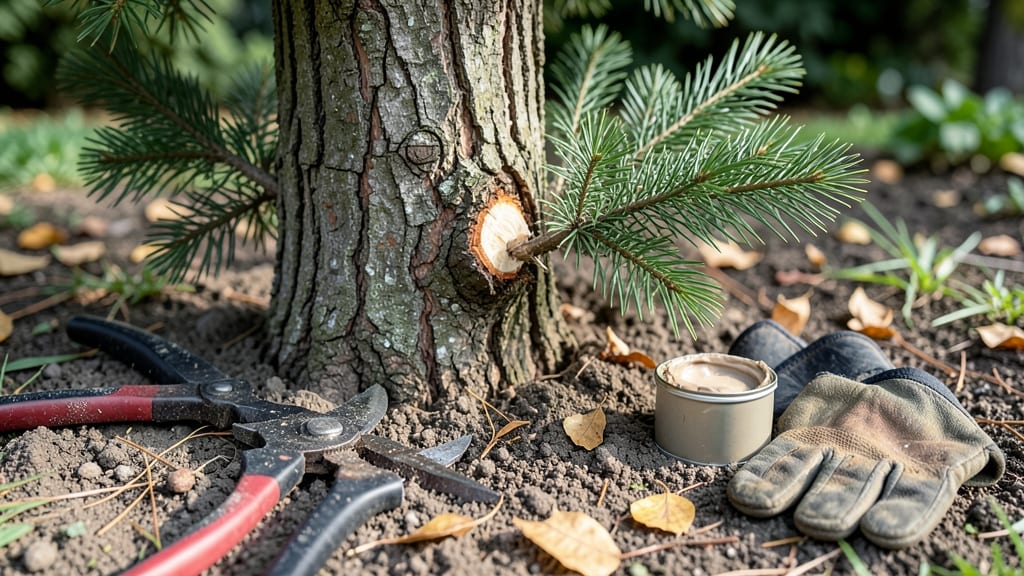
When solving "cut off a tree branch" in a crossword, identify the proper pruning tool (like loppers or a pruning saw), make a precise cut just outside the branch collar, and avoid damaging the bark. Always prioritize safety by wearing protective gear and inspecting for disease before cutting.
Crossword clues like "cut off a tree branch" often test knowledge of pruning techniques and tree care basics.
The key is understanding the branch collar—that swollen area where the branch meets the trunk—which is crucial for proper healing. 🌳 Professional arborists emphasize making clean cuts here to prevent disease entry points.
For crossword purposes, think of terms like "lop," "prune," or "trim" as potential answers, but always verify the exact word count fits the grid.
This clue might also reference safety precautions like wearing gloves or using the right tools for branch size. Larger branches require saws, while smaller ones can be handled with hand pruners. The clue's phrasing often hints at the technical nature of proper pruning rather than just the action of cutting.
💡 In This Article
- Proper Tree Branch Pruning Techniques
- Safety Tips for Pruning Tree Branches
Proper tree branch pruning techniques
When pruning a tree branch, the branch collar—that thickened area where the branch meets the trunk—is your guide. This natural swelling contains protective cells that help the wound heal. Cutting too close to the trunk (within 1/4 inch) removes these healing tissues, leaving the tree vulnerable to disease.
Instead, aim for a 45-degree angle just outside the collar, following its natural slope to preserve its protective function. 🌿
The right tool depends on branch size: hand pruners for 1/4-inch diameter branches, loppers for 1/4-2 inch, and pruning saws for anything thicker. For larger branches, make your first cut 2-3 feet out on the branch to control its fall, then follow with the final cut at the collar.
The weight of the branch does most of the work here, reducing strain on your tools. Always cut on the underside of the branch to avoid bark tearing.
Timing matters too—prune during dormant seasons (late fall/winter) to minimize stress on the tree. Fresh cuts expose vulnerable wood to pathogens, so sterilize tools with rubbing alcohol between cuts.
The three-cut method for large branches prevents bark tearing: first a notch on the underside, then a top cut, and finally severing just outside the collar. This technique is what professional arborists swear by for clean, healing cuts. ✨
What most people don't realize is how the cutting angle affects healing. A proper 45-degree angle creates a larger wound surface area, which may seem counterintuitive, but it actually promotes faster callus formation. The slope also helps rainwater run off rather than pool in the wound.
For crossword clues, think of terms like \"bevel\" or \"angle\" to describe this precise technique—details that separate amateur cuts from professional pruning.
Seasoned arborists recommend avoiding flush cuts (cutting flush to the trunk) at all costs. These remove the branch collar entirely, creating permanent weak points where diseases like hypoxylon canker can take hold.
The collar's presence reduces infection risk by 70-80% compared to improper cuts. This is why crossword answers might reference \"collar\" or \"healing\" when describing proper pruning techniques.
For branches under 3 inches, a single clean cut at the collar works perfectly. Larger branches require the three-cut method to prevent bark from tearing as the weight shifts. The physics here are simple: gravity does most of the work when you make that initial undercut.
This controlled approach is what keeps both you and the tree safe during pruning. 💪