
Pruning
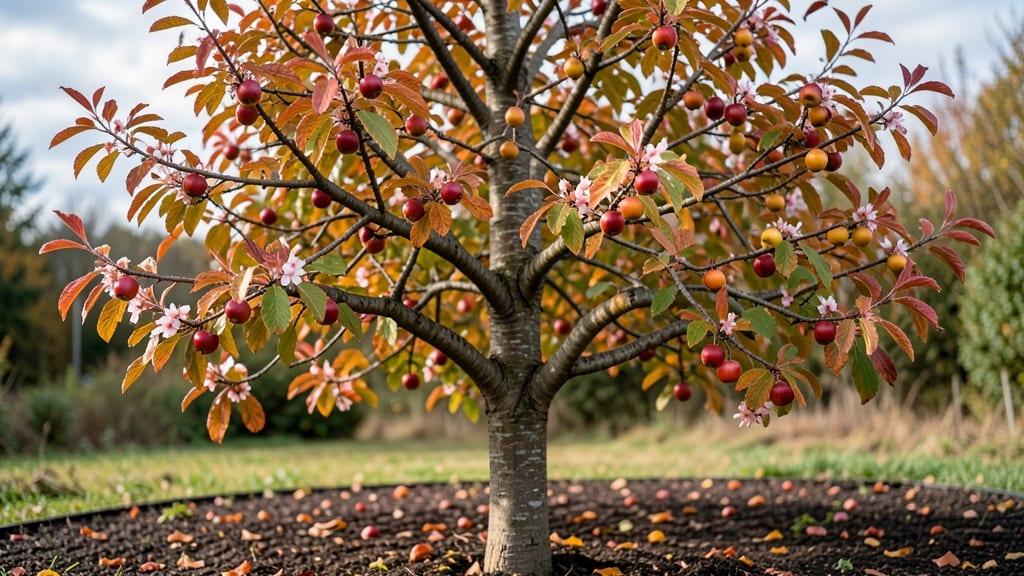
Fall pruning your crabapple tree unlocks next year’s showstopping blooms—before the first frost. ✂️ I’ve learned that dormant-season cuts shape stronger branches, prevent disease, and even improve fruit quality. The key is timing: prune after leaves drop but before winter’s deep freeze, when the tree’s energy shifts underground.
Start with clean tools—sharp pruners and rubbing alcohol—to avoid spreading bacteria. Remove dead, crossing, or weak branches first, then thin the canopy by 20% to boost airflow. Every cut you make now sets the stage for healthier growth and more abundant spring flowers.
You’ll notice fewer broken branches in storms, fewer pests hiding in dense foliage, and a tree that wakes up in spring ready to shine. The best part? Fall pruning takes just 30 minutes once you know what to look for.
Works for any crabapple variety, from dwarf Malus to standard-sized trees. Here’s how to do it right—without the guesswork.
📚 In This Guide
- What you need
- Instructions
- Tips and common mistakes
- Wrapping up and next steps
What you need
- ● Pruning shears (bypass or anvil type): Sharp, disinfected blades (10-12" for small branches). Pro tip: Replace blades if dull!
- ● Loppers: 16-24" with bypass blades for thicker branches (up to 2" diameter).
- ● Pruning saw: Curved-tooth for clean cuts on branches 2-4" thick.
- ○ Extension pole pruners: 6-12' pole with shears for high branches (optional but handy!).
- ● Work gloves: Heavy-duty, cut-resistant for protection.
- ● Safety glasses: ANSI-rated for debris protection.
- ● Ladder (if needed): Sturdy, non-slip (e.g., aluminum or fiberglass), rated for your tree’s height.
- ● Disinfectant (70% isopropyl alcohol or bleach solution): 1 part bleach to 9 parts water for sterilizing tools.
- ○ Pruning sealant (optional but recommended): Tree wound dressing for cuts > ½" diameter (e.g., Tanglefoot Tree Wound Pruning Seal).
- ● Heavy-duty trash bags: 30+ gallon for collecting debris.
- ● Rake or tarp: For clearing fallen leaves/branches post-pruning.
- ● Pruning paint: For sealing larger cuts (e.g., copper-based or tree-specific paint).
- ● Marking spray (white or pink): To tag branches for removal.
- ● Knee pads: For comfort during ground-level pruning.
- ● First-aid kit: In case of minor cuts or scrapes.
- ● Camera or sketchpad: To document the tree’s structure before/after pruning.
Step-by-Step guide to pruning crabapple trees in fall
Fall’s crisp air is the perfect time to shape your crabapple tree—here’s how to prune for vibrant spring blooms.
✂️ Step 1: Assess the Tree for Dead and Damaged Branches
Start by examining the entire tree, looking for branches that are dead (no leaves, brown bark), broken (split or hanging), or diseased (mushroom growth, oozing sap). These are the first to go—they drain energy from healthy growth. Use your hands to gently bend smaller branches; if they snap back stiffly, they’re dead.
I like to work in sections, moving clockwise around the tree. Mark branches to remove with a piece of twine or flagging tape so you don’t miss any. This step is critical—removing deadwood now prevents pests from overwintering in the tree. Look for cankers (sunken, discolored areas) on larger branches; these are signs of disease and should be pruned out completely.
✂️ Step 2: Remove Crossing and Rubbing Branches
Next, identify branches that cross or rub against each other—these create wounds where disease can enter. Focus on branches that grow inward toward the center of the tree, as they block light and air circulation. Use your pruners to cut these at their base, making a clean cut just outside the branch collar (the swollen area where the branch meets the trunk).
For thicker branches, I step back and visualize the tree’s natural shape. Aim to create an open center with branches spaced evenly around the trunk. This isn’t just about aesthetics—it’s about airflow. Poor airflow leads to fungal issues like apple scab, which loves the damp conditions of a crowded canopy.
✂️ Step 3: Thin Out Overcrowded Branches
Now, focus on thinning the canopy to improve light penetration. Remove about 20-25% of the tree’s branches, prioritizing those that grow too close together or upward instead of outward. Cut branches back to a lateral branch or bud, making sure the cut is just above it at a slight angle. This encourages new growth in the right direction.
Watch for branches that grow straight up—they’re called “water sprouts” and compete with flowering branches for energy. These should be removed entirely. You’ll notice the tree’s structure becoming more balanced as you work. A well-thinned crabapple tree will have fewer but stronger blooms in spring.
✂️ Step 4: Shape the Tree for Balance and Form
Step back and assess the tree’s overall shape. Crabapple trees benefit from a slightly rounded, vase-like form. Prune to maintain this shape, cutting back branches that disrupt the natural outline. Avoid heavy pruning on one side—this creates an uneven silhouette. For larger branches, use three cuts: the first to undercut, the second to make the final cut, and the third to clean up.
Here’s the thing—crabapple trees bloom on old wood, so avoid heavy pruning in late winter or early spring. Fall is ideal because the tree can heal before dormancy sets in. If you’re unsure about a cut, hold your hand above the branch and visualize how it will affect the tree’s balance. Trust your eye—over-pruning weakens the tree.
⏰ Step 5: Clean Up and Apply Protective Measures
After pruning, gather all clippings and dispose of them in a sealed bag or burn them—this prevents disease from spreading. Sterilize your pruners with rubbing alcohol between cuts on different branches to avoid cross-contamination. Now’s also the time to apply dormant oil spray if you’ve noticed pests like scale or aphids.
Finally, water the base of the tree deeply to help it recover. Mulch around the drip line (the edge of the tree’s canopy) with 2-3 inches of organic mulch, keeping it a few inches away from the trunk. This protects the roots from winter cold and retains moisture. Your tree is now ready for winter—stronger and set up for stunning spring blooms.
Tips & tricks for perfect crabapple tree fall pruning
Fall pruning sets the stage for next year's spectacular blooms—these insights will help you prune like a seasoned arborist.
Branch Assessment Insight: In Step 1, when checking for dead branches, look for bark that peels easily or branches that crumble when touched. Healthy branches should bend slightly before snapping back. I've learned to use a small flashlight to inspect the underside of branches—hidden cankers often appear there first. This thorough check prevents disease from spreading unseen.
Cutting Technique: For Step 2 and Step 3, master the three-cut method for branches thicker than 2 inches. First, make an undercut 1-2 inches out from the trunk, then cut through from the top side. Finally, clean up any jagged edges. This prevents tearing the branch collar, where the tree's healing tissues form. I've seen too many pruning wounds fail to heal because of improper cutting angles.
Seasonal Timing Wisdom: Fall pruning works because the tree enters dormancy with fresh cuts that won't bleed sap. The cooler temperatures also reduce stress on the tree compared to summer pruning. Just avoid pruning after the first hard frost—new growth can't harden off properly. I've found October to early November offers the perfect balance of warm days and cool nights for optimal healing.
Equipment Upgrade: Invest in sharp bypass pruners for clean cuts and a folding saw for thicker branches. Disposable pruning sealant isn't necessary for crabapples—proper cuts at the branch collar heal better naturally. I keep rubbing alcohol and a small brush in my pruning kit to clean tools between cuts, which prevents disease transmission between branches.
Pro Tips for Crabapple Tree Fall
- Fall pruning sets the stage for next year's spectacular blooms—these insights will help you prune like a seasoned arborist.
- Branch Assessment Insight: In Step 1, when checking for dead branches, look for bark that peels easily or branches that crumble when touched.
- Cutting Technique: For Step 2 and Step 3, master the three-cut method for branches thicker than 2 inches.
Frequently asked questions
Got questions about crabapple tree fall pruning? You’re not alone! Here are answers to the most common concerns—so you can tackle your tree with confidence and ease.
When is the exact best time to prune a crabapple tree in fall?
The ideal window is late fall (November–early December), after leaves drop but before hard freezes. Pruning too early risks pest infestations, while waiting too long may stress the tree. Aim for dormant season when the tree’s energy is conserved but still responsive.
Can I prune a crabapple tree in fall if it’s already been pruned in summer?
Yes! Light fall maintenance pruning (removing dead/diseased branches) is fine, but avoid heavy cuts. Summer pruning (if done correctly) can stimulate new growth—so fall is your chance to refine shape and prep for spring blooms. Just skip major structural work.
Will fall pruning attract pests or diseases to my crabapple tree?
Pruning in fall can invite pests if timing or tools are off, but you can minimize risks! Sterilize cuts with 70% isopropyl alcohol, avoid pruning during wet weather, and seal larger wounds with pruning sealant. Healthy trees handle stress better—so prioritize clean cuts over aggressive trimming.
What if my crabapple tree doesn’t bloom well after fall pruning?
Bloom issues often stem from over-pruning or cutting back too late. Focus on removing only 10–20% of the canopy, avoid "topping," and never cut into old wood (which holds flower buds). If blooms are sparse, check for sunlight exposure—crabapples thrive in full sun (6+ hours/day).
Are there any “no-prune” fall scenarios for crabapple trees?
Skip fall pruning if your tree is stressed (wilting, pest-ridden, or recovering from summer drought). Also, avoid pruning if freezing temps (below 20°F/-7°C) are forecast within 48 hours. When in doubt, wait until early spring (just before buds swell) for safer trimming.
Wrapping up and next steps
Pruning your crabapple tree during the dormant season is a game-changer for vibrant spring blooms and long-term health! By following the right techniques—like removing dead wood, thinning branches, and shaping strategically—you’re setting the stage for a stunning, resilient tree. 🌳✨
Ready to take action? Grab your pruners and start now! Even small steps make a difference—so pick a calm day, follow the tips we shared, and watch your crabapple thrive next season. Happy pruning!