
Pruning
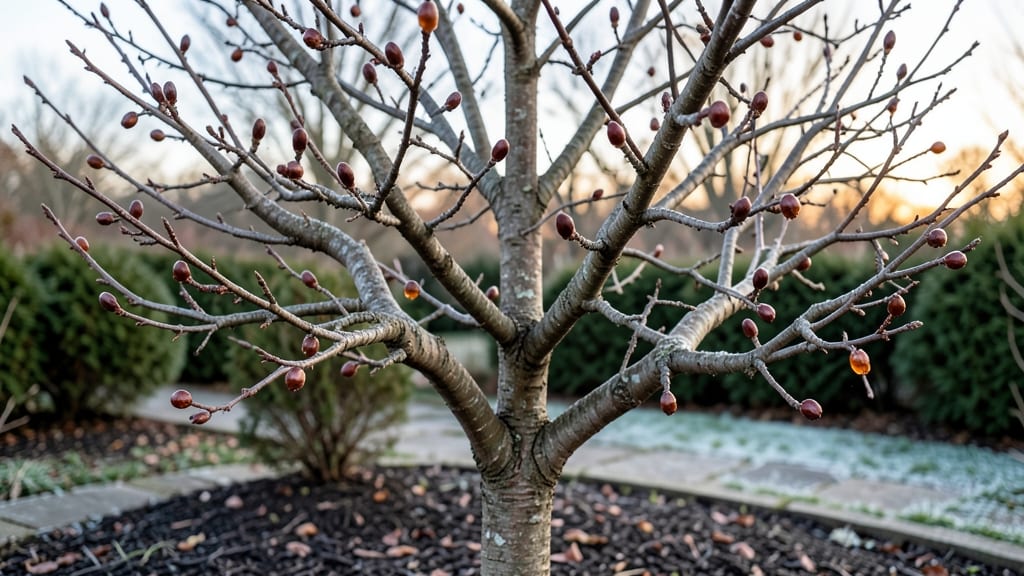
That late-winter pruning is the key to your flowering crabapple tree’s springtime show—when done right, you’ll see three times more blooms next season. ✂️ I’ve watched my tree go from sparse, leggy branches to a dramatic canopy of pink and white blossoms just by timing the cuts correctly.
The secret isn’t just when you prune, but how you shape the tree while it’s still dormant—before new growth starts. Winter’s dormancy is your ally here. The tree’s energy is stored, so cuts heal faster and you won’t trigger pest infestations.
Focus on removing dead wood, crossing branches, and thinning out crowded spots to let light and air circulate. A good rule of thumb: never cut more than one-third of the tree’s canopy at once, or you’ll shock it before spring arrives.
What you’ll end up with is a tree that bursts into color earlier and stays healthier year-round. The berries that follow will be plumper, the bark’s texture more dramatic, and next winter’s pruning even easier.
Even in harsh climates, this method keeps your tree thriving—just time it right for your zone. Works for any mature flowering crabapple, whether you’re dealing with pests, storm damage, or just wanting to refresh its shape. Here’s exactly how to do it without a single mistake.
📚 In This Guide
- What you need
- Instructions
- Tips and common mistakes
- Wrapping up and next steps
What you need
- ● Pruning shears (bypass or anvil type) – Sharp, clean, and sized for small to medium branches (6–8 inches).
- ● Loppers – For thicker branches (up to 2 inches in diameter).
- ● Pruning saw – For branches larger than 2 inches (with a fine-tooth blade for clean cuts).
- ● Gloves (heavy-duty, cut-resistant) – Protects hands from thorns and rough bark.
- ○ Disposable pruning bags or bucket – For collecting debris (optional but handy!).
- ● Rubbing alcohol (70% or higher) – 1 small bottle to sterilize tools between cuts.
- ○ Pruning sealant (optional) – For larger cuts to prevent disease (e.g., tree wound paint).
- ● Ladder (if needed) – Sturdy, extendable ladder for higher branches (ensure it’s rated for your weight + tools).
- ● Safety gear – Safety glasses and long sleeves to protect from debris.
- ● Weather check – Prune on a dry, calm day (avoid frost or rain within 24 hours).
- ● Tree health assessment – Inspect for dead, diseased, or crossing branches before pruning.
- ○ Sketch or plan (optional) – A quick sketch of the tree’s structure to visualize cuts.
- ● Clean workspace – Clear the area below the tree of rocks, mulch, or obstacles.
Step-by-Step guide to pruning flowering crabapple trees in winter
Winter’s dormancy is the perfect time to shape your crabapple tree for stunning spring blooms.
✂️ Step 1: Gather the Right Tools for Clean Cuts
Start with a sharp pair of bypass pruning shears for branches under ½ inch thick—dull blades tear wood, inviting disease. For thicker branches, use a pruning saw with a fine-tooth blade to avoid splintering. Disinfect tools with 70% rubbing alcohol between cuts to prevent spreading fungal spores. I always carry a small bucket of soapy water to clean tools as I go.
Wear gloves to protect against thorns and a hard hat if your tree is tall—those branches can whip unexpectedly. A ladder rated for your tree’s height is non-negotiable for safety. I mark my cuts with a permanent marker on the branch before climbing so I don’t lose track of my plan halfway up.
🌿 Step 2: Remove Dead, Diseased, or Crossing Branches First
Scan the tree for dead wood (branches that snap when bent or have no green bark) and diseased branches (mushrooms growing at the base or oozing sap). Cut these out completely—no exceptions. Next, look for crossing branches rubbing against each other; these create wounds that invite pests. Remove the smaller of the two, cutting back to the branch collar (the swollen area where the branch meets the trunk).
Watch for water sprouts—those fast-growing, vertical shoots that steal energy from blossoms. Snip them off at the base. I like to step back every few cuts to visualize the tree’s shape. If a branch grows straight upward, it’s likely competing with the leader (main trunk) and should go too.
☀️ Step 3: Thin the Canopy for Better Airflow and Light
Flowering crabapples need sunlight to reach all branches for maximum blooms, so aim to thin the canopy by 20-30% total. Focus on removing branches that grow inward or downward—they block light and create dense, disease-prone clusters. Cut these back to a side branch or the trunk, never leaving a stub.
Look for suckers (shoots growing from the base or graft union) and remove them entirely. These drain energy from your tree’s blossoms. I use the "one-third rule" for thinning: never remove more than one-third of the tree’s branches in a single year. This prevents shock and keeps your tree healthy for spring.
⏰ Step 4: Shape for Balance and Future Growth
Step back and assess the tree’s natural shape. Flowering crabapples have a beautiful, rounded form—let that guide your cuts. If one side is heavier, remove a few branches from that side to restore balance. For young trees, focus on establishing a strong scaffold (main branches) by pruning competing vertical growth.
Leave some smaller branches—they’ll produce the most flowers. I avoid "lion’s tailing" (cutting all small branches), as this reduces next year’s blossoms. Instead, I prune to open the center just enough for sunlight and air to circulate. Finish by cleaning up all debris from the ground to prevent fungal growth.
Tips & tricks for perfect winter pruning of flowering crabapple trees
Winter's quiet season holds the key to next year's spectacular blooms—here's how to make every cut count for your crabapple's future.
Tool Prep is Non-Negotiable: I can't stress enough how critical it is to disinfect your tools between every cut in Step 1. That 70% rubbing alcohol isn't just about cleanliness—it's your first line of defense against fungal infections that could ruin your tree's spring performance. I've seen beautiful crabapples lost to fungal spread because pruners weren't properly sanitized. Pro tip: Keep your soapy water bucket handy and clean blades after every 5 cuts, especially when working with diseased branches.
The Branch Collar Rule: When removing crossing branches in Step 2, always cut back to the branch collar—the swollen area where the branch meets the trunk. This might seem like a small detail, but cutting too close to the trunk creates wounds that never properly heal, leaving your tree vulnerable to infections. I've made this mistake before and watched those cuts develop cankers over time. The collar contains healing tissues that help the wound close naturally. If you're unsure where the collar is, look for that slight swelling just above where the branch joins the trunk.
Visualizing the Canopy: Before making any cuts in Step 3, step back and mentally divide your tree into four quadrants. This helps you see the overall shape and identify which branches are truly blocking light. I've found that removing just 20-30% of the canopy opens up the tree dramatically. Focus on branches growing inward or downward—they're the ones creating that dense, disease-prone center. Remember, you're not trying to create a bare skeleton, just a more open structure that lets sunlight reach all the way to the center where most of the flowers will form.
Seasonal Timing Matters: While winter is ideal for pruning, there's actually a perfect window within that season. Aim to prune on a day when temperatures are above freezing but below 45°F. This prevents stress on the tree and minimizes sap flow. I've noticed that pruning on warmer winter days (like those sudden thaws) results in less bleeding from the cuts. If you must prune in colder weather, wait until the sun is out—cold metal tools can damage the bark, creating entry points for diseases.
Pro Tips for Flowering Crabapple Tree In Winter
- Winter's quiet season holds the key to next year's spectacular blooms—here's how to make every cut count for your crabapple's future.
- Tool Prep is Non-Negotiable: I can't stress enough how critical it is to disinfect your tools between every cut in Step 1.
- The Branch Collar Rule: When removing crossing branches in Step 2, always cut back to the branch collar—the swollen area where the branch meets the trunk.
Frequently asked questions
Got questions about keeping your flowering crabapple tree stunning in winter? You’re not alone! Here are answers to the most common queries to help you prune with confidence and set the stage for breathtaking spring blooms.
When is the best time to prune a flowering crabapple tree in winter?
The ideal window is late winter—specifically after the last frost but before buds swell (typically February to early March in most climates). This timing minimizes stress on the tree and prevents disease spread, while still allowing you to shape it for spring’s showstopper blooms. Pro tip: Check your local frost dates to avoid pruning too early!
Can I prune a flowering crabapple tree in freezing temperatures?
Pruning in freezing temps (below 40°F/4°C) can harm the tree by causing shock or splitting branches. Aim for cool but thawed conditions (above 40°F/4°C) when branches are flexible, not brittle. If you must prune in cold weather, do so on a mild day after a warm spell to reduce stress.
How much can I trim back a flowering crabapple tree in winter?
For healthy growth, limit pruning to no more than 25% of the tree’s canopy per year. Focus on removing:
- Dead, diseased, or crossing branches
- Suckers or water sprouts (vigorous vertical shoots)
- Branches growing inward or rubbing against others
What if my flowering crabapple tree has no flowers after pruning?
Don’t panic! Flowers form on old wood, so aggressive summer pruning (or cutting back too much in winter) can delay blooms. If your tree is young (<5 years), give it time—it may need 1–2 seasons to recover. For older trees, check for:
If you love winter interest but want low-maintenance options, consider these cold-resistant alternatives:
If issues persist, consult a local arborist.
Are there winter-hardy alternatives to flowering crabapple trees?
Tree
Winter Features
Pruning Needs
Serviceberry (Amelanchier)
White spring blooms, edible berries, and stunning fall color
Light pruning to open canopy; tolerates heavy pruning
Winter King Hawthorn (Crataegus)
Spiny branches add texture; red berries persist into winter
Minimal pruning; shape after flowering
Dwarf Korean Lilac (Syringa meyeri)
Fragrant spring blooms; compact size (6–10 ft)
Prune immediately after flowering to maintain shape
Wrapping up and next steps
Winter is the perfect time to unlock the full potential of your flowering crabapple tree—and with the right pruning techniques, you’re setting the stage for a dazzling spring display! 🌸 By removing dead wood, shaping for balance, and encouraging vibrant blooms, you’re not just maintaining your tree—you’re nurturing its beauty.
So grab those pruners, take a deep breath of that crisp winter air, and get ready to transform your outdoor space into a future floral masterpiece.
Ready to dive in? Start by marking your calendar for late winter (just before buds swell) and gather your tools—your tree’s springtime show is waiting for your expert touch! 🌿