
Pruning
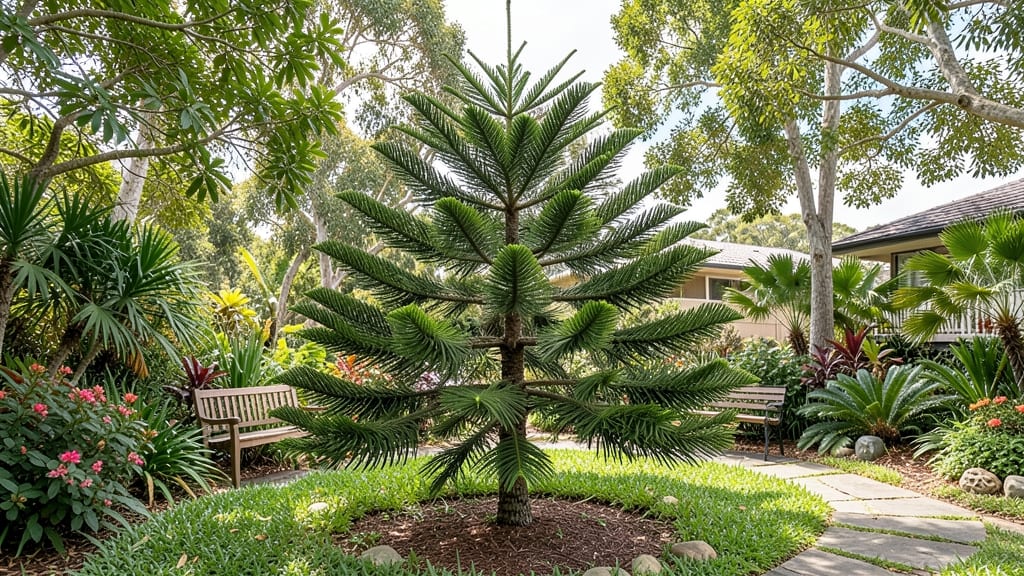
A Christmas tree in a flower pot turns your porch into a year-round showstopper with just a few smart choices. 🌲 The Norfolk Island pine or dwarf Alberta spruce stays lush indoors or out, while Amelanchier's spring blossoms and fall color keep it interesting beyond December.
I've kept mine thriving for five winters now—no holiday stress, just evergreen elegance.
Start with a container at least 12-18 inches wide (deeper for taproots) and drainage holes—no soggy roots here. Use lightweight potting mix with perlite, and pick a species that fits your space: dwarf conifers for small pots, or Amelanchier's multi-season interest for larger containers.
My 15-gallon pot handles both winter greens and summer blooms without fuss.
You'll love how the tree stays green through holidays and beyond, with minimal pruning needed. Wrap it in fairy lights for winter charm or let it grow wild with seasonal flowers tucked around the base.
The best part? It's low-maintenance—water when the top inch feels dry, and fertilize lightly in spring and summer.
Works equally well on patios, doorsteps, or as a centerpiece for outdoor dining. For small spaces, choose dwarf varieties—just ensure they get enough light. Here's how to make it work year after year without the holiday hassle.
📚 In This Guide
- What you need
- Instructions
- Tips and common mistakes
- Wrapping up and next steps
What you need
- ● Flower pot – At least 12–18 inches in diameter and 12–16 inches deep (terracotta, ceramic, or plastic). Ensure it has drainage holes!
- ● Potting mix – Well-draining, acidic soil (e.g., pine bark mix or peat-based soil for evergreen trees). 1–2 bags (3–5 cubic feet) depending on pot size.
- ● Christmas tree sapling – Choose a dwarf or slow-growing variety (e.g., Norway Spruce, Fraser Fir, or Colorado Blue Spruce). 1–2 plants (for single or double-trunk effect).
- ● Slow-release fertilizer – Balanced, 10-10-10 or 12-4-8 formula (follow package instructions for dosage).
- ● Garden trowel or shovel – For planting and soil prep.
- ● Pruning shears – Sharp, sterilized shears (for shaping and minimal pruning).
- ○ Mulch (optional) – Pine straw or wood chips to retain moisture and mimic natural forest floor.
- ○ Decorative elements (optional) – Miniature ornaments, fairy lights, or pebbles for a festive touch.
- ● ✅ Sunlight access – Ensure your pot gets partial shade to full sun (6+ hours/day for most varieties).
- ● ✅ Watering routine – Commit to weekly deep watering (check soil moisture; pots dry out faster!).
- ● ✅ Patience – Dwarf trees grow 6–12 inches per year—plan for long-term care!
Step-by-step instructions for growing a Christmas tree in a flower pot
Transform your patio into a year-round winter wonderland with a potted Christmas tree that thrives indoors and out.
🌱 Step 1: Choose the Right Tree and Pot for Long-Term Success
Select a dwarf variety like Fraser fir, Nordmann fir, or Colorado blue spruce—they handle container life best. Your 15-20 gallon pot should have drainage holes and be at least 24 inches deep to accommodate roots. I always opt for unglazed ceramic because it breathes and prevents root rot better than plastic.
Fill the pot with 6 gallons of well-draining potting mix (never garden soil—it compacts too much). Mix in 1 cup of slow-release fertilizer at planting to give your tree a nutrient boost. The first few years are critical for root establishment, so don't skimp on pot size. A tree in too-small a container will stress quickly, dropping needles and looking sad by December.
🪴 Step 2: Plant and Water for Immediate Stability
Dig a hole in the center of the pot twice as wide as the root ball but no deeper. Gently remove your tree from its nursery pot and loosen any circling roots with your fingers. Place it in the hole so the top of the root ball sits 1 inch below the pot rim—this prevents soil erosion and gives you room to add mulch later.
Backfill with potting mix, pressing lightly to eliminate air pockets. Water deeply until it drains from the bottom, then let it sit for 10 minutes before adding a 2-inch layer of pine bark mulch on top. This keeps moisture in and weeds out. Your tree will need 1-2 gallons of water weekly (more in summer), but check the soil first—it's dry when the top 2 inches feel like a dry sponge.
☀️ Step 3: Position for Year-Round Health
Place your potted tree where it gets 4-6 hours of morning sun and afternoon shade—too much direct afternoon sun scorches needles. If you're in a hot climate, move it to a shadier spot during summer months. I always keep mine on a dappled patio where it gets filtered light, and it stays lush all year.
Rotate the pot a quarter turn every 2 weeks so the tree grows evenly. You'll notice one side leaning toward the light? That's your cue to move it. Avoid drafty spots near doors or AC vents—temperature swings cause needle drop. Aim for 60-75°F year-round, and you'll have a healthy, full tree every holiday season.
✂️ Step 4: Prune Strategically for Shape and Health
Prune only in late winter or early spring when the tree is dormant. Use clean, sharp bypass pruners to remove dead branches or those growing inward. Cut just above a healthy bud or outward-facing branch to encourage fuller growth. Never remove more than 10% of the tree's foliage at once—this stresses the tree and can lead to needle loss.
For shaping, focus on removing only the tips of branches that spoil the silhouette. I like to give mine a natural, slightly tapered look by trimming the bottom branches slightly shorter than the top ones. This mimics how trees grow in nature and keeps the tree looking full from all angles. After pruning, give it a light fertilizer to recover.
💧 Step 5: Winterize for Holiday Readiness
Starting in October, reduce watering slightly—your tree will need less as temperatures drop. Move it to a protected spot (like a covered porch or garage) if nighttime temps fall below 30°F. A breathable burlap wrap around the pot helps insulate roots. I always check the soil in December—if it's dry, I water lightly, but I avoid soggy roots during winter.
By mid-December, your tree will be full and fragrant, ready for decorations. If you bring it indoors, do it gradually over 2-3 days to avoid temperature shock. Keep it in a cool room (like a garage or basement) when not in use, and water only when the soil is completely dry. With this care, your potted Christmas tree will be a centerpiece for years to come—no replanting needed!
Tips & tricks for perfect potted Christmas trees
Here's what nobody tells you about keeping your container-grown evergreen thriving year after year.
Pot Selection Matters: While unglazed ceramic is ideal, you can also use heavy plastic or fiberglass pots with drainage holes. Avoid metal containers—they conduct heat and can scorch roots, especially in afternoon sun. If using plastic, add a layer of landscape fabric at the bottom to prevent soil from clogging drainage holes over time. The pot's depth is more important than its diameter, so prioritize that 24-inch minimum height for proper root growth.
Root Health Is Everything: In Step 2, when you're loosening circling roots, don't go overboard—just gently separate them with your fingers. Over-pruning roots can shock the tree. After planting, I like to add a handful of perlite to the potting mix for better aeration. This helps prevent that dreaded root rot while keeping moisture levels just right. Remember, those 10 minutes after watering let excess moisture drain completely—don't skip this!
Light Positioning Secrets: The 4-6 hours of morning sun is non-negotiable, but here's the trick: if your tree starts leaning toward the light, rotate it a quarter turn every 2 weeks (as mentioned) AND move it slightly closer to the light source. Trees grow toward their primary light source, so you're essentially guiding their growth pattern. In summer, if you notice needle burn from afternoon sun, create shade with a sheer fabric screen rather than moving it completely—trees hate sudden light changes.
Winter Care That Makes All the Difference: When temperatures drop below 30°F, I don't just move my tree—I also elevate it slightly on pot feet or bricks. This prevents cold air from pooling at the bottom where roots are most vulnerable. The burlap wrap should be breathable but snug enough to trap some heat. Pro tip: Check the soil temperature with your finger—if it feels cold to the touch, it's time to move your tree to a more protected spot.
Pro Tips for Christmas Tree In Flower Pot
- Here's what nobody tells you about keeping your container-grown evergreen thriving year after year.
- Pot Selection Matters: While unglazed ceramic is ideal, you can also use heavy plastic or fiberglass pots with drainage holes.
- Root Health Is Everything: In Step 2, when you're loosening circling roots, don't go overboard—just gently separate them with your fingers.
Frequently asked questions
Got questions about keeping a Christmas tree in a flower pot? You’re not alone! Here are answers to the most common queries to help you create a stunning, low-maintenance centerpiece that lasts beyond the holidays.
Can I keep a Christmas tree in a pot year-round, or should I plant it outside after the holidays?
A Christmas tree can thrive in a pot year-round if you choose the right species (like a Norfolk Island pine or dwarf Alberta spruce) and provide proper care. However, most traditional Christmas trees (e.g., Fraser firs) are not suited for long-term potted life—they’re bred for cut-season growth. If you opt for a potted tree, ensure it has drainage holes and use a well-draining soil mix to prevent root rot.
When is the best time to prune a potted Christmas tree to encourage fuller growth?
Prune your potted tree right after the holidays (January–February) while it’s still dormant. Focus on shaping by trimming back overgrown branches by ⅓ to encourage bushier growth. Avoid heavy pruning in late summer or fall, as this can stress the tree before winter. Use clean, sharp pruners to make cuts just above a leaf node for the best results.
How often should I water a Christmas tree in a flower pot, and what are the signs of over/under-watering?
Water your potted tree when the top 1–2 inches of soil feel dry (usually every 7–10 days, depending on climate). Overwatering leads to yellowing needles and root rot, while underwatering causes dry, crispy tips. Pro tip: Use a moisture meter or the "finger test" to check soil dampness. Ensure the pot has drainage holes to prevent soggy roots!
What are some low-maintenance alternatives to a traditional Christmas tree in a pot?
If you want a festive, potted focal point without the upkeep, consider these options:
- Dwarf conifers (e.g., Blue Star juniper or Mugo pine): Hardy, slow-growing, and perfect for containers.
- Ornamental grasses (like Pennisetum): Add texture and movement with minimal pruning.
- Evergreen shrubs (e.g., Boxwood or Holly): Provide year-round greenery and holiday charm.
- Artificial trees in decorative pots: Zero maintenance and reusable for decades!
How do I protect a potted Christmas tree from winter damage?
Move your potted tree to a sheltered location (like a garage or under an eave) before the first frost. If outdoors, wrap the pot in burlap and mulch the soil to insulate roots. Avoid placing it near salt-sprayed roads or extreme cold snaps. Indoor trees? Keep them away from drafts, heat vents, or direct sunlight, which can dry them out.
Wrapping up and next steps
Transforming your Christmas tree into a year-round flower pot centerpiece is simpler—and more rewarding—than you think! With minimal pruning, a little creativity, and the right care, you can enjoy its lush greenery well beyond the holidays.
Whether you’re reviving a living tree or styling a pre-loved one, this project adds charm to any space while keeping maintenance low.
Ready to give it a try? Start small: Pick a pot, gather your tools, and take it step by step. Your future self—and your home’s curb appeal—will thank you! 🌲✨