
Pruning
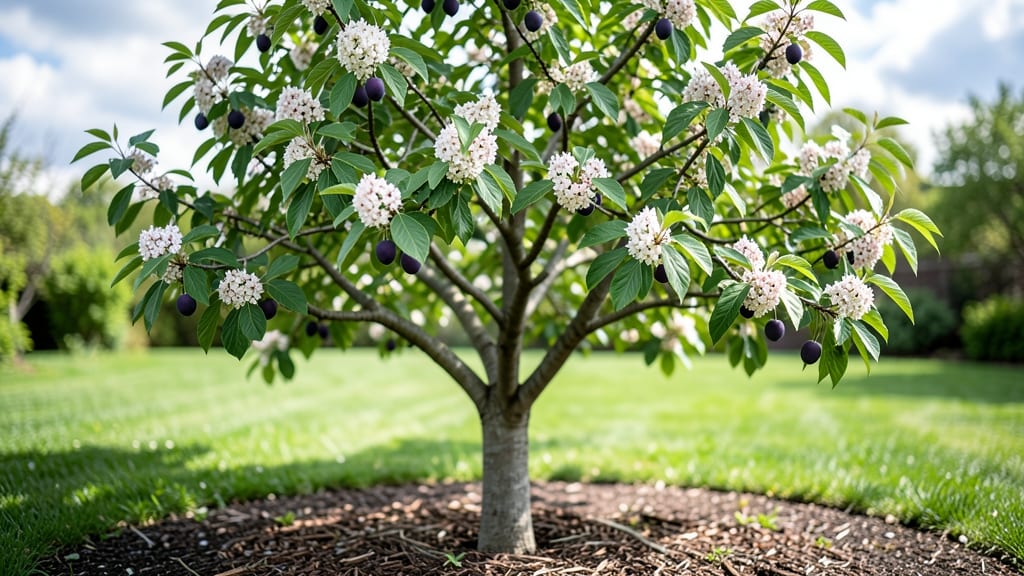
Your Chickasaw plum tree in Florida could be producing fruit year-round with the right pruning. ✂️ I’ve learned that Florida’s heat and humidity demand a different approach—cutting at the wrong time or too aggressively turns a productive tree into a struggling one.
The key is timing: prune in late winter when the tree is dormant but before spring growth kicks in.
Start by removing dead, diseased, or crossing branches—these steal energy from fruit production. Thin out crowded areas to improve airflow, which cuts down on fungal issues common in Florida’s damp climate.
I’ve seen trees go from sparse harvests to bursting with plums just by opening up the canopy. Use sharp pruners and make clean cuts just above outward-facing buds.
You’ll notice new growth within 4-6 weeks, and by summer, your tree will be lush and heavy with fruit. The secret? Light pruning in summer to shape the tree and remove any suckers at the base.
This keeps the tree focused on producing plums instead of wild growth. Florida’s heat means watering matters too—deep watering once a week keeps roots happy without drowning them.
For extra productivity, fertilize in early spring with a balanced 10-10-10 mix. The Chickasaw plum thrives in Florida’s sandy soil, but a little organic matter mixed in at planting helps it establish faster.
Pair it with native companions like yaupon holly or muhly grass to create a low-maintenance, high-reward landscape. Now, let’s get that tree in shape!
📚 In This Guide
- What you need
- Instructions
- Tips and common mistakes
- Wrapping up and next steps
What you need
- ● Pruning shears: Sharp, bypass-style shears (for cuts up to ½ inch thick). Example: Felco F-2 or similar.
- ● Loppers: 1 pair (for cuts ½ to 2 inches thick). Look for: Long handles (30+ inches) for reach.
- ● Pruning saw: 1 curved-tooth saw (for branches 2+ inches thick). Tip: Oil the blade for smoother cuts!
- ● Gloves: Heavy-duty, cut-resistant gloves (e.g., Mechanix or similar) to protect hands from thorns and debris.
- ● Disinfectant: 70% isopropyl alcohol or a 10% bleach solution (1 part bleach to 9 parts water) to sterilize tools between cuts.
- ○ Pruning sealant: Optional but helpful for large cuts (e.g., Tree Wound Pruning Seal to prevent disease).
- ● Ladder or step stool: Sturdy, extension ladder (20+ feet) or a stable step stool (if tree is Safety first!
- ● Heavy-duty trash bags: 2–3 bags (20–30 gallon size) for collecting pruned branches and debris.
- ● Safety gear: Safety glasses or goggles
- ● Long sleeves/pants (to protect from thorns)
- ● Closed-toe shoes or boots
- ● Best time to prune: Late winter to early spring (February–March in Florida) when the tree is dormant but before buds swell.
- ● Weather check: Prune on a dry, overcast day or early morning to avoid stressing the tree.
- ● Tree health assessment: Inspect the tree for diseased or dead branches (they’ll be brittle or discolored) before starting.
- ● Local regulations: Check with your county extension office for any pruning rules (especially if near power lines!).
- ○ Optional: Marking spray (e.g., paint or chalk) to tag branches for removal.
- ● Handheld vacuum (for collecting small debris without bending over).
Step-by-step guide to pruning your Chickasaw plum tree in Florida
Here’s how to keep your tree thriving year-round with simple, effective pruning techniques.
✂️ Step 1: Prune for Airflow and Light in Late Winter
Start your pruning in late winter (February), just as new growth begins. Remove any dead, diseased, or crossing branches first—these are easy to spot because they’re brown, brittle, or rubbing against others. I always cut these out first to prevent disease spread. Use clean, sharp pruners to make clean cuts at a 45-degree angle, about ¼ inch above an outward-facing bud.
Next, thin out the canopy by removing about 20% of the smallest branches—this opens up the center so sunlight reaches the core. Chickasaw plums hate shade, and poor light leads to weak fruit production. Watch for branches growing straight up; these compete with the main trunk and should be removed at the base. You’ll notice new buds forming along the remaining branches within 2-3 weeks—that’s your sign the tree is responding well.
🌿 Step 2: Shape and Encourage Fruit Production in Early Spring
Once the tree flowers in early spring (March), shift focus to shaping. Prune back any overly vigorous branches that grew last season—these often produce fewer fruits. Cut just above a leaf bud or fruit spur (small clusters of buds) to encourage new growth that will bear fruit. I like to leave 3-4 main scaffold branches evenly spaced around the trunk; this creates a balanced shape and maximizes sunlight exposure.
If you see water sprouts (fast-growing, vertical shoots), remove them entirely—they drain energy from fruit production. After pruning, give the tree a deep watering to help it recover. You’ll see the first signs of new leaves and fruit buds forming within 4-6 weeks, signaling the tree is ready for the next growth phase.
⏰ Step 3: Light Maintenance Pruning After Harvest
After the fruit harvest in late spring to early summer (May-June), do a quick check for any damaged or overcrowded branches. Remove any that are rubbing together or growing inward—they’ll compete for resources and reduce next year’s yield. I also trim back any suckers (shoots growing from the base) to keep energy focused on the main canopy. Use sterilized pruners to avoid introducing diseases like bacterial spot, which is common in Florida’s humid climate.
This is also the time to thin out excess fruit if needed—leave about 1 fruit per cluster to ensure they grow large and sweet. You’ll notice the tree’s overall structure looks more open and airy, which is key for preventing fungal issues. A light pruning now keeps the tree healthy through the hot Florida summers without stressing it.
🌱 Step 4: Minimal Pruning in Fall to Prepare for Winter
In fall (October-November), prune only if necessary—focus on removing any dead or diseased branches that may have appeared after the summer. Avoid heavy pruning now, as the tree needs energy to harden off for winter. If you see weak or leggy growth, trim back by ⅓ to encourage bushier, stronger branches for next year. Make cuts just above a bud, and always use clean tools to prevent infections.
This is also the time to mulch around the base (if you’re adding mulch) to protect roots from temperature swings. You’ll see the tree’s new growth slow down naturally as temperatures drop, but the structure you’ve maintained will ensure a strong start in spring. By winter, your Chickasaw plum will look well-balanced and ready to fruit again.
Tips & tricks for pruning your Chickasaw plum tree
Pruning your Chickasaw plum tree properly is the secret to a bountiful harvest and a healthy tree. Here's what I've learned after years of working with these Florida favorites.
Tool Prep: Before you start, sterilize your pruners with rubbing alcohol or a 10% bleach solution to prevent spreading diseases between cuts. I keep a small spray bottle of diluted bleach handy for quick sterilization between branches. This is especially important in Florida's humid climate where fungal spores thrive.
Timing Secret: The 2-3 week window mentioned for spring bud formation is your best indicator of success. If you're unsure about timing, look for these visual cues: new buds should be swollen but not yet opened. In Step 1, I can't stress enough how important it is to remove those vertical branches growing straight up—they're energy vampires that never produce fruit.
Fruit Production Strategy: When shaping in early spring (Step 2), focus on creating that open vase shape with 3-4 main scaffold branches. This isn't just about looks—it's about maximizing sunlight exposure to every part of the tree. I've seen trees with dense canopies produce 50% fewer plums because the inner branches never get enough light.
Post-Pruning Care: That deep watering after pruning in Step 2 is crucial, but don't stop there. For the next 2 weeks, give your tree 1-2 inches of water per week. The roots need to recover from the stress of pruning, and Florida's summer heat can dry out soil quickly. I always check the soil moisture by sticking my finger 2 inches deep—if it's dry, it's time to water.
Pro Tips for Chickasaw Plum Tree Florida
- Pruning your Chickasaw plum tree properly is the secret to a bountiful harvest and a healthy tree.
- Tool Prep: Before you start, sterilize your pruners with rubbing alcohol or a 10% bleach solution to prevent spreading diseases between cuts.
- Timing Secret: The 2-3 week window mentioned for spring bud formation is your best indicator of success.
Frequently asked questions
Got questions about pruning your Chickasaw plum tree in Florida? You’re not alone!
Here are some of the most common queries—plus quick, actionable answers to keep your tree thriving year-round.
When is the best time to prune a Chickasaw plum tree in Florida’s climate?
The ideal window is late winter to early spring (February–March), just before new growth begins. Avoid pruning during summer heat or winter freezes, as stress can weaken the tree. Florida’s mild winters may allow light pruning in December–January, but prioritize major cuts in early spring for optimal fruit production.
How much should I trim back my Chickasaw plum tree each year?
Aim to remove no more than 20–25% of the tree’s foliage per year to avoid shock. Focus on:
- Dead, diseased, or crossing branches ()
- Suckers at the base ()
- Overcrowded growth to improve airflow ()
My Chickasaw plum tree isn’t fruiting well after pruning—what’s wrong?
Common culprits include:
- Over-pruning (too aggressive cuts reduce flowering sites)
- Poor timing (pruning too late in spring delays fruit set)
- Nutrient deficiency (add compost or a balanced fertilizer post-prune)
- Pests/disease (check for aphids, scale, or fungal spots)
Can I grow a Chickasaw plum tree in containers, or does it need to be planted in the ground?
While Chickasaw plums prefer in-ground planting (they’re deep-rooted and drought-tolerant), you can grow them in large containers (20+ gallons) for 2–3 years. Use:
Pruning opens the canopy, letting sunlight reach flowering branches and making it easier for bees and butterflies to access nectar. Focus on:
Note: Container-grown trees may produce fewer fruits due to root restriction. Transplant to ground within 3 years for best results.
Will pruning my Chickasaw plum tree attract more pollinators?
Healthy, well-pruned trees bloom more vigorously, boosting pollinator visits—and your fruit yield!
Wrapping up and next steps
Growing a thriving Chickasaw plum tree in Florida is all about timing, technique, and a little patience—just like nurturing any prized plant! 🌿 With the right pruning schedule, you’ll enjoy lush foliage, bountiful fruit, and a tree that stands strong for years.
Whether you’re a seasoned gardener or just starting, your efforts will pay off in delicious rewards.
Ready to take the next step? Mark your calendar for your first pruning session—spring is your best friend! Grab your tools, follow your newfound knowledge, and watch your Chickasaw plum tree flourish. Happy pruning! 🌳✨