
Trees
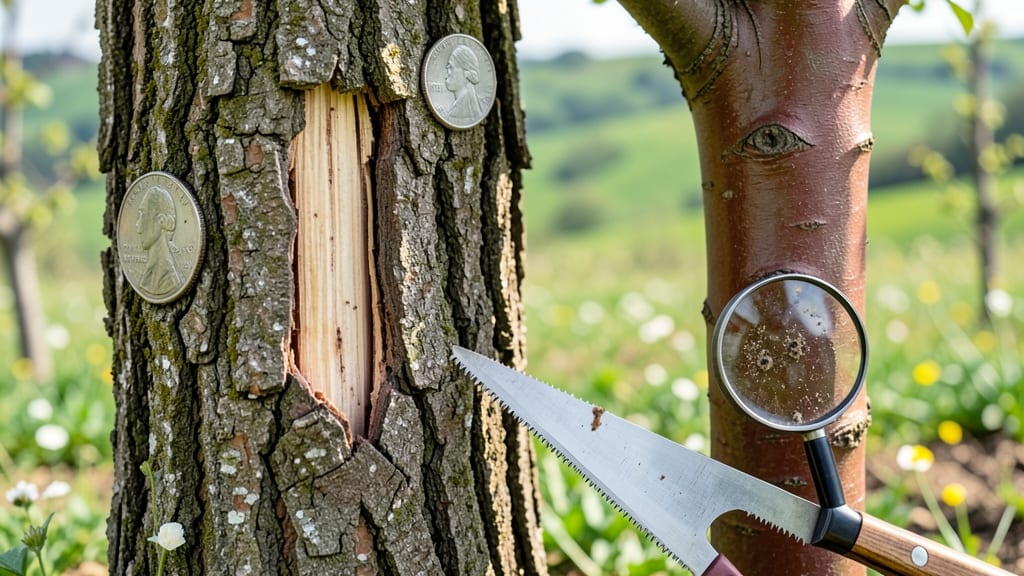
That jagged split in your cherry tree’s bark isn’t just unsightly—it’s an open wound begging for help. 🌳 Split bark exposes the tree to rot, pests, and disease, turning a beautiful spring bloom into a high-maintenance crisis.
The good news? You can stop the damage before it spreads, but timing and technique matter more than you’d think.
Most splits happen from frost cracks in winter or rapid growth stretching the bark beyond its limits. If the split is shallow (under ¼ inch), a simple sealant can buy time.
But deeper cracks? Those need pruning to remove damaged tissue and prevent further decay. I’ve seen trees recover completely when treated early—though some scars remain, the tree stays healthy.
Start by cleaning the crack with a sterilized knife, then apply a tree wound dressing or pruning sealant. For persistent issues, consider wrapping the trunk with protective tape to reduce stress. The key is acting fast: a split left untreated can kill a young tree in just one season.
Prevention is easier than repair—water consistently, mulch properly, and avoid over-pruning. If your tree is mature or the split is near a major branch, call an arborist. Some damage requires professional tools and expertise to handle safely. Your cherry tree’s future depends on how you respond now.
Root Causes Behind Bark Splits
Understanding why your cherry tree’s bark splits is the first step to saving it. These cracks aren’t just cosmetic—they expose the tree to pests, disease, and even structural damage. Below, we break down the key triggers behind split bark in cherry trees, backed by science and actionable insights.
Cherry trees thrive in moderation, but rapid temperature shifts—especially between freezing winters and scorching summers—can cause their bark to expand and contract unpredictably. Here’s how it happens:
- Winter Freeze-Thaw Cycles: When water trapped in the bark freezes, it expands by 9%, creating internal pressure.
Repeated cycles weaken the bark’s integrity, leading to vertical or horizontal splits (often called frost cracks). - Summer Heat Stress: Intense sun exposure dries out the bark, making it brittle.
When nighttime temperatures drop suddenly, the bark contracts sharply, exacerbating existing cracks. - Urban Heat Islands: Trees in cities or paved areas absorb and radiate heat, accelerating bark drying and increasing split risk.
💡 Pro Tip: Mulch around the base with 3–4 inches of organic material (like wood chips) to insulate roots and stabilize soil temperature. Avoid mulching too close to the trunk to prevent moisture buildup.
Improper watering is a top culprit for split bark. Cherry trees need consistent moisture, but too little or too much can trigger cracks:
- Drought Stress: When roots can’t absorb enough water, the tree compensates by over-expanding its bark to maximize surface area.
This leads to longitudinal splits (vertical cracks) as the bark stretches beyond its limits. - Overwatering: Excess moisture softens the bark, making it prone to splitting when it dries out.
Poor drainage or compacted soil worsens this by suffocating roots. - Sudden Water Changes: Alternating between drought and heavy watering (e.g., after a long dry spell) causes the bark to swell and shrink abruptly, creating weak points.
✨ Actionable Fix: Water deeply 1–2 times per week (depending on climate) during growing seasons, ensuring the soil is moist but not soggy. Use a soil moisture meter to monitor levels—aim for 40–60% moisture at 3–4 inches deep.
While not always obvious, mechanical forces can weaken bark over time, making it susceptible to splits:
- Wind Rub: Strong, persistent winds cause trunk and branch bark to scrape against rough surfaces (like other trees or structures).
This abrasion thins the bark, reducing its flexibility and leading to shallow or deep cracks. - Hail or Heavy Snow: Impact from hailstones or the weight of snow can compress the bark, creating stress points that split as the tree adjusts. - Improper Pruning: Cutting too close to the trunk or removing large branches abruptly can leave jagged wounds that don’t heal properly, increasing split risk.
🔧 Prevention Tip: Install tree guards or burlap wraps during storm seasons to shield the trunk. Prune in late winter/early spring (when the tree is dormant) and use clean, sharp tools to minimize damage.
Hidden invaders can compromise bark health from the inside out, making splits more likely:
- Bark Borers: Insects like shothole borers or flathead borers tunnel under the bark, creating galleries that weaken structural integrity.
As the tree fights the infestation, its bark may split to "seal" damaged areas. - Fungal Infections: Pathogens like canker diseases (e.g., Leucostoma or Nectria) rot the bark, causing it to pucker, crack, or peel away in patches. - Root Rot: Fungal infections (e.g., Armillaria or Phytophthora) at the roots starve the tree of nutrients, leading to weak, brittle bark that’s prone to splitting.
🛡️ Defense Strategy: Inspect your tree annually for sawdust-like frass (borer sign) or oozing sap (fungal activity). Treat infestations with systemic insecticides (for borers) or copper-based fungicides (for cankers). Remove heavily infected branches 12 inches below the damage to prevent spread.
Young cherry trees (or those recovering from stress) sometimes grow too fast, outpacing their bark’s ability to expand evenly. This mismatch leads to:
- Uneven Expansion: The cambium layer (growth tissue under the bark) produces new cells faster than the outer bark can stretch, causing tension cracks.
- Branch Weight: Heavy fruit loads (common in sweet or tart cherry varieties) or dense foliage can pull branches apart, splitting the bark at the junction.
- Graft Union Stress: If your tree is grafted, poorly healed unions or incompatible rootstock can create weak points where splits form.
🌿 Growth Hack: If your tree is young, prune to reduce canopy weight by 20–30% in early spring. For mature trees, thin out dense branches to improve air circulation and reduce strain.
Healthy roots = healthy bark. When soil conditions are off, your cherry tree’s structural support suffers:
- Compacted Soil: Heavy foot traffic, construction, or clay soils restrict root growth, forcing the tree to rely on shallow, weak roots.
This imbalance causes the trunk to lean or twist unnaturally, leading to splits. - Nutrient Deficiencies: Lack of potassium or calcium weakens cell walls, making bark more brittle. Magnesium deficiency (common in alkaline soils) also reduces bark flexibility. - Soil pH Imbalance: Cherry trees prefer slightly acidic soil (pH 6.0–7.0).
Soil too alkaline or acidic locks out nutrients, stressing the tree and increasing split risk.
📊 Soil Test & Fix: Conduct a soil test (available through local extension offices) and amend with:
- Organic matter (compost) for compaction.
- Gypsum (for calcium) or lime (to raise pH).
- Slow-release fertilizer (e.g., 10-10-10) in early spring.
Quick Fixes for Damaged Cherry Tree Bark
When your cherry tree’s bark starts splitting—whether from frost, disease, or physical stress—acting fast can save its health and even its life. Below are practical, step-by-step solutions tailored to the root cause, plus prevention tips to keep your tree strong for years. Let’s get your tree back in shape!
Cause: Sudden temperature drops or winter freeze-thaw cycles force bark to expand and split.
How to Repair:
- Prune Carefully 🔪
- Use sterilized pruning shears to trim away ragged, dead, or severely cracked bark—never force branches.
- Cut at a 45-degree angle just outside the split to encourage smooth healing.
- Seal the Wound 🛡️
- Apply tree wound sealant (like Tanglefoot Tree Wound Pruning Sealer) to prevent pests/disease entry.
- For deep splits, fill with pruning putty (e.g., TreeHelp) to protect exposed wood.
- Mulch & Insulate ❄️
- Add 3–4 inches of organic mulch (wood chips, straw) around the base to moderate soil temps.
- Wrap the trunk with burlap or tree wrap in winter to reduce temperature shock.
💡 Prevention Tip:
- Water deeply before the first frost to hydrate roots and improve cold resistance.
- Avoid over-fertilizing in late summer/fall—it encourages tender new growth vulnerable to frost.
Cause: Splits from silver leaf fungus, bacterial canker, or root rot weaken bark structure.
How to Repair:
- Remove Infected Bark 🧹
- Scrape away blackened, oozing, or mushrooming bark with a sterilized knife.
- Dispose of debris far from the tree (do not compost!).
- Apply Fungicide 💊
- Spray with copper-based fungicide (e.g., Bordeaux mixture) or neem oil to stop spread.
- For bacterial canker, use streptomycin or oxytetracycline (follow label instructions).
- Improve Airflow & Drainage 🌬️
- Thin out dense branches to reduce humidity near the trunk.
- Amend soil with compost or perlite to prevent waterlogging.
🔥 Emergency Tip:
- If the entire branch is dead, remove it completely—partial cuts won’t help.
Cause: Wind, hail, or lawn equipment tears bark open.
How to Repair:
- Assess the Damage 👀
- If the split is <1 inch deep, it may heal on its own. For deep cracks, act fast.
- Do NOT wrap with plastic or tape—it traps moisture and rot.
- Smooth Rough Edges 🛠️
- Use a clean, sharp knife to trim jagged edges into a smooth, concave shape (helps rainwater shed).
- Avoid over-pruning—only remove damaged tissue.
- Support Weak Branches 🌿
- If a large branch is split but still attached, tie it to a stake with soft tree ties to prevent further stress.
✨ Prevention Tip:
- Mark the tree’s drip line with flags or paint to avoid mowing too close.
- Prune in late winter to reduce wind resistance before storm season.
No matter the cause, proactive care keeps your cherry tree resilient:
- Water deeply 1–2x/week (drought-stressed bark cracks easier).
- Test soil pH (cherry trees prefer 6.0–7.0)—amend with lime or sulfur if needed.
- Monitor for pests (aphids, borers) that weaken bark—use horticultural oil if infested.
Final Note: Most splits won’t kill a healthy tree—but speed and clean cuts make all the difference. With these fixes, your cherry tree will bounce back stronger and keep gifting you sweet fruit for seasons to come! 🍒🌳
Frequently asked questions
Why does my young cherry tree split bark more than mature ones?
Young trees grow faster than their bark can stretch, causing tension cracks. Their thinner bark is also more vulnerable to temperature swings and mechanical stress. Mature trees have thicker, more flexible bark that resists splitting better.
Can I use duct tape to fix a split in cherry tree bark?
No—duct tape traps moisture and promotes rot. Use a specialized tree wound sealant instead. These products create a breathable barrier that protects against pests while allowing the tree to heal naturally.
How do I tell if a split is from frost damage or disease?
Frost cracks are usually vertical, jagged splits with clean edges, while disease-related splits often have oozing sap, discoloration, or fungal growth around them. Check for signs like blackened bark or mushroom-like structures.
Will pruning help prevent future bark splits?
Yes, but only if done correctly! Prune in late winter to reduce wind stress, and avoid cutting into the trunk. Thin out dense branches to improve airflow and reduce strain on weak bark areas.
How long does it take for a sealed split to heal?
With proper care, small splits may show signs of healing in 6–12 months. Larger wounds take 2–3 years to fully close. Monitor the area regularly and reapply sealant if needed to prevent reinfection.