
Blooming
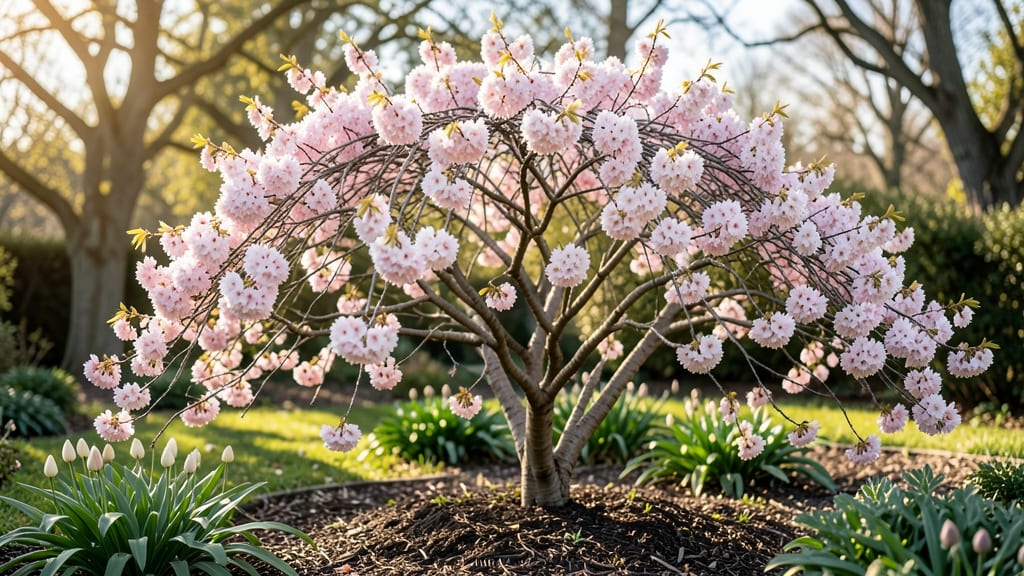
Predicting your cherry tree's flowering time means catching that breathtaking pink explosion every spring. 🌸 The exact timing depends on your zone—most ornamental varieties burst into bloom between late March and early May, while fruit-bearing trees like Bing cherries follow a week or two later.
Temperature is the real game-changer: trees need chill hours (300-900, depending on variety) to trigger buds, followed by a warm spell to open them. That's why late-winter frosts can delay blooms or even strip them away—nature's cruel timing lesson.
My weeping cherry blooms reliably in early April here in Zone 6, but last year's late freeze sent mine into a panic. The payoff? Knowing this lets you time pruning (after blooms fade), plan pollinator-friendly plants nearby, and even predict when to expect those first tart-sweet fruitlets.
A little research now means weeks of effortless enjoyment later—no guessing, just anticipation. Regional variations matter too: Southern trees bloom earlier (February-March), while Northern varieties wait until May. Use your local extension office's bloom records as your cheat sheet. Here's how to work with Mother Nature's schedule!
📚 In This Guide
- What you need
- Instructions
- Tips and common mistakes
- Wrapping up and next steps
What you need
- ● Cherry tree variety guide: Research or note your tree’s specific cultivar (e.g., Prunus avium or Prunus serrulata)—this determines flowering cues!
- ● Digital thermometer: A waterproof, outdoor-rated model (e.g., 0–100°F range) for tracking chilling hours.
- ● Notebook or app: Use a weather-tracking app (like PlantNet) or a simple journal to log daily temps and bud stages.
- ● Hand lens (10x magnification): For inspecting flower bud scales—critical for spotting early swelling!
- ● Permanent marker & tags: Label branches with dates when buds first swell or bloom.
- ● Soil moisture sensor: Cherry trees need well-drained soil—monitor moisture to avoid stress before blooming.
- ● Local weather alerts: Sign up for NOAA or garden-specific alerts to catch sudden temp shifts.
- ● Camera with macro mode: Document bud development for a visual timeline (bonus: share with fellow gardeners!).
- ● Pruning shears: Lightly trim dead or crossing branches post-bloom to encourage next year’s flowers.
How to time cherry tree flowering for perfect spring blooms
Predicting bloom time isn't guesswork—it's a science of climate, tree age, and care. Here's how to read your tree's signals.
🌱 Step 1: Identify Your Cherry Tree Variety and Age
Sweet cherries and tart cherries bloom at different times, with age playing a critical role. Sweet cherries typically bloom in late April to early May, while tart cherries often appear 2-3 weeks earlier. A young tree under 5 years old may produce only sporadic flowers, while mature trees (over 10 years) develop full blooms.
Check your tree's label or consult local nurseries to confirm the cultivar. Some varieties, like 'Stella' or 'Bing', have predictable bloom windows, while others may vary slightly based on your hardiness zone. I always verify by comparing my tree's growth stage to neighbors'—if theirs are already budding, mine should follow within 7-10 days.
☀️ Step 2: Track Last Year's Bloom Date and Chill Hours
Cherry trees require 500-1,000 hours of winter chill (temperatures between 32-45°F) to trigger flowering. Use a weather station or local climate data to log these hours annually. If your area falls short (common in warmer climates), your tree may bloom erratically or produce fewer flowers.
Note the exact date of last year's bloom—this gives you a baseline. For example, if your tree bloomed on April 22nd last year, expect similar timing this spring, adjusted for ±5 days based on current chill hours. I mark this date on my calendar and set reminders to monitor buds starting 4-6 weeks before the expected bloom.
⏰ Step 3: Monitor Bud Development in Late Winter
Start checking for flower buds in February, when they appear as small, swollen clusters along the branches. Healthy buds should be firm and plump, not shriveled or brown. Use a magnifying glass to inspect—you'll see tiny pink or white specks emerging as the buds swell.
Watch for 3 key stages:
- Swollen buds,
- Bud scales separating, and
- Visible color (pink or white). The transition from stage 1 to 2 usually takes 2-3 weeks, depending on temperature. If buds remain dormant past mid-March, your tree may need more chill hours or protection from late winter thaws.
🌿 Step 4: Adjust Care to Encourage Strong Blooms
Ensure your tree receives full sun (6+ hours daily) and well-draining soil to support flower production. Prune in late winter (before buds swell) to remove dead wood and thin dense branches—this improves air circulation and light penetration, which encourages more blooms.
Apply a balanced fertilizer (10-10-10) in early spring, just as buds begin to swell. Over-fertilizing can delay blooming, while too little may result in sparse flowers. I always water deeply once a week during dry spells in late winter to prevent stress. Stress weakens the tree's ability to produce flowers, so consistency is key.
✂️ Step 5: Time Post-Bloom Pruning for Next Year's Flowers
After blooms fade, prune to shape the tree and remove dead or crossing branches. This stimulates new growth, which will develop next year's flower buds. Prune within 2 weeks of petal fall to avoid disturbing the tree's energy reserves.
Remove any suckers or water sprouts immediately—they divert energy from flower production. I also thin out crowded branches to improve sunlight exposure, as shade reduces bloom quality. If your tree produces fruit, thin the crop to 6-8 inches apart to ensure larger, healthier blooms the following spring.
Tips & tricks for perfect cherry tree flowering timing
Timing your cherry tree's blooms with precision takes patience and observation—but these insights will help you anticipate spring's most beautiful display.
Variety-Specific Timing: The 2-3 week difference between sweet and tart cherries is critical. If you're unsure of your tree's variety, check local orchard bloom records or ask at your nursery. I once had a neighbor with a 'Stella' tart cherry that bloomed March 15th, while my 'Bing' sweet cherry waited until April 1st—knowing these windows helps you prepare for pollination needs.
Chill Hour Tracking: Don't rely on memory for those 500-1,000 chill hours—use a weather app or local agricultural extension service for precise data. I set up a simple spreadsheet to log daily temperatures between 32-45°F. If your area falls short (like in Zone 7b), consider planting chill-hardy varieties or using frost blankets during late winter thaws to protect developing buds.
Bud Development Watch: That 2-3 week transition between swollen buds and visible color is your most reliable indicator. I mark the date when I first see pink specks emerging—this gives me a 4-6 week heads-up to prepare for potential frost protection. If buds remain dormant past mid-March, your tree may need artificial chill hours (like a cold storage unit for potted trees) or a different cultivar better suited to your climate.
Post-Bloom Care: The 2-week window after petal fall for pruning is non-negotiable if you want next year's flowers. I always schedule this pruning right after the last frost date in my area. Remove any suckers immediately—they can divert up to 30% of the tree's energy away from flower production. For fruit-bearing trees, thinning to 6-8 inches between fruits ensures larger blooms the following spring by reducing competition for resources.
Pro Tips for Cherry Tree Flowering Time
- Timing your cherry tree's blooms with precision takes patience and observation—but these insights will help you anticipate spring's most beautiful display.
- Variety-Specific Timing: The 2-3 week difference between sweet and tart cherries is critical.
- Chill Hour Tracking: Don't rely on memory for those 500-1,000 chill hours—use a weather app or local agricultural extension service for precise data.
Frequently asked questions
Got questions about when your cherry tree will burst into bloom? You’re not alone! Here are answers to the most common queries about cherry tree flowering time—so you can plan your spring with confidence.
When do cherry trees typically flower?
Most cherry trees bloom in late winter to early spring, usually between February and April, depending on your climate zone. Sweet cherries often flower slightly earlier than tart varieties. Warmer regions (like California) may see blooms as early as January, while colder areas (Midwest/Northeast) might delay until March or April.
How long does a cherry tree take to flower after planting?
Young cherry trees (under 3 years old) may take 1-3 years to produce flowers, depending on the variety and growing conditions. Dwarf or grafted trees often bloom faster (1-2 years), while standard trees might wait 3-5 years. Patience is key—focus on proper care (sunlight, water, soil) to encourage early blooming!
What if my cherry tree isn’t flowering? Troubleshooting tips.
No blooms? Check these common culprits:
- Age: Trees under 3 years old may not flower yet.
- Cold requirements: Some varieties need 200-1,000 chill hours (below 45°F). If winters are too mild, blooms may fail.
- Pruning timing: Prune after flowering (late spring/summer) to avoid cutting off next year’s buds.
- Nutrients: Poor soil or over-fertilizing (especially nitrogen) can delay blooms. Test soil and balance nutrients.
If the issue persists, consult a local nursery or arborist!
Can I control or speed up cherry tree flowering?
While you can’t force blooms, you can optimize conditions:
- Chill hours: Ensure your tree gets enough winter cold (most need 500-1,000 hours below 45°F). In warm climates, use artificial chilling (e.g., refrigeration for cuttings) for some varieties.
- Sunlight: Plant in full sun (6+ hours/day)—shady spots delay blooming.
- Watering: Keep soil consistently moist (but not soggy) during dormancy and early spring.
- Variety choice: Some trees (like Stella Pink or Kanzan) bloom reliably earlier than others.
Pro tip: Avoid heavy pruning in late winter—this can stress the tree and reduce blooms!
Do cherry trees need two trees to produce fruit?
Yes! Most cherry trees are self-unfruitful, meaning they need cross-pollination from another compatible variety to produce fruit. Plant two different cherry trees (e.g., a sweet and a tart variety) within 50 feet for successful pollination. Exceptions: Some self-pollinating varieties (like Stella Pink) can fruit alone, but yields may be lower.
Wrapping up and next steps
Understanding your cherry tree’s flowering time is the first step to savoring its stunning spring blooms—and maybe even a bountiful harvest! 🌸 Whether you’re tracking varieties, adjusting care, or planning ahead, precision pays off.
Now that you’re armed with timing tips, climate insights, and troubleshooting tricks, why not take the next step?
💡 Pro Tip: Mark your calendar for next year’s blooms by noting when your tree flowers and the average last frost date in your area. Share your observations with local gardening groups—every bloom helps the community predict (and celebrate) spring together!