
Pests
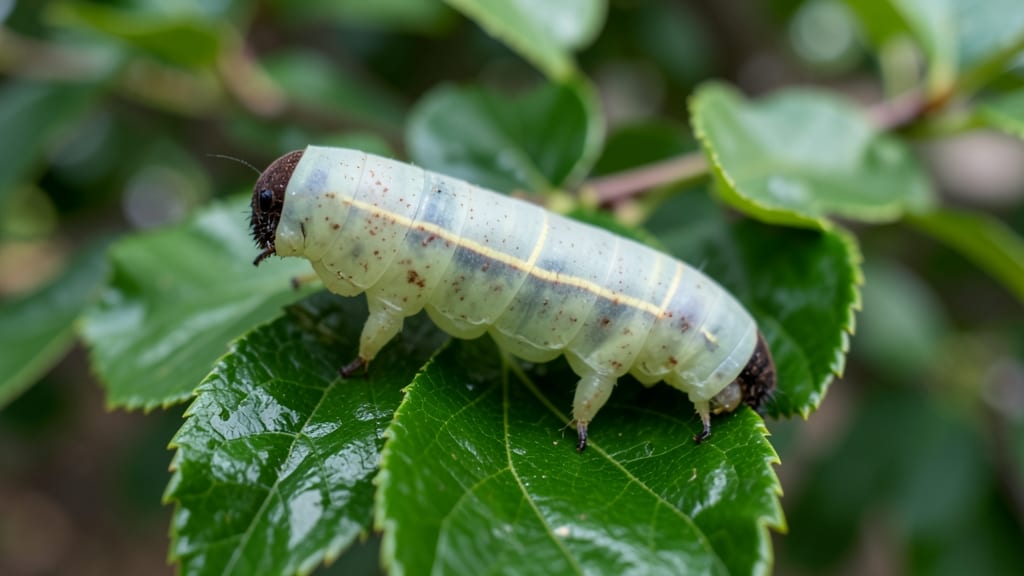
Fuzzy green caterpillars munching your cherry tree leaves? 🌿 That's the telltale sign of a cherry tree caterpillar infestation—one that can strip branches bare if you don't act fast. I've battled these pests for years, and I'll show you how to stop them without harming bees or other beneficial insects.
The caterpillars start as tiny eggs laid on leaves in spring, then grow into voracious eaters that skeletonize foliage by summer. The good news? They're easy to spot—look for chewed leaves, silken webs, and the caterpillars themselves hiding along branches.
Most damage happens between May and July, so early action is key.
You'll learn to use organic sprays like neem oil or Bacillus thuringiensis (BT), handpick caterpillars, and encourage natural predators like birds and parasitic wasps. These methods work fast—within 3-5 days—and keep your tree healthy without chemicals.
Whether you're dealing with a small backyard tree or a large orchard, these solutions scale easily. The secret is consistency: check your tree weekly during peak season, and you'll protect next year's harvest too.
Root Causes Of Cherry Tree Defoliation
Understanding why caterpillars target your cherry trees starts with recognizing their natural behaviors and the environmental factors that make your trees an attractive feast. These leaf-munching pests don’t strike randomly—they’re drawn by specific conditions that turn your orchard into an all-you-can-eat buffet.
Let’s break down the key reasons behind their infestations.
Cherry trees become prime targets during late spring and early summer when caterpillars—like the cherry tree looper (Crocidolomia binotalis) or orange tortrix moth (Argyresthia conjugella)—emerge from eggs laid on buds or leaves. Here’s why this timing matters:
- New Leaf Growth = Nutrient-Rich Meals: Young, tender leaves are packed with sugars and proteins, making them irresistible to caterpillars. Older leaves are tougher and less nutritious, so pests prioritize fresh foliage. - Synchronized Hatching: Many caterpillar species time their egg-laying to coincide with leaf flush.
If your tree bursts with new growth just as caterpillars hatch, you’ll see rapid defoliation within weeks. - Competition For Resources: In orchards with monoculture cherry trees, caterpillars have fewer alternative food sources.
Diverse plantings (e.g., mixing in fruit trees like plums or apples) can reduce pressure by scattering their attention.
Actionable Insight: Monitor your trees in late April to early June—this is peak risk. Set up pheromone traps or inspect leaves for tiny eggs (often laid in clusters on undersides) to catch infestations early.
A stressed cherry tree is like a neon sign for caterpillars. Weak trees produce lower-quality leaves, which may seem like a paradox, but pests actually prefer trees that are struggling to defend themselves. Common stressors include:
| Stressor | How It Weakens Trees | Caterpillar Response |
|---|---|---|
| Drought | Leaves become dry and brittle, reducing tannins (natural pest deterrents). | Caterpillars detect chemical changes and target these trees first. |
| Nutrient Deficiencies (e.g., nitrogen, potassium) | Stunted growth leads to softer, more digestible leaves. | Higher caterpillar survival rates due to easier digestion. |
| Fungal/Bacterial Infections (e.g., leaf spot, canker) | Damaged leaves release volatile organic compounds (VOCs) that attract pests. | Caterpillars use these VOCs as "find me" signals. |
| Physical Damage (e.g., hail, improper pruning) | Exposed sap and broken branches create entry points for pests. | Egg-laying moths prefer trees with open wounds. |
Pro Tip: 💡 Conduct a soil test before spring to check for deficiencies. Apply compost or organic fertilizers (like fish emulsion or kelp meal) to boost tree resilience. Mulch heavily to retain moisture and reduce drought stress.
Cherry tree caterpillars have a natural enemy army—birds, parasitic wasps, ladybugs, and predatory beetles—that typically keep populations in check. But when this balance is thrown off, outbreaks occur. Here’s how it happens:
- Pesticide Overuse: Broad-spectrum synthetic insecticides (like neonicotinoids or pyrethroids) kill both pests AND their predators. Even "targeted" sprays can linger in the environment, creating a pesticide desert where caterpillars thrive unchecked. - Habitat Loss: Urbanization and monoculture farming reduce diverse ecosystems that support predator species.
For example, bluebirds and chickadees (key caterpillar eaters) need nest sites and insect-rich environments to survive. - Climate Shifts: Warmer winters mean longer caterpillar breeding seasons. Predators that rely on cold snaps to reset populations (like certain wasp species) may struggle to keep up.
Eco-Friendly Fix: 🌿 Encourage biodiversity by planting native flowering shrubs (e.g., serviceberry, elderberry) near your cherry trees. These attract pollinators and predator insects like hoverflies and lacewings. Avoid systemic pesticides—opt for targeted organic sprays (like Bt [Bacillus thuringiensis]) that harm caterpillars but spare beneficial insects.
Caterpillars are opportunistic—they’ll exploit any advantage, including poor orchard management. Two major factors play a role:
- Dense Plantings: When cherry trees are too close together, airflow and sunlight are restricted. This creates:
- Higher humidity (ideal for egg survival).
- Slower leaf drying after rain (caterpillars thrive in moist conditions).
- More shaded leaves (less bitter, easier to digest).
- Debris And Last Year’s Leaves: Fallen leaves, mummified fruits, and pruning debris harbor:
- Overwintering caterpillars (some species pupate in leaf litter).
- Eggs from moths that laid them the previous season.
- Fungal spores that weaken new growth.
Cleanup Checklist: ⏰
- Prune in late winter to improve airflow and sunlight.
- Remove and destroy (don’t compost!) all fallen leaves and fruit husks within 50 feet of trees.
- Space trees 15–20 feet apart (varies by variety) to reduce humidity and disease risk.
Natural Ways to Protect Your Trees
Now that you understand why caterpillars like the cherry tree caterpillar (often the western black-headed budworm or cherry fruitworm) target your trees, let’s tackle the solutions—without harming bees or beneficial insects.
These methods focus on prevention, early intervention, and organic treatments that keep your cherry trees thriving while supporting your garden’s ecosystem.
The best defense is a strong, healthy tree that’s less appealing to pests. Here’s how to fortify your cherry tree before caterpillars become a problem:
🍃 1.
Keep Trees Healthy & Resilient Caterpillars thrive on stressed or nutrient-deficient trees. Boost your tree’s defenses with these steps: - Water deeply but infrequently (1–2 inches per week) to encourage deep root growth. 💧 - Mulch around the base (2–3 inches of organic mulch like wood chips or straw) to retain moisture and regulate soil temperature. - Prune in late winter/early spring to remove dead or crowded branches, improving airflow and reducing hiding spots for pests. ✂️ - Fertilize in early spring with a balanced organic fertilizer (like compost or a 10-10-10 blend) to promote vigorous growth.
🕵️ 2.
Monitor & Remove Eggs Early Caterpillars start as tiny eggs laid on buds, leaves, or fruit. Catch them early with these tactics: - Inspect trees weekly (especially in spring) for small white or yellow egg masses on buds or undersides of leaves. - Scrape off eggs with a soft brush or fingernail and drop them into soapy water to drown them. 🦗💦 - Use a flashlight at dusk—some moths lay eggs at night, and you might spot them before they hatch.
🌱 3.
Encourage Natural Predators Mother Nature has built-in pest control—help it along by: - Planting companion flowers like dill, fennel, or yarrow to attract parasitic wasps (which lay eggs inside caterpillars). - Leaving leaf litter in parts of your garden to provide shelter for ground beetles and spiders, which eat caterpillar eggs. - Avoiding broad-spectrum pesticides (even organic ones) that kill beneficial insects like ladybugs and lacewings.
If caterpillars have already moved in, act fast with these bee-friendly, chemical-free solutions:
🍳 1.
Handpick & Destroy Larvae For small infestations, manual removal is the simplest and safest method: - Wear gloves and check leaves, buds, and fruit daily (especially in the morning when caterpillars are sluggish). - Drop larvae into a bucket of soapy water—this kills them instantly without affecting other insects. 🕷️💀 - Focus on young caterpillars (smaller than ½ inch) before they cause major damage.
👨🍳 2. Apply Organic Sprays (Timed Right)
Sprays work best before eggs hatch or when caterpillars are small. Avoid spraying when bees are active (early morning or late evening is safest).
| Treatment | How to Use | Best For | Precautions |
|---|---|---|---|
| Neem Oil | Mix 1–2 tbsp neem oil + 1 tsp mild soap per gallon of water. Spray every 7–10 days until eggs hatch. | Eggs & young larvae | Avoid spraying in direct sunlight (can burn leaves). |
| Bacillus thuringiensis (Bt) | Sprinkle Bt powder (contains bacteria harmful only to caterpillars) or mix with water for a spray. Reapply after rain. | Young caterpillars (not eggs) | Safe for bees; reapply after rain. |
| Spinosad | Use a spinosad-based spray (like Captain Jack’s) early in the season. | Mature larvae | Avoid spraying flowers (toxic to bees). |
| Kaolin Clay | Mix 5 lbs kaolin clay + 5 gallons water. Spray to create a physical barrier that deters feeding. | All stages (especially fruitworms) | Looks chalky but harmless to bees. |
💡 Pro Tip: Rotate treatments to prevent resistance. For example, use neem oil in spring, then switch to Bt if caterpillars return.
🪰 3.
Physical Barriers for Fruit Protection If caterpillars are targeting cherries, try these low-tech solutions: - Cover young fruit clusters with fine netting (like tulle or fruit tree netting) to block egg-laying moths. 🍒🛡️ - Wrap tree trunks with aluminum foil or tree collars to prevent moths from laying eggs near the base. - Use sticky traps (like pheromone traps) to monitor and reduce adult moth populations before they lay eggs.
| Stage | Best Action | Timing |
|---|---|---|
| Early Spring | Neem oil spray + egg scraping | Before buds swell (preventative). |
| Late Spring | Bt spray + handpicking | When caterpillars are small. |
| Summer | Kaolin clay + sticky traps | If fruitworms appear. |
| Fall Cleanup | Remove & destroy infested fruit/leaves | After harvest to break the cycle. |
To keep caterpillars away for good, adopt these habits:
- Plant trap crops like dill or parsley away from your cherry tree to distract moths.
- Encourage birds (like chickadees and robins) by installing birdhouses or feeders—they love eating caterpillars! 🐦🍽️
- Rotate planting locations if possible to disrupt moth breeding cycles.
- Test soil health—unbalanced pH or poor drainage stresses trees, making them more vulnerable.
By combining prevention, early action, and organic treatments, you can protect your cherry tree without harming bees or other pollinators. Stay vigilant, but don’t stress—a little effort now saves big headaches (and lost fruit) later! 🍒🌿
Frequently asked questions
What do cherry tree caterpillars look like, and how can I tell them apart from other pests?
Cherry tree caterpillars typically appear as fuzzy green or brown larvae about 1–1.5 inches long with distinctive markings. The western black-headed budworm has a black head, while cherry fruitworms are pale green with tiny black dots. Look for chewed leaves with silken webs or caterpillars hiding along branches—these are key identifiers.
Are cherry tree caterpillars harmful to humans or pets?
No, these caterpillars pose no direct threat to humans or pets. While some species may cause skin irritation if handled (like stinging hairs), they’re not poisonous. The main concern is their damage to your trees—stripped leaves reduce fruit production and weaken the tree over time.
How quickly can caterpillars defoliate a cherry tree, and what should I do if I see heavy damage?
Caterpillars can skeletonize leaves in as little as 3–5 days if left unchecked. If you spot heavy damage, act fast: handpick larvae, apply Bacillus thuringiensis (Bt) spray, and cover young fruit with netting. Severe cases may require professional help to prevent long-term stress on the tree.
Can I use neem oil or other organic sprays if my cherry tree is in bloom?
Neem oil and Bacillus thuringiensis (Bt) are safe for bees when used correctly, but avoid spraying during peak bloom hours (10 AM–4 PM). Apply early morning or evening when bees are less active. Spinosad should be avoided entirely near flowers, as it harms pollinators.
Will removing fallen leaves and fruit husks really help prevent next year’s infestation?
Many caterpillars overwinter as eggs or pupae in leaf litter or debris. By removing and destroying fallen leaves and fruit husks within 50 feet of your tree, you break their life cycle. This simple step can reduce next year’s caterpillar population by up to 70%.