
Container Gardens
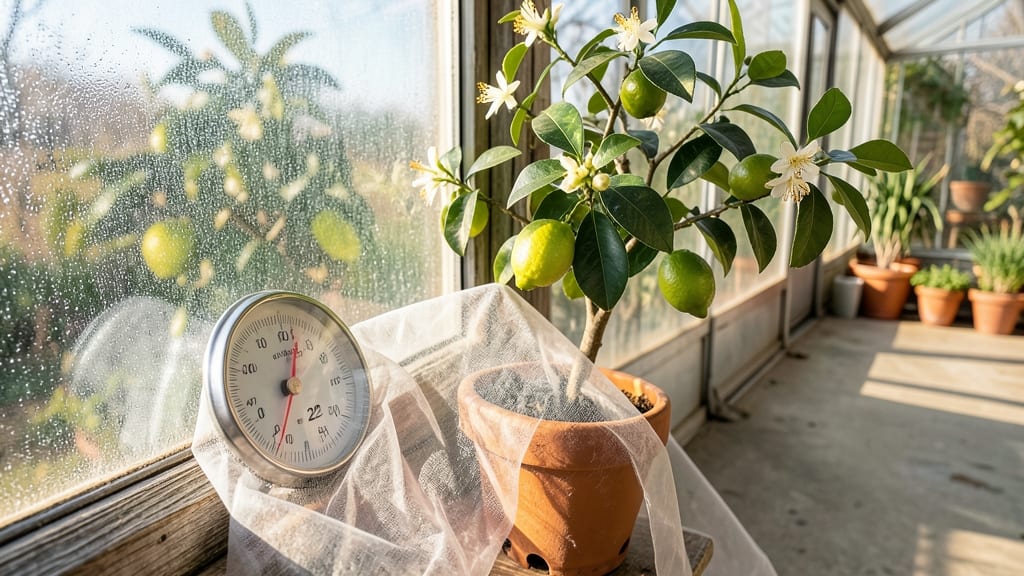
You can grow a lemon tree in Illinois with cold-hardy varieties like 'Meyer' or 'Improved Meyer,' but you'll need winter protection, container cultivation, or indoor overwintering because Illinois' Zone 5-6 climate faces harsh winters. Dwarf varieties make transitions between indoor and outdoor spaces easier.
Illinois' climate presents challenges, but citrus lovers can still enjoy homegrown lemons by selecting varieties that tolerate cooler temperatures better than traditional types. 🌱 The 'Meyer' lemon, for example, handles temperatures down to 20°F with proper care, while regular lemons typically need 30°F or warmer.
I've found that container growing gives you the flexibility to move trees indoors when frost threatens, preserving both the plant and your harvest potential.
What makes this possible is the right combination of variety selection and growing conditions. Dwarf varieties like 'Improved Meyer' stay manageable for indoor spaces while still producing fruit. The key is starting with healthy nursery stock and giving your tree the right care during its critical first winter.
Many gardeners in Chicago and northern Illinois successfully grow lemons this way, proving it's absolutely doable with the right approach.
💡 In This Article
- Cold-Resistant Lemon Tree Varieties for Illinois Gardens
- Step-by-Step Guide to Overwintering Lemon Trees in Illinois
Cold-resistant lemon tree varieties for Illinois gardens
Citrus trees evolved in subtropical climates, but their cold tolerance varies dramatically between varieties. The 'Meyer' lemon, for instance, can survive brief exposures to 20°F with proper care, thanks to its hybrid ancestry that includes a cold-hardy mandarin.
This makes it the top choice for Illinois gardeners, where winter temperatures often drop below 10°F. The tree's leaves may suffer frost damage, but the trunk and roots can recover if protected with 4-6 inches of mulch and wrapped in burlap.
Compare this to traditional 'Eureka' lemons, which typically need temperatures above 30°F to survive. Their lack of cold tolerance comes from their pure lemon lineage, which hasn't developed the same protective mechanisms as hybrid varieties. The 'Ponderosa' lemon, while impressive with its large fruit, shares similar cold sensitivity.
What sets 'Meyer' apart is its ability to regrow leaves quickly after frost damage, a trait that makes it uniquely suited for Illinois' unpredictable winters.
The science behind this cold tolerance lies in the tree's cellular structure. 'Meyer' lemons produce higher levels of antioxidants that protect cell membranes from freezing damage. Their smaller leaves also lose less moisture in cold winds, helping them survive brief cold snaps.
For Illinois gardeners, this means you can often leave 'Meyer' trees outdoors during mild winters, only bringing them indoors when temperatures drop below 25°F for more than a few hours.
Growth habits also play a crucial role. Dwarf varieties like 'Improved Meyer' reach only 6-8 feet tall, making them ideal for container growing and indoor winter care. Their compact size means they can be easily moved between sunny patios in summer and bright windowsills in winter.
The trade-off is slightly smaller fruit, but the convenience of managing a 5-gallon container makes this an excellent compromise for urban gardeners.
Consider these key factors when selecting your variety:
- Cold tolerance: 'Meyer' (20°F) > 'Improved Meyer' (22°F) > 'Eureka' (30°F)
- Fruit size: 'Ponderosa' (giant lemons) vs 'Meyer' (smaller but more abundant)
- Growth habit: Dwarf varieties for containers vs standard trees for permanent outdoor planting
- Frost recovery: 'Meyer' regrows leaves quickly vs 'Eureka' which may take months
For the best results, I recommend starting with a 1-2 year old 'Meyer' lemon tree from a reputable nursery. These young trees establish more quickly and have better survival rates through their first Illinois winter.
The key is to plant them in well-draining soil and provide afternoon shade during the hottest summer months to prevent heat stress.
What most people don't realize is that even cold-hardy varieties need proper acclimation. Gradually expose your tree to outdoor conditions in spring (starting with 2-3 hours per day) to harden it off. This process helps the tree develop protective compounds that improve its cold tolerance by 5-10°F. 🌿