
How To
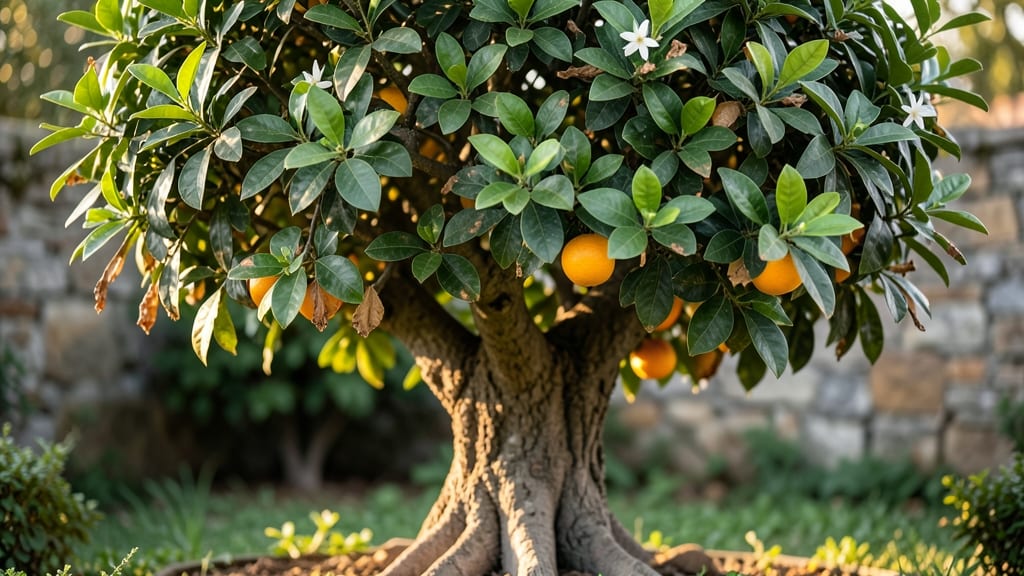
Your mandarin tree’s brown tips on the leaves scream for help—usually from underwatering, salt buildup, or dry air. 💧 I’ve nursed three citrus trees back from crispy edges, and the fixes are simpler than you’d think: adjust watering, flush the soil, and boost humidity in one week.
Most people overwater first and then panic when the leaves crisp. The real culprit? Tap water’s minerals or letting the soil dry completely. Your tree wants consistent moisture—think damp sponge, not soggy or bone-dry. Start by checking the top 2 inches of soil before watering again.
Within 7-10 days, you’ll see new growth pushing out if you catch it early. The brown edges will stop spreading, and the leaves will plump up again. The key is acting fast—citrus trees bounce back faster than you’d expect when you fix the basics.
This works for both container-grown and in-ground mandarins. If your tree is potted, move it to a shadier spot temporarily while it recovers—direct sun stresses already damaged leaves even more.
Root Causes Of Leaf Damage
Understanding why your mandarin tree’s leaves develop brown tips is the first step to restoring its health. These unsightly symptoms usually stem from environmental stress, improper care, or underlying health issues.
Below, we break down the most common causes—complete with scientific explanations and actionable insights to help you diagnose the problem accurately.
Mandarin trees (Citrus reticulata) are drought-tolerant but hate soggy roots. When soil stays too wet, oxygen can’t reach the roots, leading to root rot (often caused by Phytophthora fungi or Pythium). This disrupts nutrient and water uptake, causing leaves to develop brown, crispy edges—especially on younger foliage.
Why it happens:
- Excess moisture triggers oxidative stress in root cells, damaging their membranes.
- Compacted or clay-heavy soil slows drainage, trapping water and suffocating roots.
- Overpotting without drainage holes forces roots to compete for oxygen in stagnant water.
🔍 Quick test: Stick your finger 2 inches into the soil. If it’s damp after 24 hours, you’re overwatering. Brown tips + mushy roots = drainage crisis.
Mandarin trees thrive in well-draining, slightly acidic soil (pH 6.0–7.0). When soil dries out completely or salts accumulate (from tap water, fertilizers, or poor-quality soil), leaves lose turgor pressure, leading to osmotic stress. Brown tips form as cells dehydrate and die.
Why it happens:
- Chronic underwatering causes xylem cavitation—air bubbles block water transport, starving leaves.
- Salt buildup (from hard water or over-fertilizing) disrupts root function, mimicking drought stress.
- Pot-bound roots struggle to access moisture in dry soil, exacerbating the issue.
💡 Pro tip: Flush the soil with rainwater or distilled water every 2–3 months to leach out salts. If repotting, use a cactus/succulent mix amended with perlite.
Mandarin trees are subtropical but can suffer when exposed to sudden temperature swings, cold drafts, or scorching sun. Brown tips often appear on leaves that were frost-nipped (below 28°F/-2°C) or sunburned (direct midday heat after winter dormancy).
Why it happens:
- Cold damage causes cell membrane rupture in leaves, leading to necrosis (dead tissue).
- Windburn dries out leaf edges faster than cells can replace moisture, creating desiccation stress.
- Transplant shock in hot weather stresses roots, reducing water uptake and causing leaf scorch.
✨ Prevention: Acclimate trees gradually to outdoor conditions (hardening off) and protect them from northern winds with burlap wraps in winter. Mulch with straw or pine needles to insulate roots.
While less common than environmental causes, pathogens like Alternaria (a fungal leaf spot) or bacterial leaf blight (Xanthomonas) can cause brown, necrotic tips—often accompanied by yellow halos or oily spots.
Why it happens:
- High humidity + poor airflow (e.g., crowded pots or dense foliage) encourages fungal spores to germinate.
- Wet leaves (from overhead watering) create ideal conditions for bacterial growth.
- Weakened trees (due to stress from other causes) are more susceptible to infections.
🔥 Action step: Prune affected leaves with sterilized shears and apply copper fungicide (for bacteria) or neem oil (for fungi). Space plants for better airflow.
📊 Key Takeaway: Most brown tips stem from water-related stress (over/under) or environmental extremes. Start by checking soil moisture, drainage, and recent care changes—your mandarin tree’s revival depends on fixing the root cause!
Revive Your Tree With Targeted Fixes
Now that you know what’s causing those pesky brown tips on your mandarin tree leaves, it’s time to roll up your sleeves and bring your tree back to its vibrant best! 🌿 The good news?
Most solutions are simple, cost-effective, and require minimal effort. Below, we’ve mapped out practical fixes for each common cause, along with prevention tips to keep your tree thriving long-term.
Signs: Yellowing leaves, soggy soil, brown tips, or a mushy root ball when checked. Why it happens: Too much water suffocates roots, cutting off oxygen and nutrients.
How to Fix It: ✅ 🔥 Adjust Your Watering Routine
- Let the top 1–2 inches of soil dry out between waterings. Stick your finger in the soil—if it’s damp, wait!
- Water deeply but less frequently (e.g., every 5–7 days in summer, less in winter).
- Avoid wetting the leaves to prevent fungal issues.
✅ 🌱 Improve Drainage
- If your pot lacks drainage holes, repot your tree into a container with holes or add a layer of gravel or perlite at the bottom.
- For in-ground trees, amend the soil with compost or sand to improve aeration.
✅ 👨🍳 Prune Damaged Leaves
- Trim off brown or yellowed leaves with clean pruners to redirect energy to healthy growth.
💡 Prevention Tips:
- Use a well-draining potting mix (e.g., cactus/succulent mix + perlite).
- Place pots in shaded areas to slow evaporation.
- Avoid saucers that trap excess water—empty them after watering.
Signs: Crispy, brown edges (especially on new growth), wilting, or sunken spots on leaves.
How to Fix It: ✅ 🌿 Gradually Acclimate Your Tree
- If your mandarin is new to bright light, move it to partial shade for a week or two.
- Use a light shade cloth (30–50%) to filter harsh afternoon sun.
✅ 🏡 Protect from Wind
- If outdoor winds are the culprit, relocate the tree to a sheltered spot (e.g., near a fence or wall).
- For potted trees, place them against a sturdy surface or use a windbreak (like a bamboo screen).
✅ 💦 Boost Hydration
- Water more frequently during heatwaves (early morning is best).
- Mist leaves lightly in extreme heat (but avoid soggy conditions).
💡 Prevention Tips:
- Choose a sun-tolerant mandarin variety (like ‘Murcott’ or ‘Clementine’) if full sun is unavoidable.
- Rotate pots occasionally so all sides get even light.
- Mulch the soil to retain moisture and reduce stress.
Signs: Brown tips plus black spots, powdery residue, or tiny bugs (scale, spider mites, or aphids).
How to Fix It: ✅ 🔪 Treat Fungal Issues
- Prune infected leaves and dispose of them (don’t compost!).
- Spray with a fungicide mix (1 tsp baking soda + 1 quart water + a drop of dish soap) every 7–10 days for 3 weeks.
- Improve air circulation by spacing plants apart or thinning dense foliage.
✅ 🐞 Banish Pests
- Neem oil spray (1 tbsp neem oil + 1 tsp mild soap + 1 quart water) – spray undersides of leaves.
- Horticultural oil (for scale insects) – apply in early morning or evening.
- Introduce beneficial insects (ladybugs or lacewings) to control aphids naturally.
✅ 🌡️ Adjust Care Post-Treatment
- Reduce watering slightly to discourage fungal growth.
- Avoid chemical pesticides—they can stress the tree further.
💡 Prevention Tips:
- Inspect leaves weekly for early signs of pests.
- Clean tools with rubbing alcohol after pruning to prevent spreading disease.
- Avoid overhead watering—use a drip irrigation system or water at the base.
Signs: Brown tips plus slow growth, pale leaves, or stunted fruit.
How to Fix It: ✅ 📊 Test Your Soil
- Use a DIY soil test kit (available at garden centers) to check pH and nutrient levels.
- Mandarin trees prefer slightly acidic soil (pH 6.0–7.0).
✅ 🍎 Fertilize Smartly
- Balanced fertilizer (e.g., 10-10-10 or 6-6-6) in spring and summer (follow package rates).
- For micronutrients, use a citrus-specific fertilizer (high in iron and magnesium).
- Avoid over-fertilizing—this can burn roots!
✅ 🥗 Organic Boosts
- Epsom salt spray (1 tbsp per gallon of water) for magnesium deficiency (spray leaves monthly).
- Compost tea or fish emulsion for a gentle nutrient kick.
💡 Prevention Tips:
- Fertilize lightly in fall/winter—trees need less during dormancy.
- Mulch with compost to slowly release nutrients.
- Repot every 2–3 years if growing in a container to refresh soil.
- 🌱 Trim damaged leaves to encourage new growth.
- 🌿 Monitor progress—healthy new leaves should emerge in 2–4 weeks.
- 🎯 Be patient! Some stress (like transplant shock) takes time to heal.
By tackling the root cause (literally!) and adjusting your care routine, your mandarin tree will bounce back with lush, green leaves in no time. 🌟 Which fix will you try first?
Frequently asked questions
My mandarin tree has brown tips—should I prune the affected leaves immediately?
Yes, but do it carefully! Trim only the brown or crispy edges with clean, sterilized pruners to prevent spreading disease. Avoid cutting into healthy green tissue. This helps redirect the tree’s energy to new growth. For severe damage, remove entire leaves—but never prune more than 20% of the foliage at once.
Could hard water be causing the brown tips on my mandarin tree?
Hard water leaves behind mineral deposits that build up in the soil, disrupting nutrient uptake and causing osmotic stress. To fix it, flush the soil with rainwater or distilled water every 2–3 months. If repotting, use a citrus-specific potting mix with added perlite to improve drainage and reduce salt buildup.
My mandarin tree is in a pot—how often should I water it to prevent brown tips?
Check the soil daily! Water when the top 1–2 inches feel dry—stick your finger in to test. In summer, this might mean watering every 3–5 days, while winter care may only require watering every 7–10 days. Always use a pot with drainage holes and avoid letting it sit in saucers of standing water.
Are brown tips on mandarin leaves contagious to other plants?
Not usually, but fungal infections (like Alternaria) or pests (like spider mites) can spread. Isolate affected trees immediately and clean tools with rubbing alcohol. If the issue is environmental (like salt buildup or underwatering), it won’t spread—but fixing the root cause will prevent further damage to all your plants.
Will my mandarin tree recover if I fix the brown tips now?
Yes! With proper care, your tree can bounce back in 2–4 weeks. New growth will push out from healthy buds, and the brown edges will stop spreading. Focus on consistent watering, improved drainage, and protecting leaves from harsh conditions. If the tree is still young, it may recover faster than mature trees with deep-rooted issues.