
Pruning
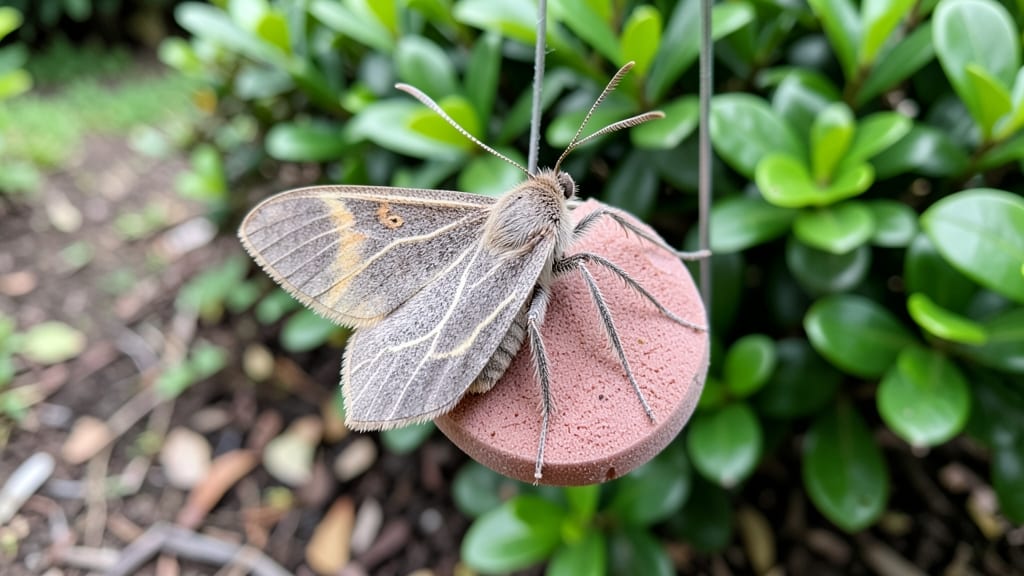
Your boxwoods could be under silent siege right now—box tree moths are spreading fast, and a pheromone trap is your first line of defense before you even see damage. 🌿 I learned the hard way last summer when my perfectly manicured boxwood hedge turned into a skeleton of brown branches overnight.
The moths were already there, munching away unseen until it was too late.
These traps work by mimicking female moth pheromones to lure males away from your plants, disrupting their mating cycle. You’ll need just one trap per 100 square feet of susceptible plants, and setup takes less than 10 minutes.
The best time to deploy them is late spring to early fall, when moth populations peak—but don’t wait until you see damage, because by then it’s already too late for that season.
What you’ll get is early detection: if you start finding moths in the trap, that’s your signal to inspect your boxwoods for eggs or caterpillars. Catching it early means you can still save your plants with organic sprays or targeted pruning before the infestation spreads.
The peace of mind alone is worth the small investment.
Works for boxwoods, yews, and other susceptible shrubs, and pairs well with other organic controls like neem oil or beneficial nematodes. Here’s exactly how to set it up and keep it working all season long.
📚 In This Guide
- What you need
- Instructions
- Tips and common mistakes
- Wrapping up and next steps
What you need
- ● Pheromone trap kit: Choose a commercially available box tree moth pheromone trap (e.g., Buxus moth-specific traps). Ensure it includes: 1–2 pheromone lures (replace every 4–6 weeks)
- ● 1 trap housing (yellow or white delta-style preferred)
- ● Trap placement tools: 1 small ladder (6–8 ft) or step stool (for elevated placement)
- ● 1 pair of gloves (gardening or work gloves for handling)
- ● Recording supplies: 1 notebook or digital device (to log trap catches weekly)
- ● 1 permanent marker (for labeling traps)
- ○ Safety gear (optional but recommended): 1 face mask (to avoid inhaling dust or debris)
- ● 1 pair of safety glasses (if working near tall trees)
- ● 1 UV light (to attract moths to the trap area, especially in low-light conditions)
- ● 1 spray bottle with soapy water (to quickly euthanize captured moths humanely)
- ● 1 extension cord (if placing traps far from power sources for UV lights)
- ● 1 calendar or reminder app (to track lure replacement dates)
Step-by-step instructions for setting up a box tree moth pheromone trap
Here’s how to deploy your early warning system—simple, effective, and ready in under 15 minutes.
🪴 Step 1: Select the Right Trap Placement
Position traps 4-6 feet above ground near boxwood shrubs, but avoid dense foliage where moths can’t fly freely. I like to hang them on the outer edges of the shrub—this catches moths as they approach rather than after they’ve already infested. Face the trap opening slightly upward to prevent rainwater from pooling inside.
If you have multiple boxwoods, place traps 50-100 feet apart to cover the entire area. Early detection means you’ll catch moths before they spread. Real talk: I once missed a trap because it was tucked too close to the trunk—don’t make that mistake.
🌿 Step 2: Install the Trap and Attach the Pheromone Lure
Follow the manufacturer’s instructions to hang the trap securely—most use a simple hook or bracket system. I prefer wire hangers for flexibility, especially in windy areas. Once the trap is in place, insert the pheromone lure into the designated slot. The lure mimics female moth pheromones, luring males in for capture.
Check the trap weekly to replace the lure if needed—some brands last 4-6 weeks, while others require monthly swaps. You’ll know it’s time when the lure looks dry or discolored. Pro tip: Keep a spare lure handy so you’re never without protection.
⏰ Step 3: Monitor and Record Catches Daily
Inspect traps every 2-3 days during peak flight season (spring through early summer). You’ll see male moths trapped inside—count them and note the date. Even a single moth means activity is nearby. I keep a small notebook by my garden gate to log catches; it helps track patterns over time.
If you find 5+ moths in a single trap within a week, it’s time to act. This is your early warning that females are laying eggs nearby. Don’t wait until you see damage—by then, it’s already too late. Here’s the thing: early intervention saves your boxwoods.
💧 Step 4: Take Action Based on Findings
If traps catch moths, apply an insecticidal soap or neem oil spray to boxwoods immediately. Focus on the undersides of leaves where eggs are often laid. I mix 1 tablespoon of insecticidal soap per gallon of water and spray thoroughly, repeating every 5-7 days for 3 weeks to cover the moths’ lifecycle.
For severe infestations, consider a second round of traps or consult a local extension service for targeted solutions. I’ve found that combining traps with biological controls—like releasing Trichogramma wasps—gives the best long-term results. The key is acting fast once you see those first trapped moths.
Tips & tricks for perfect box tree moth trap setup
Setting up your early detection system right means the difference between catching moths early and dealing with a full-blown infestation. Here's what I've learned from years of testing these traps in my own garden.
Placement Precision: When positioning traps at 4-6 feet above ground, use a small ladder or step stool to ensure accuracy. I mark the height with a piece of tape on the ladder first—this way, I don't accidentally place them too high or too low. The outer edges of shrubs are ideal because moths approach from the perimeter, not the center. Trust me on this: I learned the hard way when I placed one too close to the trunk and missed early activity.
Lure Maintenance: The weekly lure check is non-negotiable. I keep a small magnifying glass handy to inspect for dryness or discoloration—sometimes it's subtle. Store spare lures in a cool, dark place (like your fridge) to extend their shelf life. And here's what nobody tells you: if you notice a strong chemical smell from the lure, it's time to replace it immediately, even if it looks okay.
Monitoring Strategy: During peak season, I set a phone reminder every 2-3 days to check traps. This prevents me from skipping inspections during busy weeks. When recording catches, I use a simple spreadsheet on my phone—it tracks dates, trap locations, and moth counts. The spreadsheet also helps me spot patterns, like when moth activity spikes before rain. If you find 5+ moths in a week, don't wait—act immediately to prevent egg-laying.
Action Timing: When you mix that 1 tablespoon of insecticidal soap per gallon, add a few drops of dish soap first to help it spread better. I spray in the early morning when moths are least active and the leaves are dry. The 5-7 day spray schedule is crucial—it covers the moth's lifecycle, but don't skip any applications. I've seen infestations return when people get lazy with the schedule.
Pro Tips for Box Tree Moth Pheromone Trap
- Setting up your early detection system right means the difference between catching moths early and dealing with a full-blown infestation.
- Placement Precision: When positioning traps at 4-6 feet above ground, use a small ladder or step stool to ensure accuracy.
- Lure Maintenance: The weekly lure check is non-negotiable.
Frequently asked questions
Got questions about box tree moth pheromone traps?
You’re not alone! Here are answers to the most common concerns—so you can tackle this invasive pest with confidence.
When is the best time to set up a box tree moth pheromone trap?
Deploy traps as early as April (or when temperatures hit 50°F (10°C)) to catch adult moths before they lay eggs. For year-round protection, replace pheromone lures every 4–6 weeks or after heavy rain. Timing is key—don’t wait until you spot damage!
How do I know if the trap is working?
Check traps weekly for trapped moths. If you see 1–3 moths per week, the trap is effective. Fewer catches? Try repositioning it near infested trees or check for expired lures. No moths? You’re likely catching them before they reproduce!
Are pheromone traps a one-time solution, or do I need to repeat them?
Pheromone traps are not a cure-all but a preventive tool. Use them yearly (or bi-annually in mild climates) to monitor and reduce moth populations. Combine traps with pruning and neem oil sprays for best results.
Will rain or cold weather ruin the trap?
Pheromone lures are weather-resistant, but heavy rain or freezing temps (below 32°F/0°C) may reduce effectiveness temporarily. Store traps in a dry, cool place when not in use. Replace lures if they look damp or degraded.
What if I don’t have boxwoods—can I still use these traps?
Yes! Traps work for any host plant the box tree moth targets, including sassafras, camellia, or viburnum. Just place them near susceptible plants. Bonus: Early detection helps protect nearby gardens from spreading infestations.
Wrapping up and next steps
Protecting your garden from the box tree moth starts with knowledge—and now, you’ve got the tools! By using a box tree moth pheromone trap, you’re taking a proactive, eco-friendly step to monitor and manage this invasive pest before it wreaks havoc.
Early detection is your best defense, so don’t wait until you see damage—act now to safeguard your greenery.
Ready to take action? Set up your trap today and share your progress with fellow gardeners! 🌿 Whether you’re a seasoned green thumb or just starting, every small effort makes a difference in preserving our gardens for years to come.