
Trees
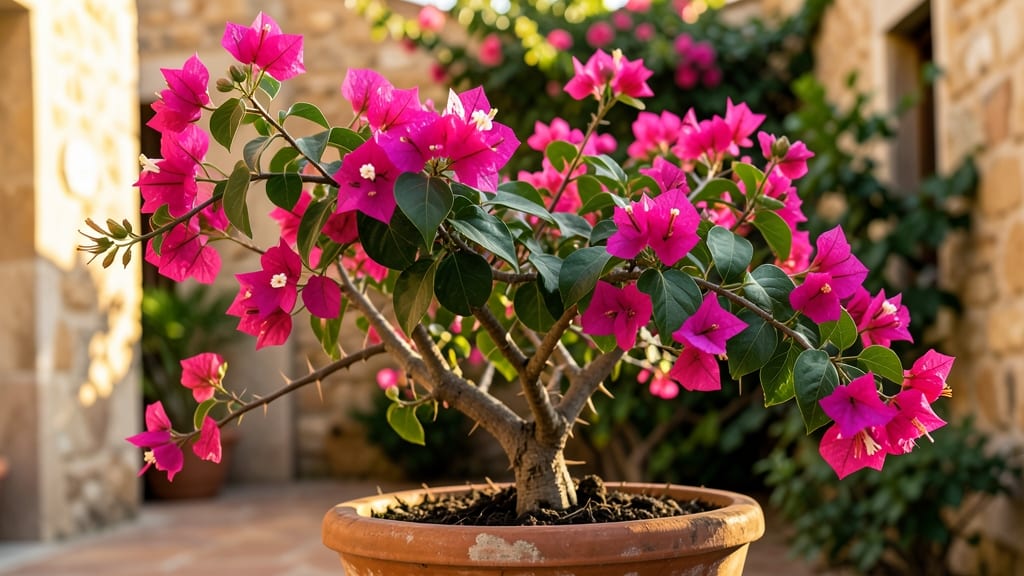
Florida’s bougainvillea tree thrives where others fail—heat, humidity, and even occasional cold snaps won’t stop its vibrant blooms. 🌿 I’ve grown these tough beauties through Florida’s summers and even a few unexpected chilly spells, and the right variety makes all the difference.
The key? Choosing cold-hardy types like ‘California Gold’ or ‘San Diego Red’ that bounce back from near-freezing temps, while still delivering nonstop color from spring through fall.
Planting is straightforward: full sun (at least 6 hours daily), well-draining soil (mix in sand if yours is heavy), and spacing 6-8 feet apart for mature size. Florida’s sandy soils actually work in your favor—just avoid waterlogged spots.
Water deeply once a week after establishment; these drought-lovers hate soggy roots but recover fast from dry spells. Prune lightly after blooms fade to encourage bushier growth, and never cut into old wood—new growth is where the magic happens.
Watch for scale insects (a Florida favorite) and fungal spots after heavy rains—neem oil or horticultural oil keeps pests at bay. The real secret? Mulching with 2-3 inches of pine bark retains moisture while protecting roots from Florida’s brutal summer heat.
With minimal effort, you’ll get year-round blooms that outshine anything from a nursery pot.
For Florida gardeners, the University of Florida’s IFAS Extension offers free soil tests and local variety recommendations. Start with one of these cold-tolerant types, and you’ll have a bougainvillea that outlasts Florida’s quirks—no fuss, just color. Ready to plant yours?
📚 In This Guide
- What you need
- Instructions
- Tips and common mistakes
- Wrapping up and next steps
What you need
- ● Cold-hardy bougainvillea varieties: Choose from 'California Gold', 'San Diego Red', or 'Thornless Double Pink'—all rated for USDA Zones 9-11 (Florida’s coastal areas). (1-3 plants, depending on desired coverage.)
- ● Well-draining potting mix: A blend of cactus/succulent soil (60%) + perlite/pumice (30%) + compost (10%). (5-10 gallons per plant.)
- ● Container or in-ground planting spot: Containers: 15-20 gallon pots with drainage holes (terracotta or fabric grow bags preferred). (1 per plant.)
- ● In-ground: Full sun (6+ hours/day) with sandy, well-draining soil. Amend clay soil with gypsum or coarse sand.
- ● Slow-release fertilizer: 10-10-10 or 14-14-14 (organic options like fish emulsion work too!). (1 tbsp per plant at planting.)
- ● Hand trowel or transplant spade (for digging).
- ● Pruning shears (sterilized with rubbing alcohol).
- ● Garden gloves (bougainvillea thorns are sharp!).
- ○ Mulch (optional but recommended): Pine bark or gravel (2-3 inches) to retain moisture and regulate soil temp. (1 bag per plant.)
- ● Drip irrigation or soaker hose (for consistent watering).
- ● Frost cloth (Zone 9 only): Lightweight frost blanket for unexpected cold snaps ((1 roll, ~10’ x 15’.)
How to select and plant cold-hardy bougainvillea in Florida
Florida’s mild winters let you grow bougainvillea year-round—here’s how to pick varieties that handle occasional cold snaps and plant them for maximum bloom.
🌱 Step 1: Choose the Right Cold-Tolerant Varieties
Not all bougainvillea survive Florida’s rare dips below 25°F. Look for these proven cold-hardy selections: 'California Gold' (tolerates 20°F with mulch), 'San Diego Red' (handles 22°F when dormant), or 'Raspberry Ice' (survives 24°F with protection). These varieties produce vibrant bracts even after light freezes.
Check the USDA Hardiness Zone on your plant tag—most Florida bougainvillea thrive in Zones 9b-11. If you’re in North Florida (Zone 8a), opt for grafted varieties on Riviera rootstock, which resist cold better than standard types. I always verify cold tolerance with local nurseries—they know which strains survived the last freeze.
🪴 Step 2: Plant in Well-Draining Soil with Full Sun
Bougainvillea despises soggy roots, so amend native Florida soil with 30% coarse sand or perlite to improve drainage. Mix in 2 inches of compost for nutrients, but avoid heavy clay—it suffocates roots during wet winters. Plant in spring or early fall when temperatures are stable (60-85°F), giving roots time to establish before summer heat or winter chills.
Dig a hole twice as wide as the root ball but no deeper—planting too low drowns the stem. Place the plant so the top of the root ball sits 1 inch above soil level (Florida’s sandy soil settles). Water deeply immediately after planting to eliminate air pockets, then let the soil dry slightly before watering again.
☀️ Step 3: Position for Maximum Sun and Wind Protection
Bougainvillea needs 6+ hours of direct sun daily to produce its signature bracts. In Florida’s intense summer sun, morning sun with afternoon shade prevents leaf scorch. I plant mine near east-facing walls—they get full morning light but escape the harsh afternoon rays.
Avoid exposed windy spots—Florida’s coastal breezes dry out leaves and stunt growth. Use trellises or sturdy stakes if your variety grows vine-like (like 'Thunderbird'). Mulch with 2-3 inches of pine bark around the base to insulate roots in winter and retain moisture in summer. Keep mulch 6 inches away from the trunk to prevent rot.
✂️ Step 4: Prune Strategically for Cold Resilience
Prune late winter (February) before new growth starts, but never after a freeze—damaged wood won’t regrow. Cut back one-third of the oldest stems to encourage new, cold-hardy growth. Remove any dead or crossing branches, then shape the plant into a rounded form to distribute sunlight evenly.
If a freeze blackens stems, don’t panic—bougainvillea often regrows from the base. Wait until spring to assess damage. I’ve seen 'California Gold' bounce back from 20°F with just a few pruning cuts, but varieties like 'Orange King' need more protection. Always sterilize pruners with rubbing alcohol to prevent bacterial infections.
💧 Step 5: Water and Fertilize for Winter Survival
Reduce watering in fall as temperatures drop—bougainvillea stores moisture in its thick stems. Water deeply every 10-14 days once soil feels dry 2 inches down. Overwatering in winter causes root rot, which kills plants faster than cold. In North Florida, add a 4-inch layer of mulch in December for extra insulation.
Fertilize lightly in spring with a low-nitrogen, high-phosphorus formula (like 5-10-5) to encourage blooms. Avoid fertilizing in summer or fall—it promotes tender growth that freezes easily. I use osmocote pellets in spring for slow-release nutrients, which bougainvillea appreciates more than frequent liquid feeds.
Tips & tricks for perfect cold-hardy bougainvillea planting
Here's what nobody tells you about keeping your bougainvillea thriving through Florida's occasional chilly spells.
Variety Verification: Always double-check the cold tolerance ratings on plant tags—some nurseries use slightly different standards. I've seen 'California Gold' labeled as 20°F tolerant, but it's the with mulch part that makes the difference. Ask local growers about their firsthand experiences with recent freezes, as microclimates can vary even within Florida. The 20°F threshold is just a starting point; real-world performance depends on how well the plant is established and protected.
Soil Science: Florida's sandy soil drains too quickly for bougainvillea's liking. The 30% sand amendment in Step 2 might seem counterintuitive, but it actually helps create the perfect balance—enough drainage to prevent rot while retaining just enough moisture. I've had plants fail after heavy rains when the soil became too porous. Test your amended soil by squeezing a handful: it should hold its shape but crumble easily when touched. This texture mimics the plant's native Brazilian habitat.
Winter Protection Strategy: For North Florida's Zone 8a, the 4-inch mulch layer in December is non-negotiable. But here's the secret: use black plastic mulch under the pine bark layer. The dark color absorbs heat during the day and radiates it back to the roots at night, creating a microclimate that can raise soil temperatures by 5-10°F. This simple addition has saved my plants during near-freezing nights when the air temperature hit 24°F—exactly the threshold where 'Raspberry Ice' needs protection.
Pruning Insight: When you're cutting back one-third of the oldest stems in Step 4, focus on removing stems that are thicker than your thumb. These older, thicker stems store more moisture and are less likely to regrow after cold damage. I've found that making clean cuts at a 45-degree angle just above a leaf node (where leaves attach) encourages faster regrowth. The rounded shape isn't just aesthetic—it helps snow and ice slide off more easily during rare winter events.
Pro Tips for Bougainvillea Tree Florida
- Here's what nobody tells you about keeping your bougainvillea thriving through Florida's occasional chilly spells.
- Variety Verification: Always double-check the cold tolerance ratings on plant tags—some nurseries use slightly different standards.
- Soil Science: Florida's sandy soil drains too quickly for bougainvillea's liking.
Frequently asked questions
Got questions about growing bougainvillea trees in Florida? You’re not alone! Here are some of the most common concerns—plus expert answers to help your vibrant vines thrive year-round.
Can bougainvillea survive Florida’s cold snaps?
Most bougainvillea varieties are tropical and can’t handle temps below 30°F (-1°C). However, cold-hardy varieties like ‘California Gold’ or ‘San Diego Red’ tolerate brief dips to 25°F (-4°C). Mulch heavily, wrap young plants, and consider container growing for extra protection.
When is the best time to plant bougainvillea in Florida?
Plant in late winter or early spring (February–March) to avoid summer heat stress. If transplanting mature plants, do it in fall (October–November) for root establishment before winter. Avoid planting in peak summer—roots need time to settle!
How do I keep my bougainvillea blooming all year?
Bougainvillea blooms best with full sun (6+ hours/day) and well-draining soil. Prune lightly after blooms fade to encourage new growth. Fertilize monthly with a low-nitrogen, high-phosphorus formula (like 5-10-10) during growing season. Drought stress can trigger more flowers—water deeply but infrequently!
What pests should I watch for in Florida bougainvillea?
Common pests include scale insects, mealybugs, and spider mites. Treat early with neem oil or insecticidal soap. Yellowing leaves or sticky residue? Check for aphids. Prevention tip: Encourage beneficial insects like ladybugs by planting companion flowers nearby.
Are there drought-tolerant bougainvillea alternatives for Florida?
If bougainvillea’s thirsty habits don’t fit your landscape, try ‘Portulaca grandiflora’ (moss rose) or ‘Ruellia brittoniana’ (Mexican petunia)—both thrive in Florida’s heat with minimal water. For trees, ‘Jacaranda mimosifolia’ offers similar tropical flair with lower maintenance.
Wrapping up and next steps
Growing a bougainvillea tree in Florida is a rewarding way to add vibrant color and tropical charm to your landscape—even in cooler months! With the right cold-hardy varieties and a little care, you can enjoy stunning blooms year-round.
Whether you’re a seasoned gardener or just starting, the key is choosing the perfect variety for your climate and providing the ideal growing conditions.
Now that you’re armed with the knowledge, why not take the next step? Visit a local nursery to pick out your bougainvillea, or start prepping your garden space today! With a little patience and love, your Florida-friendly bougainvillea will soon become the star of your outdoor oasis. 🌺✨