
Pruning
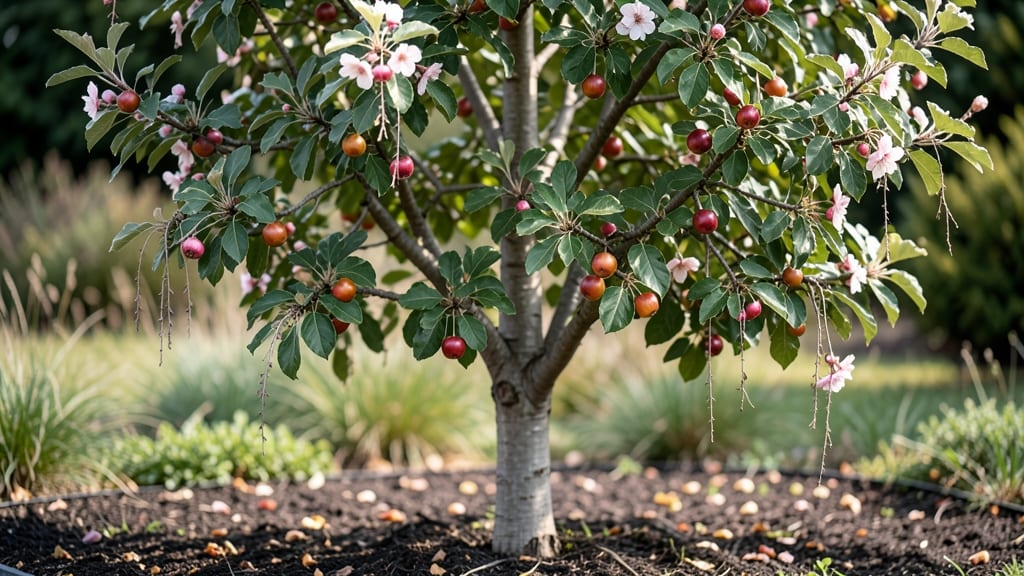
Planting a crabapple tree in Michigan means you get four-season color—spring blossoms, summer shade, fiery fall foliage, and winter interest—all while supporting local pollinators. 🌸 I’ve grown these tough beauties through Michigan winters, and the right variety makes all the difference between a struggling sapling and a showstopper that thrives in our harsh climate.
Michigan’s best crabapple varieties—like Dolgo, Adirondack, and Sargent—handle our deep freezes, resist apple scab, and stay compact enough for smaller yards. They need full sun (6+ hours daily) and well-draining soil, but don’t stress if your yard isn’t perfect: these trees adapt better than most.
Plant in early spring or fall when soil temps are cool but not frozen, and water deeply once a week until established.
Pruning in late winter keeps them healthy and shaped, while regular checks for cedar-quince rust (common here) and apple scab prevent long-term damage.
With proper care, your tree will reward you with vibrant blooms every spring and edible (but tart) fruit that birds adore—plus, the scent of blossoms in May is pure Michigan magic.
Local nurseries like Michigan Bulb or local garden centers carry cold-hardy varieties, and extension offices offer soil tests to ensure your tree gets the best start. Whether you’re planting for beauty, fruit, or wildlife, these trees deliver year after year—no matter how brutal the winter gets.
📚 In This Guide
- What you need
- Instructions
- Tips and common mistakes
- Wrapping up and next steps
What you need
- ● Pruning shears (bypass type, sharp and disinfected—1 pair for small branches)
- ● Loppers (for branches ½"–2" in diameter—long-handled for reach)
- ● Pruning saw (for thick branches 2"+—bow or folding saw recommended)
- ● Gloves (cut-resistant, gardening-grade—1 pair to protect hands)
- ● Disinfectant solution (70% isopropyl alcohol or copper-based fungicide—small spray bottle)
- ● Heavy-duty trash bags (for debris—2–3 large bags)
- ● Ladder (extendable, stable and rated for 300+ lbs—if tree is >10 ft tall)
- ○ Tree wound dressing (optional—pruning sealant for cuts >½")
- ● Weather check: Prune on a dry, calm day (avoid frost or rain within 24 hours)
- ● Tree identification: Confirm it’s a crabapple variety (e.g., ‘Adams’, ‘Dolgo’, or ‘Sargent’—common in MI)
- ● Safety gear: Safety glasses (for debris) and sturdy shoes (no sandals!)
- ● Clean workspace: Lay down tarps or cardboard under the tree to catch fallen branches
- ● Plan ahead: Sketch a rough pruning map (focus on dead, crossing, or overcrowded branches)
- ● Timing matters: Late winter/early spring (just before buds swell) is ideal for crabapples in MI—avoid heavy pruning in fall (increases disease risk!).
- ● Disease watch: Michigan’s humid climate loves fire blight—sterilize tools between every cut!
- ● Thin vs. head back: Thinning cuts (removing entire branches) improve airflow; heading back (trimming tips) encourages bushiness.
Instructions for planting cold-hardy crabapple trees in Michigan
Michigan’s harsh winters demand crabapple varieties that thrive year-round—here’s how to plant them for maximum resilience and beauty.
🌱 Step 1: Choose the Right Variety for Michigan’s Climate
Select a cold-hardy crabapple variety like ‘Dolgo’ (USDA Zones 3-8) or ‘Centennial’ (Zones 3-7), both prized for their disease resistance and vibrant fall color. These varieties withstand Michigan’s -30°F winters without losing their ornamental value. Avoid tender species like ‘Adirondack’—they struggle below Zone 5 and may not survive our deep freezes.
Check the root flare (where roots meet trunk) before purchasing. It should be visible above the soil line—this ensures proper planting depth later. I always inspect for healthy, white roots and firm, bud-filled branches. Weak or mushy roots signal poor storage or disease.
🪴 Step 2: Prepare the Planting Site for Optimal Growth
Choose a location with full sun (6+ hours daily) and well-draining soil—crabapples hate soggy roots. Amend heavy clay soil with 2-3 inches of compost mixed into the top 12 inches of native soil. Michigan’s alkaline soils often need peat moss or pine bark fines to lower pH slightly, improving nutrient uptake.
Dig a hole twice as wide as the root ball but no deeper—planting too deep suffocates roots and causes stress. Loosen the sides of the hole with a shovel to prevent soil compaction. If planting in fall, do it 4-6 weeks before first frost to allow roots to establish before winter.
💧 Step 3: Plant and Water for Immediate Stability
Place the tree in the hole so the root flare sits 2-3 inches above ground level. Backfill with native soil (not amended mix) to avoid disturbing roots. Gently tamp the soil as you fill, removing air pockets. A 2-inch layer of mulch (wood chips or shredded bark) keeps roots cool in summer and insulated in winter—just keep mulch 6 inches away from the trunk to prevent rot.
Water deeply (10-15 gallons) immediately after planting to settle the soil. You’ll know it’s right when water drains freely from the hole’s bottom. Over the next 2 weeks, water twice weekly until the tree shows new leaf growth—this signals roots have begun establishing. Avoid overhead watering; use a soaker hose to deliver moisture directly to roots.
☀️ Step 4: Prune and Protect for Long-Term Health
Prune only to remove dead or crossing branches—never top or shear crabapples. Their natural shape supports disease resistance. Apply a 2-inch layer of mulch in early spring to retain moisture and regulate soil temperature. In Michigan’s Zone 4-6, young trees benefit from tree wraps in winter to prevent sunscald (bark damage from winter sun on frozen sap).
Fertilize lightly in early spring with a balanced 10-10-10 formula—crabapples are low-maintenance but appreciate a slow-release granular fertilizer spread 6 inches from the trunk. Avoid high-nitrogen fertilizers; they promote leafy growth at the expense of fruit and structural strength.
⏰ Step 5: Monitor and Maintain for Year-Round Beauty
Inspect trees annually in late winter for cankers or scale insects—common in Michigan’s humid climate. Prune out infected branches just outside the canker’s edge and sterilize tools with 70% isopropyl alcohol between cuts. Healthy crabapples develop glossy, dark green leaves and abundant spring blooms—a sure sign your care is paying off.
In fall, remove fallen fruit promptly to deter pests and diseases. Crabapples left on the ground attract apple maggots and fungal spores, which can weaken the tree over time. A light raking keeps the base clean and improves air circulation around the roots.
Tips & tricks for planting cold-hardy crabapple trees in Michigan
These game-changing strategies will help your cold-hardy crabapple thrive through Michigan's brutal winters and flourish for decades.
Variety Selection Insight: When choosing between ‘Dolgo’ and ‘Centennial’, consider your landscape goals. ‘Dolgo’ offers striking red fruit that persists into winter, while ‘Centennial’ provides brilliant pink spring blossoms. Both handle Michigan’s -30°F winters beautifully, but ‘Dolgo’ may show slightly better disease resistance in our humid summers. I always verify the root flare is visible before buying—this simple check prevents future planting headaches.
Soil Preparation Strategy: Michigan’s alkaline soils often need pH adjustment before planting. Test your soil first—aim for a pH between 5.5 and 6.5. The 2-3 inches of compost mixed into the top 12 inches of soil creates an ideal growing environment. For heavy clay soils common in southern Michigan, add 10% sand to improve drainage while maintaining moisture. This preparation makes all the difference in root establishment.
Planting Depth Technique: Positioning the root flare 2-3 inches above ground level is critical—this prevents suffocation and promotes strong growth. I use a small wooden stake marked at the correct height to ensure proper placement. After backfilling, gently press the soil around the roots to eliminate air pockets without compacting. This technique mimics natural soil conditions and encourages rapid root development.
Winter Protection Hack: For young trees in Michigan’s Zone 4-6, wrap the trunk with tree wrap before temperatures drop below 20°F. This prevents sunscald—a common winter injury where frozen sap expands under winter sun. I also apply a 4-inch layer of mulch (double the recommended amount) around the base, extending it out to the drip line. This extra insulation protects roots during our harshest freezes.
Pro Tips for Crabapple Tree Michigan
- These game-changing strategies will help your cold-hardy crabapple thrive through Michigan's brutal winters and flourish for decades.
- Variety Selection Insight: When choosing between ‘Dolgo’ and ‘Centennial’, consider your landscape goals.
- Soil Preparation Strategy: Michigan’s alkaline soils often need pH adjustment before planting.
Frequently asked questions
Got questions about growing crabapple trees in Michigan?
Here are answers to the most common ones—so you can plant with confidence!
What’s the best time to plant a crabapple tree in Michigan?
Plant in early spring (April–May) or fall (September–October) for optimal root establishment. Avoid extreme heat or frost. Michigan’s climate favors fall planting—just water deeply afterward to help roots adjust before winter.
Which crabapple varieties thrive best in Michigan’s cold winters?
Top picks include ‘Adams’ (disease-resistant, bright red fruit), ‘Dolgo’ (compact, cold-hardy), and ‘Sargent’ (native, low-maintenance). All tolerate Michigan’s -30°F winters with ease!
How often should I prune my crabapple tree in Michigan?
Prune once a year in late winter (Feb–March) to remove dead branches and shape the tree. Thin out crossing branches to improve airflow—critical for Michigan’s humid summers to prevent fungal diseases like apple scab.
Do crabapple trees need cross-pollination to produce fruit?
Most do not—they’re self-pollinating! However, planting two varieties nearby (like ‘Adams’ + ‘Dolgo’) can boost fruit production. Michigan’s pollinators (bees, butterflies) love them, too!
Why are my crabapple leaves turning brown or falling off early?
Common causes: overwatering, fungal diseases (like cedar-apple rust), or nutrient deficiencies. Check soil moisture, treat with fungicide if needed, and fertilize in spring with balanced 10-10-10 for a healthier tree.
Can I grow a crabapple tree in a container in Michigan?
Yes, but dwarf varieties (like ‘Centennial’ or ‘Sargent’) work best. Use a large pot (15+ gallons) with drainage, and overwinter indoors or in a sheltered spot. Expect slower growth—repot every 2–3 years for root health.
Wrapping up and next steps
Growing a crabapple tree in Michigan is a rewarding way to add year-round beauty, fragrance, and even wildlife support to your landscape.
Whether you love their vibrant blooms in spring, colorful foliage in fall, or rustic charm in winter, these cold-hardy varieties thrive in your climate with the right care—especially smart pruning.
Now that you’re equipped with the best tools, techniques, and answers to common questions, it’s time to roll up your sleeves and give your tree the attention it deserves!
🌱 Next steps:
- Schedule your first pruning session in late winter or early spring (before buds swell).
- Monitor your tree’s health throughout the year and adjust care as needed.
- Share your progress with fellow gardeners—Michigan’s crabapple communities love success stories!