
Pruning
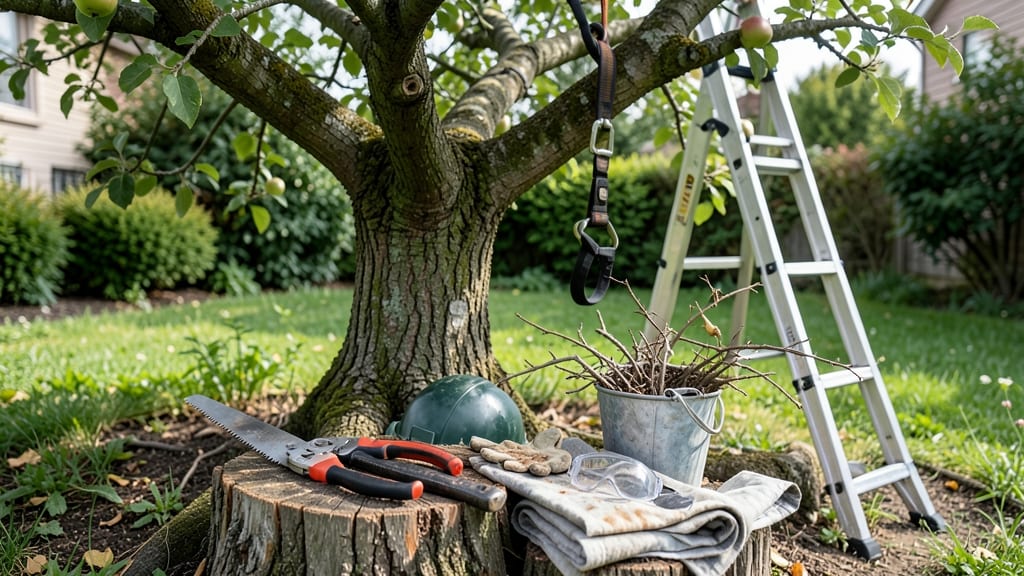
Big tree pruning isn’t just about hacking away branches—it’s about strategic cuts that keep your tree strong, safe, and standing for decades. ✂️ I’ve seen too many trees weakened by improper pruning, so I’m sharing the exact techniques that make a difference, from removing deadwood to thinning the crown without harming the tree’s structure.
The right tools—like a pruning saw for thick branches and sturdy loppers for mid-sized limbs—make all the difference. Safety gear (gloves, goggles, and a harness if you’re climbing) isn’t optional, and timing matters too: late winter or early spring is ideal for most trees.
Even a small mistake can set back years of growth, so we’ll focus on cuts that heal cleanly and encourage healthy regrowth.
By the end, you’ll know how to prune without overdoing it, leaving your tree looking balanced and thriving. The best part? Proper pruning reduces risks like falling branches while boosting airflow and sunlight for the rest of the canopy. Let’s get started—your tree (and your neighbors) will thank you.
This works for oak, maple, or pine—just adjust based on the tree’s type and size. We’ll cover common pitfalls too, like leaving stubs or cutting into the trunk, so you avoid costly mistakes. Ready to prune like a pro?
📚 In This Guide
- What you need
- Instructions
- Tips and common mistakes
- Wrapping up and next steps
What you need
- ● Pruning saw: A bow saw (24–30" blade) or pruning saw (for smaller branches). Opt for a hardened steel blade for durability.
- ● Loppers: Bypass loppers (18–24" handles) for branches up to 2" thick. Anvil loppers are cheaper but can crush wood.
- ● Pole saw: Extendable (12–16 ft) for high branches. Look for a serrated blade for clean cuts.
- ● Chainsaw: Gas-powered (for thick branches 3"+) with a sharp chain and safety features (chain brake, low-kickback bar).
- ● Pruning shears: Bypass shears (6–8") for fine trimming and small branches.
- ● Rope or climbing gear: Static rope (½" diameter), carabiners, and a harness if climbing is required.
- ● Ladder: Extension ladder (24–32 ft) rated for 375 lbs (or heavier for professional use). Use non-slip feet and stabilizer bars.
- ● Safety gear: Hard hat or safety helmet (ANSI-rated).
- ● Safety glasses with side shields or a face shield.
- ● Heavy-duty work gloves (cut-resistant, like ANSI A3 rated).
- ● Ear protection (earplugs or earmuffs for chainsaws).
- ● Steel-toe boots or logging boots with ankle support.
- ● Cleaning supplies: Rubbing alcohol or disinfectant spray (to sterilize tools and prevent disease spread).
- ● Shop rags or paper towels.
- ● Stump grinder: If you plan to remove large stumps post-pruning.
- ● Tree bag or tarp: To collect and haul debris efficiently.
- ● Chainsaw sharpening kit: Keep blades in top condition for cleaner cuts.
- ● First-aid kit: Bandages, antiseptic wipes, and a tourniquet for emergencies.
- ● Weather check: Plan for dry, calm conditions—avoid pruning during wind or rain.
Step-by-Step instructions for big tree pruning
Here's how I approach pruning large trees safely—with the right tools and technique, you'll keep them healthy for decades.
✂️ Step 1: Assess the Tree and Plan Your Cuts
Start by examining the tree from all sides. Look for dead, diseased, or crossing branches—these are your first targets. I always scan for weak branch unions (where two branches grow too closely together) and water sprouts (fast-growing vertical shoots that steal energy). Use a pruning guide or tree pruning app to visualize how cuts will affect the tree's structure.
Mark your cuts with colored tape or spray paint before climbing. This prevents over-cutting and helps you stay organized. Remember: never remove more than 25% of the tree's canopy in one season—this stresses the tree and invites pests. For large branches, plan to make three cuts (undercut, relief cut, final cut) to avoid tearing the bark.
🪴 Step 2: Gather the Right Tools and Safety Gear
Big tree pruning isn’t a job for hand pruners. You’ll need a pole saw for high branches, a chain saw for thick limbs (over 3 inches in diameter), and a sharp pruning saw for precision cuts. I always carry gloves with reinforced palms and steel-toe boots—dropping a 50-pound branch on your foot isn’t how you want to end the day.
Safety first: Wear eye protection, ear protection (chain saws are loud!), and long sleeves/pants to guard against branches and saw teeth. A harness and climbing gear are essential if you’re working above 15 feet. I keep a first-aid kit and bleeding agent (like Quick Clot) nearby—just in case. Clear the work area of people, pets, and loose debris within a 30-foot radius of the tree.
☀️ Step 3: Make Clean, Strategic Cuts
For smaller branches (under 2 inches), use bypass pruners and cut just outside the branch collar (the swollen area where the branch meets the trunk). Angle your cut slightly downward to let water run off. If you’re removing a large limb (3+ inches), start with an undercut about 12-18 inches out from the trunk. This prevents the branch from tearing bark as it falls.
Next, make a relief cut on the top side of the branch, about 2-3 inches out from the undercut. This reduces weight before the final cut. Finally, cut through the branch flush with the trunk on the outside of the branch collar. Avoid leaving a stub—it invites rot and disease. For vertical cuts, use a pruning saw to avoid splitting the branch.
⏰ Step 4: Clean Up and Monitor the Tree
After pruning, remove all debris from the ground—left-behind branches can harbor pests and diseases. I always disinfect my tools with 70% rubbing alcohol or a bleach solution (1 part bleach to 9 parts water) to prevent spreading pathogens between cuts. If you’re dealing with diseased wood, bag the debris and dispose of it in the trash (not compost).
Keep an eye on the tree over the next few weeks. Healthy pruning wounds should seal over within 1-2 growing seasons. If you see oozing sap, fungal growth, or wilting leaves, the cuts may have been too aggressive. Water the tree deeply after pruning to help it recover, especially in dry or hot weather. In late winter or early spring, the tree will send out new growth—this is a sign your pruning was successful.
🌱 Step 5: Maintain the Tree Year-Round
Big trees need regular check-ups, not just a one-time pruning. Schedule a light maintenance trim every 1-2 years to remove deadwood, weak branches, and suckers. I mark my calendar for late winter (dormant season)—this is the best time to prune because the tree isn’t actively growing, and you can see the structure clearly.
Pay attention to the tree’s growth patterns. If branches are growing too close to power lines, sidewalks, or roofs, they’ll need corrective pruning before they become hazards. Use tree growth regulators (like Paclobutrazol) if the tree is growing too fast or developing weak limbs. And finally, mulch around the base (but keep it 3-4 inches away from the trunk) to protect roots and retain moisture.
Tips & tricks for big tree pruning
Pruning big trees properly means knowing the little details that prevent big mistakes. Here's what I've learned from years of working with mature trees.
Branch Collar Precision: When making cuts in Step 3, the branch collar is your best friend. Instead of cutting flush with the trunk, focus on the swollen area where the branch meets the trunk—this is where the tree's natural healing begins. I've seen too many pruning wounds fail because they cut into the collar, leaving the tree vulnerable to disease. Use a sharp knife to trace the collar before making your final cut, and angle your saw slightly downward to let water run off naturally.
Safety Gear That Actually Works: In Step 2, don't just grab any gloves or goggles—your life depends on the right gear. I've had a chain saw kickback throw a branch that could have taken out my face if I wasn't wearing proper eye protection. Look for gloves with reinforced palms that can handle a 50-pound branch dropping on them, and ear protection rated for at least 94 decibels (chain saws easily hit 110 decibels). A lightweight first-aid kit with a bleeding agent should always be within arm's reach when you're working above 15 feet.
Three-Cut Technique for Large Limbs: The three-cut method in Step 1 and Step 3 isn't just theory—it's how you prevent tearing the bark and creating massive wounds. Start with your undercut about 12-18 inches out from the trunk, then make your relief cut on the top side before the final cut. This sequence reduces weight gradually, preventing the branch from swinging and damaging the trunk. I've seen professionals skip the relief cut and end up with a branch that tears a foot-wide strip of bark—never worth the shortcut.
Seasonal Timing Matters: While the instructions mention late winter, there's more to timing than just the season. In Step 5, I always check the moon cycle too—pruning during a waxing moon (when sap rises) helps the tree heal faster. Avoid pruning during drought or extreme heat, as the tree will struggle to recover. If you must prune in summer, do it early in the morning to reduce water loss. The few weeks after pruning are critical for monitoring, so plan your work when you can commit to checking on the tree regularly.
Pro Tips for Big Tree Pruning
- Pruning big trees properly means knowing the little details that prevent big mistakes.
- Branch Collar Precision: When making cuts in Step 3, the branch collar is your best friend.
- Safety Gear That Actually Works: In Step 2, don't just grab any gloves or goggles—your life depends on the right gear.
Frequently asked questions
Got questions about big tree pruning? You’re not alone! Here are answers to the most common concerns—from timing to tools and everything in between.
When is the best time of year to prune a big tree?
The ideal time is late winter or early spring (just before buds swell) when the tree is dormant but about to grow. Avoid pruning in fall—it stresses trees and invites pests. For evergreens, prune in early spring or summer to prevent winter dieback.
Can I prune a big tree myself, or should I hire a professional?
Small branches or light shaping? DIY with proper tools and safety gear. But for large limbs, diseased trees, or work over 20 feet high, hire a certified arborist. Falls and equipment mishaps are real risks—when in doubt, outsource!
What’s the difference between topping and proper pruning?
Topping
(cutting back to a stub) is a last resort—it weakens trees, invites decay, and creates hazardous regrowth. Proper pruning removes specific branches at the branch collar to encourage healthy growth and structural integrity. Think strategic cuts, not hack jobs!
How do I know if my tree is diseased after pruning?
Watch for oozing sap, discolored leaves, or fungal growth at pruning wounds. If you see mushrooms at the base or dead branches, act fast—sterilize tools, remove infected limbs, and consult an arborist. Prevention tip: Prune during dry weather to reduce infection risks.
Is there a cost-effective way to prune big trees on a budget?
Start with DIY maintenance (removing deadwood, thinning dense areas) and rent equipment (like pole saws) for hard-to-reach branches. For pro help, get multiple quotes and prioritize critical cuts over cosmetic pruning. Split costs with neighbors if trees border properties!
Wrapping up and next steps
Big tree pruning isn’t just about aesthetics—it’s a critical investment in your tree’s health, safety, and longevity. By following strategic cuts, timing, and proper techniques, you can prevent hazards, boost growth, and even enhance your landscape’s beauty. 🌳✨
Ready to take action? Start by assessing your trees today—look for dead branches, overgrowth, or signs of disease. If a job feels too big, don’t hesitate to call a certified arborist. Every small step keeps your trees—and your property—thriving for years to come!