
Pruning
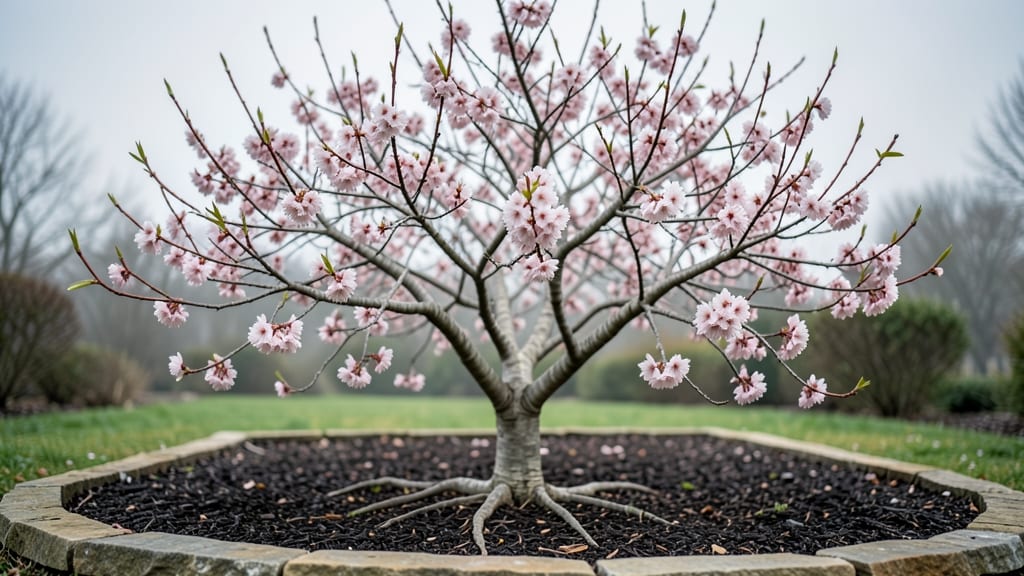
Winter pruning your okame cherry tree isn't just about shaping—it's about unlocking next year's spectacular blooms. ✨ These cold-hardy beauties store flower buds over winter, so careful thinning now ensures vibrant pink bursts in spring.
I’ve learned that aggressive cuts backfire; instead, we focus on airflow and structure to keep the tree healthy through frost. The key is timing: prune after the worst winter chill passes but before buds swell—usually late February to early March in most zones.
You’ll need sharp pruners, gloves, and a ladder for taller branches. The goal is to remove 10-20% of the canopy, targeting inward-growing branches and crossing limbs that block sunlight.
What you’ll end up with is a tree that resists winter dieback and produces denser, more abundant blooms than unpruned neighbors. The flowers arrive earlier, too, often weeks ahead of other cherries. Just avoid cutting into old wood—new growth is where the magic happens.
This method works for both young trees and mature specimens, though older trees may need gradual thinning over a few years. The payoff? A tree that thrives through winter and greets spring with a dazzling display. Let’s get to it!
📚 In This Guide
- What you need
- Instructions
- Tips and common mistakes
- Wrapping up and next steps
What you need
- ● Bypass pruning shears: Sharp, clean shears (10–12" blades) for cuts up to ½" in diameter. Pro tip: Disinfect with rubbing alcohol between cuts to prevent disease spread! 💡
- ● Loppers: 1 pair (18–24" handles) for thicker branches (½"–2" diameter). Look for ratcheting or bypass styles for precision.
- ○ Pruning saw: 1 handheld saw (with a fine-tooth blade) for branches over 2" in diameter. Optional: A foldable saw for portability.
- ● Extension pole saw: 1 (10–12' reach) for high branches—saves your neck and time! 🌟
- ● Gloves: 1 pair of cut-resistant gardening gloves (nitrile-coated for grip and protection).
- ● Safety glasses: 1 pair to shield eyes from debris.
- ● Ladder: 1 sturdy, non-slip ladder (if your tree is over 8' tall). Pro tip: Use a spotter for stability! 🔥
- ○ Disinfectant: 1 bottle of 70% isopropyl alcohol or a pruning sealant (optional but recommended).
- ● Heavy-duty trash bags: 2–3 bags (30-gallon size) for collecting pruned branches.
- ● Rake or tarp: 1 rake or a waterproof tarp to clean up debris afterward.
- ● Timing: Prune during the tree’s dormant season (late winter, before buds swell). Ideal temps: above 40°F but below blooming time.
- ● Weather: Choose a dry, calm day (no rain or wind forecasted for 24 hours).
- ● Safety first: Wear long sleeves/pants to avoid scratches from thorns. Pro tip: Check for nesting birds before pruning—avoid cutting during active nesting seasons! ✨
- ● Tree health check: Inspect the tree for diseased or dead branches (brown, brittle, or oozing sap) before starting.
- ● Plan ahead: Sketch a rough pruning map of branches to remove (aim for 20–30% thinning total).
Step-by-Step guide to winter pruning your Okame cherry tree
Let’s transform your tree’s structure while protecting its delicate blooms for next spring.
🌿 Step 1: Assess the Tree’s Structure and Identify Branches to Remove
Start by examining your Okame cherry tree in late winter—just after the worst cold snaps but before buds swell. Look for branches that cross or rub against each other, grow inward, or are dead (brown, brittle, or missing bark). These are your first targets for removal. I also scan for branches thinner than a pencil—they won’t support heavy blossoms and should go.
Use your hand as a guide: if a branch is smaller than your thumb at the base, it’s likely weak. Healthy branches should have a smooth, slightly tapered shape and a consistent color. Mark these branches with a small piece of twine or a flagging tape so you don’t miss them during pruning. This step ensures you’re only removing what’s necessary, leaving the tree’s natural shape intact.
✂️ Step 2: Prune for Airflow and Light Penetration
Begin by removing the marked branches first, cutting just outside the branch collar—the swollen area where the branch meets the trunk. Use clean, sharp pruning shears to make a 45-degree angle cut, slanting away from the branch collar. This prevents water from pooling and rotting the wound. For thicker branches over ½ inch in diameter, use loppers or a pruning saw.
Focus on thinning the canopy from the inside out. Aim to remove 20-30% of the tree’s total branches, prioritizing those that block light or airflow. You’ll know you’re doing it right when you can see light filtering through the branches and air moving freely around the center. Avoid “heading back” (cutting back to a bud)—Okame cherries respond poorly to this and may produce fewer blooms.
🌱 Step 3: Clean Up and Protect the Tree
After pruning, gather all the clippings and dispose of them in a sealed bag or burn them. Never leave pruned branches on the ground—they can harbor pests or diseases that will infect your tree. Sterilize your pruning tools with rubbing alcohol or a 10% bleach solution to prevent spreading pathogens between cuts.
Apply a thin layer of wound sealant to any large cuts over ¾ inch in diameter, but skip it for smaller wounds—Okame cherries heal best when left open to air. Water the tree deeply to help it recover, especially if winter was particularly dry. Mulch around the base with 2-3 inches of organic mulch, keeping it a few inches away from the trunk to prevent rot.
⏰ Step 4: Monitor for New Growth and Adjust as Needed
In early spring, check for new shoots emerging from old wood. These are a sign your tree is responding well to the pruning. If you see any suckers (shoots growing from the base or roots), remove them immediately—they drain energy from the tree’s main structure. Prune any water sprouts (fast-growing, vertical shoots) as soon as they appear, cutting them back to a lateral bud or branch.
By mid-spring, you should see buds swelling along the remaining branches. If you notice any branches that didn’t bloom as expected, they may need another round of light pruning in late summer to encourage next year’s flowers. Keep an eye out for signs of stress, like yellowing leaves or wilting, and adjust your watering or care routine accordingly.
Tips & tricks for perfect winter Okame cherry tree pruning
Winter pruning can make all the difference in how your Okame cherry tree blooms next spring—here’s how to get it right.
Timing is Everything: The late winter window—after the worst cold snaps but before buds swell—is your only chance to prune without stressing the tree. I’ve seen trees bloom poorly after pruning too early (when buds are still dormant) or too late (when new growth starts). Look for that perfect moment when days are still cold but the tree is waking up.
Branch Thickness Matters: That pencil-thin branch rule in Step 1 is a game-changer. Branches smaller than your thumb won’t support the weight of blossoms or fruit, and they’ll just create more work for you next year. If you’re unsure, hold the branch between your thumb and forefinger—if it feels like a toothpick, it’s too weak to keep.
Cutting Technique Prevents Disease: The 45-degree angle cut in Step 2 isn’t just about looks—it’s about letting water run off the wound instead of pooling. I’ve seen too many trees develop rot from improper cuts. For branches over ½ inch thick, use loppers and make the cut just outside the branch collar. If you’re using a pruning saw, take your time—rushing can tear the bark and invite pests.
Post-Pruning Care Keeps Your Tree Healthy: After cleaning up, that 2-3 inches of mulch in Step 3 isn’t just decoration. It helps regulate soil temperature and retains moisture, which is especially important if winter was dry. Just remember to keep it a few inches away from the trunk to prevent rot. And sterilizing your tools between cuts? It’s not optional—it’s how you prevent spreading diseases like silver leaf fungus.
Pro Tips for Okame Cherry Tree In Winter
- Winter pruning can make all the difference in how your Okame cherry tree blooms next spring—here’s how to get it right.
- Timing is Everything: The late winter window—after the worst cold snaps but before buds swell—is your only chance to prune without stressing the tree.
- Branch Thickness Matters: That pencil-thin branch rule in Step 1 is a game-changer.
Frequently asked questions
Why should I prune my Okame cherry tree in winter instead of spring or fall?
Winter pruning (dormant season) is ideal because the tree isn’t actively growing, so it recovers faster. Pruning in late winter (just before buds swell) minimizes stress and disease risk. Avoid pruning in fall—it can encourage late-season growth vulnerable to frost damage, while spring pruning disrupts bloom formation.
How cold is too cold to prune an Okame cherry tree?
Prune when temperatures are above freezing (ideally between 30–50°F) to avoid shocking the tree. If your area experiences hard freezes (<32°F), wait until a mild, dry day after the worst cold passes. Pro tip: Prune on a sunny day to help wounds dry quickly, reducing rot risk.
Can I prune too much of my Okame cherry tree at once?
Yes! Over-pruning (removing more than 25–30% of the canopy) stresses the tree and may reduce next year’s blooms. For young trees, limit cuts to 10–15% per year. Focus on thinning (removing entire branches) rather than topping (cutting back to stubs), which harms the tree’s structure.
Will pruning my Okame cherry tree affect its spring flowers?
Pruning correctly enhances blooms by improving airflow and sunlight penetration. However, avoid heavy pruning in the year before a big bloom—Okame cherries flower on last year’s wood. Thin out 1–2 older branches per year to maintain balance while encouraging new growth for future flowers.
What should I do if my Okame cherry tree has dead or diseased branches after pruning?
If you spot blackened, mushy, or oozing cuts post-pruning, sterilize your tools with rubbing alcohol and prune 6–12 inches below the affected area. Apply pruning sealant (optional) to large wounds over 2 inches in diameter to prevent decay. Monitor the tree for fungal signs (like powdery mildew) and treat with copper fungicide if needed.
Wrapping up and next steps
The okame cherry tree in winter is a stunning sight—its delicate branches and dormant beauty hint at the vibrant blooms to come. By mastering winter thinning, you’re not just pruning; you’re shaping a healthier, more radiant tree that will reward you with explosive spring color. 🌸
Ready to take action? Grab your tools, step outside, and give your okame cherry tree the care it deserves—your future blooms will thank you! For extra inspiration, join gardening forums or snap photos of your progress to track its transformation.