
Landscaping
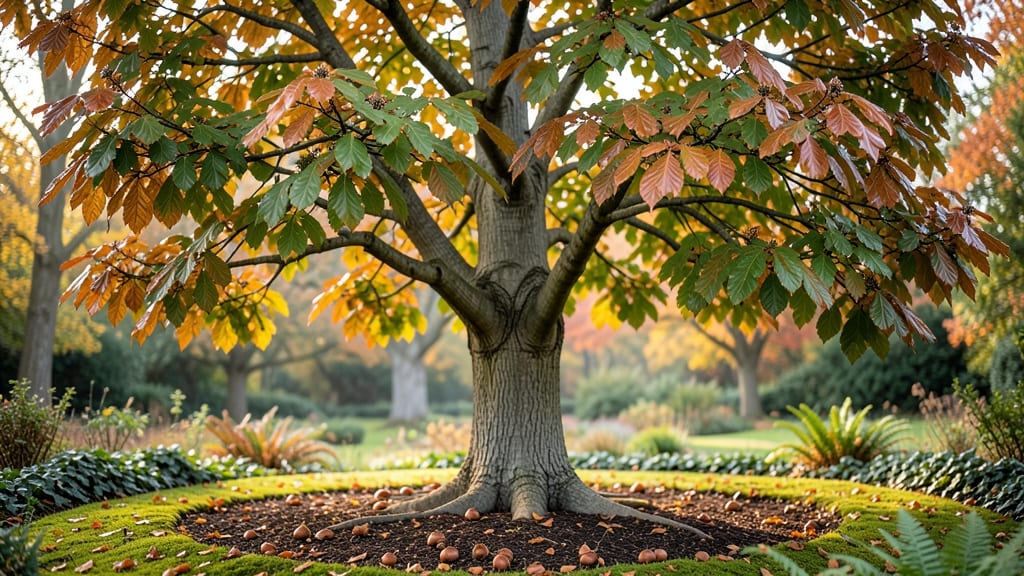
Beech tree landscaping transforms any yard into a four-season masterpiece with their striking copper fall foliage and sturdy branches. 🌳 I planted mine 10 years ago, and now it anchors my entire landscape—providing winter interest, summer shade, and that unmistakable golden glow when autumn arrives.
The key to success starts with placement: beech trees thrive in full sun to partial shade and prefer well-drained, slightly acidic soil. Space them 30-50 feet apart for mature size, and avoid planting near sidewalks—their roots spread aggressively.
Pair them with low-maintenance perennials like hostas or ferns for contrast, or use them as focal points near patios where their dappled shade creates a cozy atmosphere.
What you'll love most is how they perform year-round: silvery bark adds texture in winter, spring flowers provide early pollinator support, and those iconic copper leaves create a dramatic backdrop for summer blooms.
The trees grow slowly but steadily, making them perfect for long-term landscape planning without the high-maintenance demands of faster-growing species.
For best results, mulch annually to protect roots and prune only to shape—never to remove large branches. Their natural form is already stunning. Whether you're designing a formal garden or a natural woodland edge, beech trees deliver unmatched seasonal interest with minimal effort once established.
📚 In This Guide
- What you need
- Instructions
- Tips and common mistakes
- Wrapping up and next steps
What you need
- ● Beech tree seedlings or saplings: Choose between Fagus sylvatica (European beech) or Fagus grandifolia (American beech). Opt for 3–5 gallon containers for mature trees or 1–3 gallon for younger plants (1–3 ft tall). Quantity: 1–5+ depending on design.
- ● High-quality soil: Mix 50% native soil with 50% compost or a balanced organic potting mix (e.g., Miracle-Gro Garden Soil). For poor soil, amend with 1–2 inches of peat moss or coconut coir.
- ○ Mulch: 3–4 inches of wood chips or shredded bark (avoid dyed mulch). Optional: Pine straw for a natural look.
- ● Tree stakes & ties: 2–3 stakes per tree (6 ft tall, ½-inch diameter) + soft fabric ties (e.g., Tree Ties by Tree Tamer).
- ○ Slow-release fertilizer: 10–10–10 or 20–20–20 NPK ratio (apply at planting and early spring). Optional: Organic options like fish emulsion.
- ● Digging tools: Shovel (round-point or spade)
- ● Trenching shovel (for larger plantings)
- ● Post-hole digger (for tree stakes)
- ● Measuring & marking: Tape measure, stakes + string, and spray paint (for layout).
- ● Watering: Garden hose with adjustable nozzle + soaker hose (for deep watering).
- ● Safety gear: Gloves, knee pads, and safety glasses.
- ● Location: Full sun to partial shade (6+ hours of sunlight daily). Avoid areas with competition from aggressive roots (e.g., nearby sidewalks or foundations).
- ● Spacing: Tree Size at Maturity Recommended Spacing 20–30 ft tall 20–25 ft apart 30–40 ft tall 30–40 ft apart
- ● Soil test: Check pH (6.0–7.0 ideal) and nutrient levels via a local extension office kit or Luster Leaf test.
- ● Permits: Verify local regulations for large tree planting (some areas require permits for species over 30 ft tall).
- ● Season: Plant in early spring or fall (avoid extreme heat/cold).
Step-by-step guide to planting and maintaining beech trees for year-round landscaping
Here's how to plant and care for beech trees to create a stunning, low-maintenance focal point that thrives through all seasons.
🌱 Step 1: Select and Prepare the Planting Site
Beech trees thrive in well-drained soil with full sun to partial shade, though they tolerate some shade better than many other hardwoods. Choose a location with at least 6 hours of direct sunlight daily for optimal growth and that signature coppery fall color. Avoid low spots where water pools—beech roots despise soggy conditions.
Test your soil's drainage by digging a 12-inch deep hole and filling it with water. If it drains completely within 2 hours, your site is ready. Amend heavy clay soil with 2-3 inches of compost mixed into the top 12 inches of soil. This improves aeration and nutrient availability without overwhelming the tree's root system.
🪴 Step 2: Dig the Hole and Plant the Tree
Dig a hole twice as wide as the tree's root ball but no deeper—beech trees establish best when planted at the same depth they grew in the nursery. Remove the tree from its container and gently loosen the roots if they're circling. Place the tree in the hole, ensuring the top of the root flare (where roots meet trunk) sits 1-2 inches above ground level—this prevents water from pooling at the trunk.
Backfill the hole with native soil, tamping down lightly every 6 inches to eliminate air pockets. Water deeply to settle the soil, then create a 4-inch high berm around the perimeter to direct water toward the roots. Mulch with 2-3 inches of wood chips, keeping the mulch 6 inches away from the trunk to prevent rot. This mulch ring retains moisture and regulates soil temperature for young trees.
☀️ Step 3: Water and Fertilize for Establishment
Water your newly planted beech tree deeply twice weekly for the first two months, then taper to once weekly during dry spells. You'll know it's getting enough water when the soil 2-3 inches below the surface stays consistently moist but not soggy. Overwatering is the fastest way to kill a beech tree—always let the top 1-2 inches dry out between waterings.
Skip fertilizer for the first year unless your soil test reveals deficiencies. If needed, apply a balanced 10-10-10 fertilizer in early spring at half the recommended rate. Beech trees are slow to establish but grow steadily once settled. By year three, they'll develop a strong root system that requires less frequent watering and minimal intervention.
✂️ Step 4: Prune for Structure and Health
Prune your beech tree in late winter or early spring before new growth begins. Remove any dead, diseased, or crossing branches first, then thin the canopy to improve airflow. Beech trees develop their iconic rounded shape naturally, so minimal pruning is needed—just lightly shape to maintain symmetry and remove any branches growing toward the center.
Never remove more than 25% of the canopy in a single year, as this stresses the tree. Use clean, sharp pruners to make cuts just outside the branch collar (the swollen area where the branch meets the trunk). Seal larger wounds with pruning sealant to prevent disease entry. Regular pruning ensures your beech tree maintains its majestic form while resisting pests and diseases.
🌿 Step 5: Mulch and Monitor Long-Term Care
Refresh the 2-3 inch mulch layer annually in early spring, adding fresh wood chips to maintain moisture and suppress weeds. Keep mulch 6 inches from the trunk to prevent rot and rodent issues. Beech trees are relatively low-maintenance once established, but monitor for beech leaf disease (a fungal infection causing dark spots and leaf drop) common in many regions.
If you notice symptoms, remove and destroy infected leaves immediately and apply a copper-based fungicide in early spring as a preventative measure. Mature beech trees develop thick, smooth bark that resists pests, but young trees may attract borers. Inspect the trunk annually for small holes or sawdust-like frass—early detection makes treatment far easier.
Tips & tricks for perfect beech tree landscaping
Creating a thriving beech tree landscape requires attention to detail—here’s how to avoid common pitfalls and maximize your tree’s potential.
The Right Location Matters: While beech trees tolerate partial shade, they truly shine with at least 6 hours of direct sunlight daily for optimal fall color. Test drainage thoroughly—if water doesn’t drain within 2 hours in your test hole, amend the soil with 2-3 inches of compost mixed into the top 12 inches to prevent root rot. This small step makes all the difference in long-term health.
Planting Depth is Critical: Position the root flare 1-2 inches above ground level—never bury it. I’ve seen many gardeners plant too deep, which suffocates the roots and leads to poor establishment. After backfilling, create a 4-inch berm around the perimeter to direct water toward the roots, not away from them.
Watering Wisdom: The first two months are crucial—water deeply twice weekly, ensuring the soil 2-3 inches down stays moist but not soggy. Overwatering is the #1 killer of young beech trees, so always let the top 1-2 inches dry out between waterings. A moisture meter helps if you’re unsure.
Pruning Precision: When pruning in late winter, never remove more than 25% of the canopy in one year. Use sharp tools to make clean cuts just outside the branch collar, and seal larger wounds with pruning sealant. This protects against disease and maintains the tree’s natural, elegant shape.
Pro Tips for Beech Tree Landscaping
- Creating a thriving beech tree landscape requires attention to detail—here’s how to avoid common pitfalls and maximize your tree’s potential.
- The Right Location Matters: While beech trees tolerate partial shade, they truly shine with at least 6 hours of direct sunlight daily for optimal fall color.
- Planting Depth is Critical: Position the root flare 1-2 inches above ground level—never bury it.
Frequently asked questions
Got questions about transforming your space with beech trees? You’re not alone! Here are some of the most common queries—and their answers—to help you plan with confidence.
How fast do beech trees grow, and when will I see significant landscaping impact?
Beech trees grow at a moderate pace, averaging 12–24 inches per year under ideal conditions. While they won’t provide instant shade, you’ll notice noticeable height and canopy development within 5–10 years. Patience pays off—mature beech trees offer year-round structure and stunning fall foliage!
Are beech trees low-maintenance, or do they need special care?
Beech trees are relatively low-maintenance, but they do appreciate well-draining soil and regular watering in their first few years. Once established, they’re drought-tolerant but benefit from occasional mulching to retain moisture. Prune sparingly to maintain their iconic rounded shape—avoid heavy trimming, as beech trees bleed sap when cut.
What’s the best time to plant a beech tree for optimal growth?
The ideal planting window is early spring or fall, when temperatures are mild and rainfall is consistent. Avoid planting in summer heat or winter frost, as extreme conditions can stress young trees. Spring planting gives roots time to establish before summer, while fall allows them to settle before dormancy.
Can beech trees be grown in containers, or are they better suited for ground planting?
While beech trees can be grown in large containers (with proper drainage and soil), they’re best suited for ground planting. Their extensive root systems thrive when spread out, and container-grown beech trees may struggle to reach their full potential. If space is limited, consider dwarf varieties like ‘Cupreessence’ or ‘Purple Leaf’ for smaller landscapes.
What pests or diseases should I watch for in beech trees?
Beech trees are generally resistant to pests, but keep an eye out for beech leaf disease (a fungal issue causing leaf browning) and beech scale (a sap-sucking insect). To prevent problems, inspect leaves regularly, avoid overwatering, and maintain good air circulation. If issues arise, consult a local arborist for targeted treatments.
How can I complement beech trees in my landscape design?
Beech trees pair beautifully with evergreens (like pine or rhododendron) for year-round interest, spring bulbs (daffodils or tulips) for early color, and shade-tolerant perennials (hostas or ferns) beneath their canopy. For contrast, plant ornamental grasses or deciduous shrubs to highlight their dramatic fall foliage.
Wrapping up and next steps
Incorporating beech tree landscaping into your outdoor space is a fantastic way to enjoy year-round beauty and structure—from the bold foliage of summer to the stunning winter hues of copper and bronze.
These trees are low-maintenance yet high-impact, offering shade, wildlife benefits, and a touch of elegance that transforms any yard. Whether you’re a seasoned gardener or just starting, beech trees are a rewarding choice for both aesthetics and practicality.
Ready to get started? Sketch a quick plan of where you’d like your beech tree(s) to thrive, then reach out to a local nursery or arborist for expert advice on varieties and planting tips. Your future landscape will thank you! 🌳✨