
Pruning
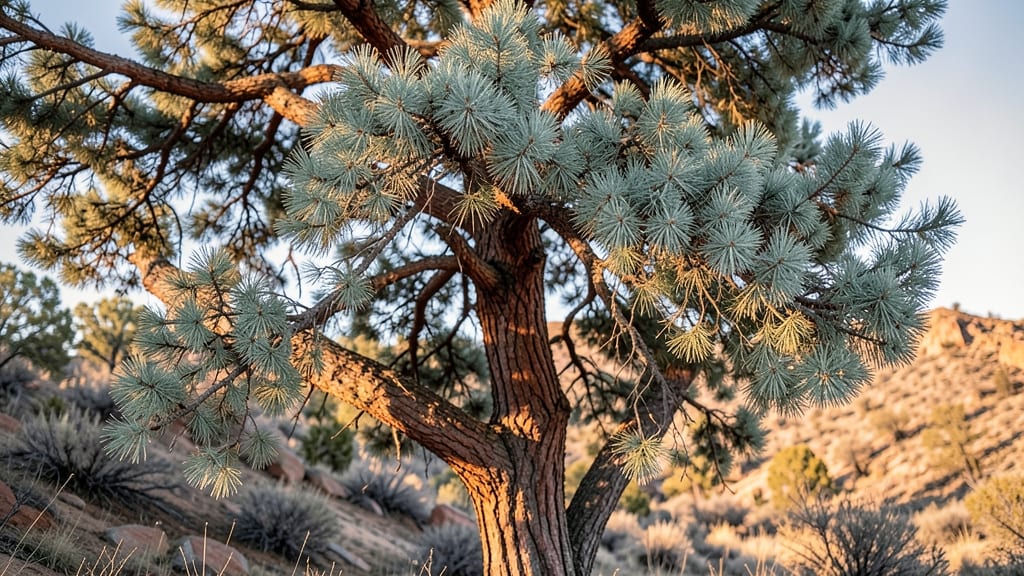
Arkansas’ diverse ecosystems support stunning native trees that thrive year-round. These 10 species offer beauty, resilience, and ecological benefits for gardens, parks, and urban landscapes.
Southern Magnolia Trees for Year-Round Elegance
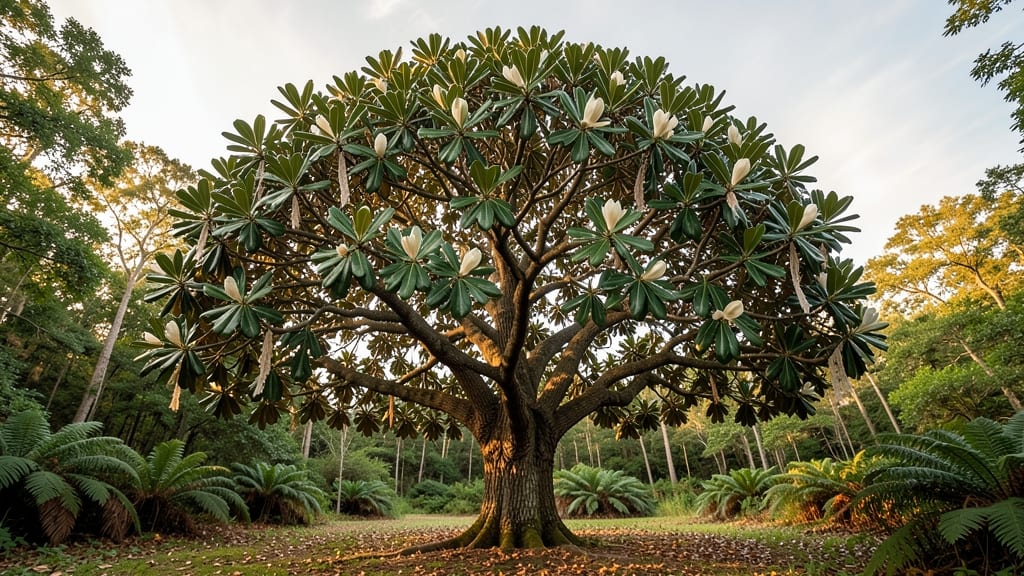
Looking for a tree that delivers year-round drama with minimal effort? The Southern magnolia (Magnolia grandiflora) is Arkansas’ crown jewel—its glossy, evergreen leaves and fragrant white blooms create a timeless focal point that thrives in the state’s humid summers.
This iconic evergreen grows 40-80 feet tall, making it perfect for formal landscapes or as a privacy screen along property lines. Its thick, leathery leaves repel pests naturally, while the creamy-white flowers (up to 8 inches wide!) release a sweet, citrusy fragrance in late spring. For best results, plant in well-drained, acidic soil with morning sun and afternoon shade—though it tolerates full sun in cooler climates.
Landscapers in Arkansas love magnolias for their low-maintenance elegance, but they’re especially rewarding for those who appreciate scented blooms and winter interest. Just be prepared for the messy seed pods—they’re a trade-off for this tree’s unmatched grandeur. 🌟
Pawpaw Trees for Unique Fruit and Shade
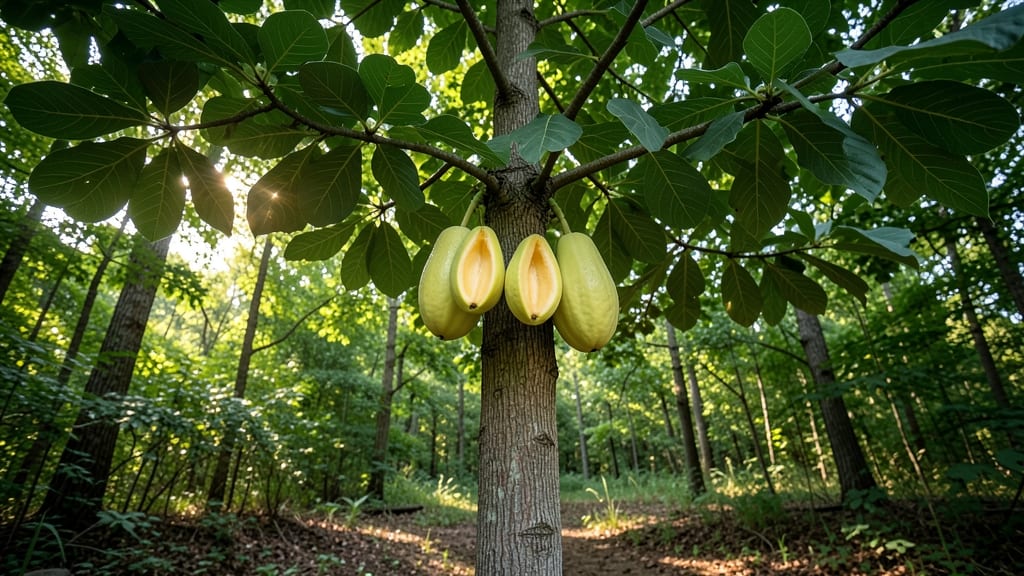
Looking for a tree that delivers both shade and a tropical-tasting fruit? The pawpaw tree (Asimina triloba) is Arkansas’ only native fruit tree, offering creamy, banana-mango-flavored fruit that ripens in late summer—plus lush, dense shade perfect for woodland gardens.
These trees thrive in moist, well-drained soil and partial shade, making them ideal for understory planting or along forest edges. With heart-shaped leaves and fragrant maroon flowers in spring, pawpaws also attract pollinators like bees and flies. For best results, plant in spring or early fall and space trees 15–20 feet apart to allow for their spreading canopy.
Perfect for homesteaders, permaculture enthusiasts, and anyone craving a unique edible landscape, pawpaws are a low-maintenance way to enjoy both beauty and harvest. 🌟
Eastern Redbud Trees for Spring Color Bursts
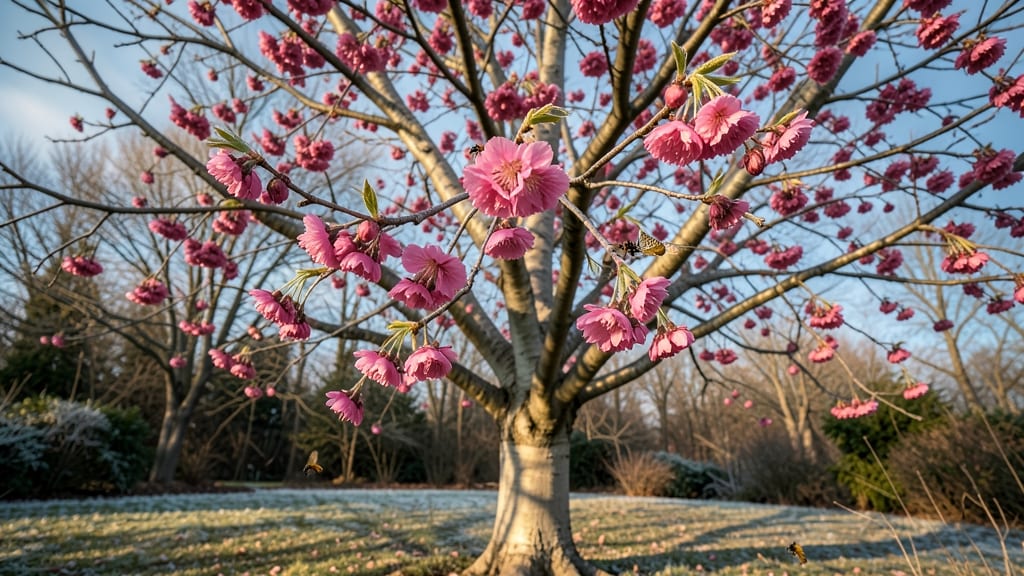
When your garden feels dormant in late winter, the Eastern Redbud arrives like a burst of color, announcing spring with its vibrant pink blooms before most other trees even think about leafing out. This Arkansas native is a pollinator magnet, attracting bees and butterflies as soon as the flowers open in early March.
Thriving in partial shade to full sun, Eastern Redbuds adapt to almost any soil type, making them perfect for small spaces, woodland edges, or even urban landscapes. Their heart-shaped leaves emerge after flowering, creating a layered display that lasts through summer. Prune lightly after blooming to maintain shape, but avoid heavy trimming—these trees naturally form a graceful, multi-trunk form.
Perfect for gardeners who want low-maintenance beauty with high impact, Eastern Redbuds also support local ecosystems by providing early-season nectar. Plant one as a focal point near your patio or along a border for a springtime show that’s hard to beat. 🌟
Shortleaf Pine Trees for Native Forest Restoration
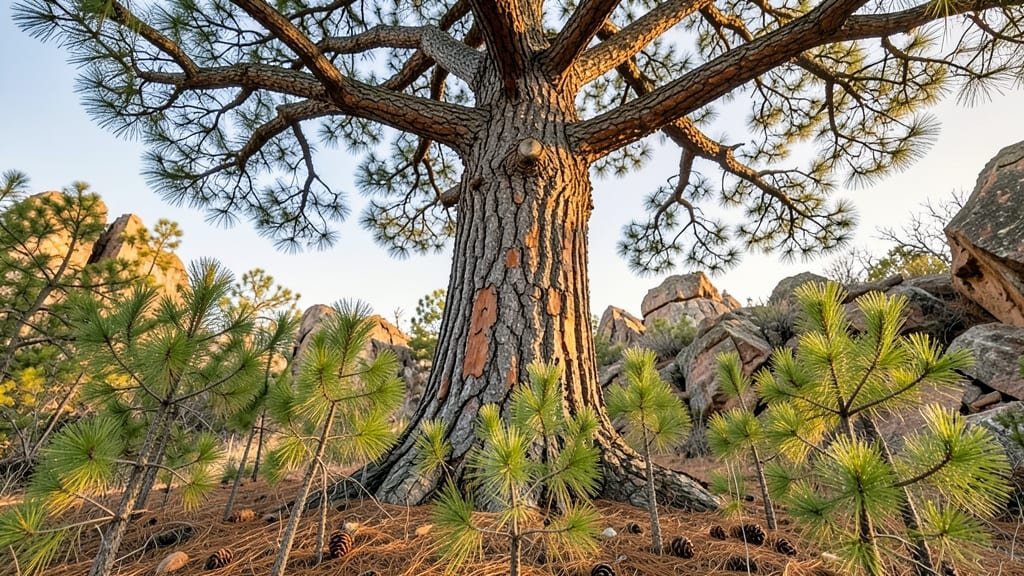
If you're looking to restore native ecosystems or create a low-maintenance landscape, shortleaf pine (Pinus echinata) is Arkansas's hidden champion. This fast-growing evergreen thrives in the state's hot summers and rocky soils, making it ideal for reforestation projects and wildlife habitats.
Native to Arkansas's Ozark and Ouachita Mountains, shortleaf pines grow 2-3 feet per year and tolerate drought conditions once established. Their deep root systems stabilize soil, preventing erosion on slopes and riverbanks. Plus, their pinecones and needles provide food and shelter for birds, squirrels, and insects, supporting biodiversity.
Perfect for landowners restoring woodlands or gardeners seeking resilient, native evergreens, shortleaf pines require minimal care after planting. They're especially valuable for traditional Arkansas landscapes where native species are prioritized. 🌟
American Holly Trees for Evergreen Privacy
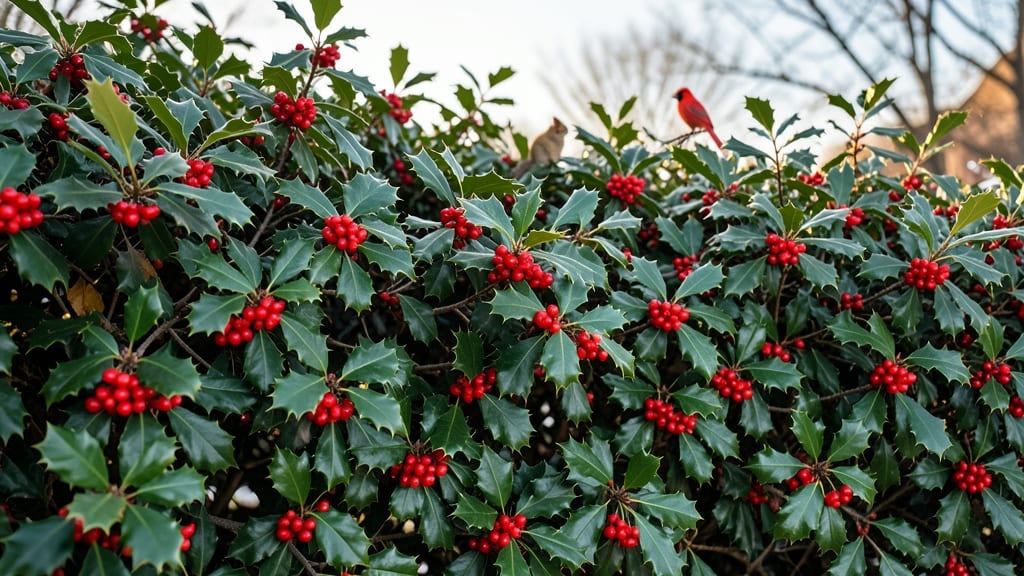
Need a year-round privacy screen that doubles as a wildlife buffet and holiday centerpiece? American holly (Ilex opaca) delivers with its spiky, glossy leaves and clusters of bright red berries that persist through winter. Unlike other evergreens, holly’s dense foliage creates natural barriers while adding seasonal color—ideal for hedges, foundation plantings, or mixed borders.
This drought-tolerant tree thrives in Arkansas’ climate, handling both full sun and partial shade. For best results, plant in well-draining soil and space 6–10 feet apart for hedges. Prune in late winter to maintain shape, and watch birds like cardinals and robins feast on the berries—while you harvest branches for festive garlands. 🌟
Perfect for homeowners seeking low-maintenance structure, wildlife gardeners, or anyone who loves a tree that works hard all year. The berries even add a pop of color to winter landscapes! 🌱
Sweetgum Trees for Dramatic Fall Foliage
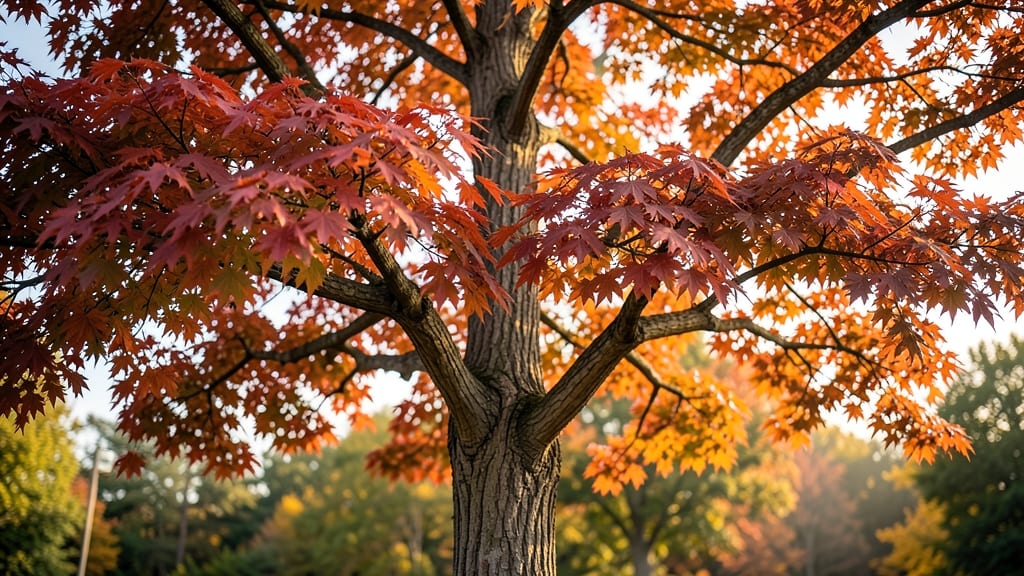
Want a tree that transforms your landscape into a fiery autumn masterpiece? The sweetgum tree delivers with its distinctive star-shaped leaves that blaze in fiery reds, purples, and oranges—far more dramatic than most maples. This native Arkansas beauty thrives in both rural properties and urban streetscapes, making it a standout seasonal performer.
Sweetgums are adaptable, tolerating a wide range of soils from clay to sandy loam, and they handle both wet and dry conditions once established. Their fast growth rate (up to 3 feet per year) means you'll see that bold fall color in just a few seasons. Just be prepared for the iconic spiky seed pods that cover the ground—though they add to the tree's rustic charm.
Perfect for homeowners who want low-maintenance seasonal drama, sweetgums also attract wildlife like birds and squirrels that feast on their seeds. Plant one as a statement piece in your yard or along city streets for a guaranteed autumn spectacle. 🌟
Oak Trees for Arkansas’ Iconic Canopies
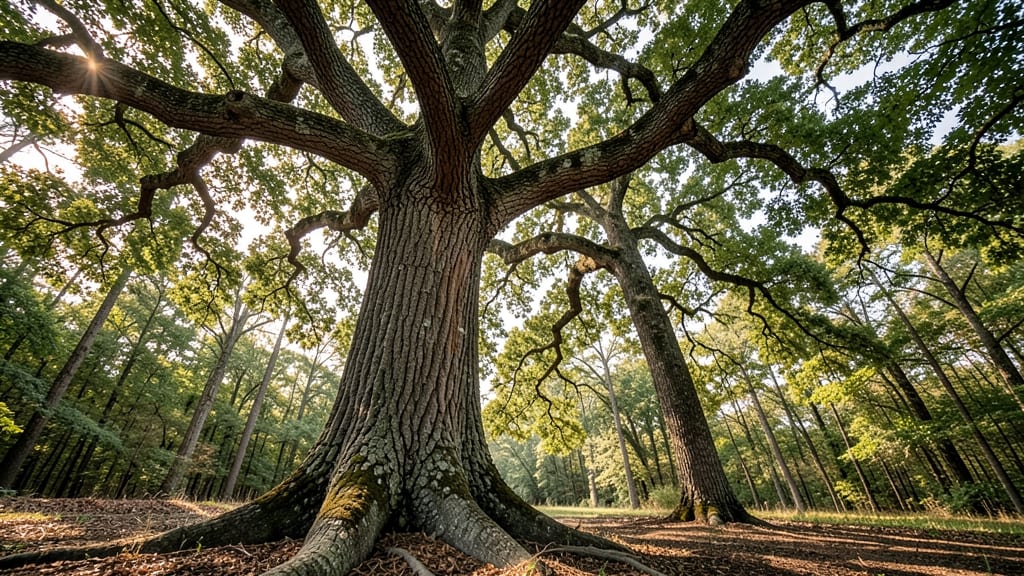
Want a tree that’s as sturdy as Arkansas’ own landscapes? White and post oaks are the backbone of the state’s forests, offering centuries of shade, wildlife sustenance, and unmatched structural beauty. These slow-growing giants thrive in Arkansas’ humid climate and acidic soils, making them a low-maintenance choice for both rural and urban settings.
White oaks produce edible acorns that feed squirrels, deer, and birds, while their deep taproots stabilize soil and reduce erosion. Post oaks, with their distinctive ridge-and-groove bark, add texture to landscapes and tolerate drought once established. Plant them in full sun with well-draining soil and space them 30-50 feet apart for mature growth.
Perfect for homeowners seeking timeless shade or landowners restoring native ecosystems, these oaks reward patience with generations of beauty and function. 🌟
Fringe Trees for Delicate Spring Blooms
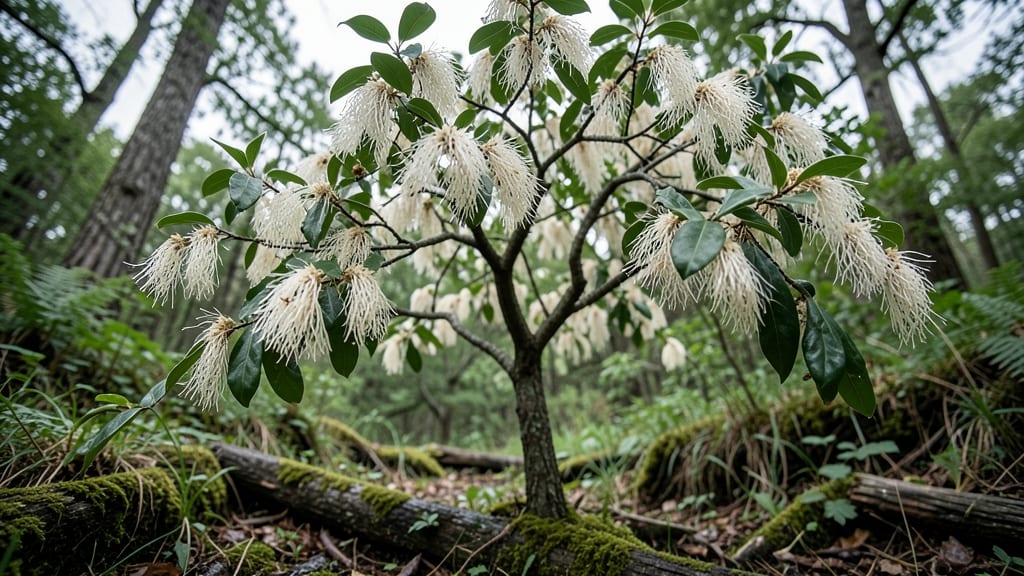
If you're looking for a tree that transforms soggy corners into pollinator magnets, fringe trees (Chionanthus virginicus) are your answer. Their ethereal, white fringe-like blooms appear in late spring, creating a dreamy, airy display that hummingbirds and bees adore—without demanding constant attention.
Thriving in moist, well-drained soils, fringe trees handle Arkansas’ wet springs like a champ, making them perfect for rain gardens or near ponds. They tolerate partial shade but shine brightest in full sun to light shade, reaching 15–20 feet tall with a rounded form. Prune lightly after flowering to maintain shape, but otherwise, they’re nearly self-sufficient.
This low-maintenance beauty is ideal for gardeners who want spring color without the fuss of high-maintenance shrubs. Perfect for borders, woodland edges, or as a focal point in pollinator gardens! 🌿
Black Cherry Trees for Wildlife and Shade
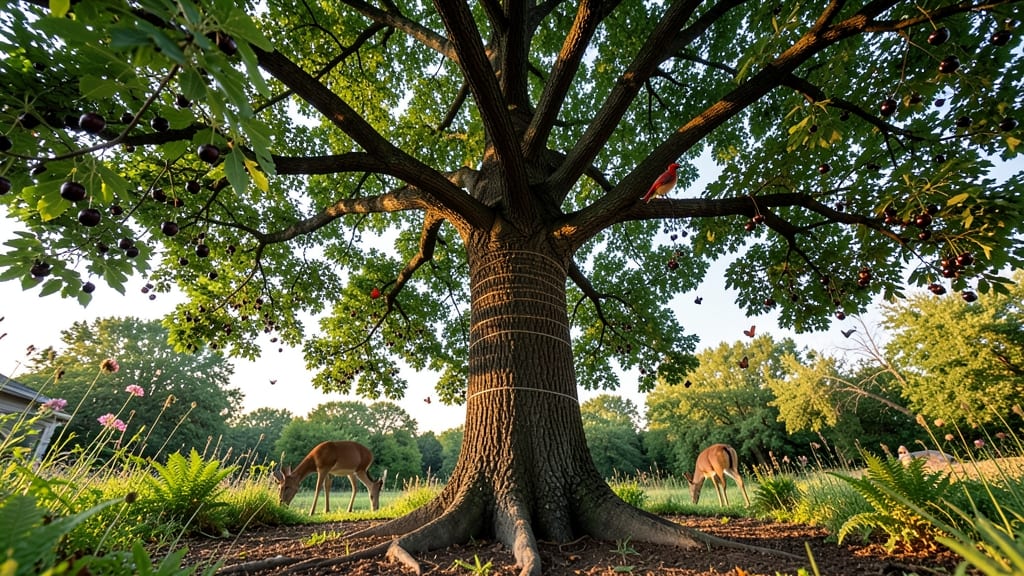
If you're looking for a fast-growing Arkansas native that doubles as both a wildlife magnet and a shade provider, black cherry trees are your answer. These trees grow up to 3 feet per year, making them ideal for quickly establishing shade in parks, orchards, or along wildlife corridors.
Black cherries produce edible fruit that attracts birds, squirrels, and other wildlife while providing dense shade with their broad canopy. Plant them in full sun with well-drained soil, and watch them thrive in Arkansas’ climate. Their spring blooms and summer foliage add seasonal interest too.
Perfect for landowners, conservationists, and gardeners who want to support local ecosystems—these trees offer both beauty and function. 🌟
Eastern Red Cedar Trees for Drought Resistance

If you're struggling to keep plants alive in Arkansas' dry spells or urban heat islands, the Eastern Red Cedar is your unsung hero. This hardy evergreen thrives where others fail, making it perfect for low-water landscapes and challenging sites.
Native to Arkansas's rocky hills and plains, this tree handles dry, rocky, or even sandy soils with ease—ideal for erosion-prone areas or slopes. Its dense foliage creates natural windbreaks, reducing heating and cooling costs while providing year-round structure. Plus, its blue-green needles add subtle color to any landscape without demanding attention.
Urban gardeners and landowners will love how Eastern Red Cedars require almost no maintenance once established, making them perfect for busy schedules. They're also a wildlife magnet, offering shelter for birds and small mammals. 🌱