
Pruning
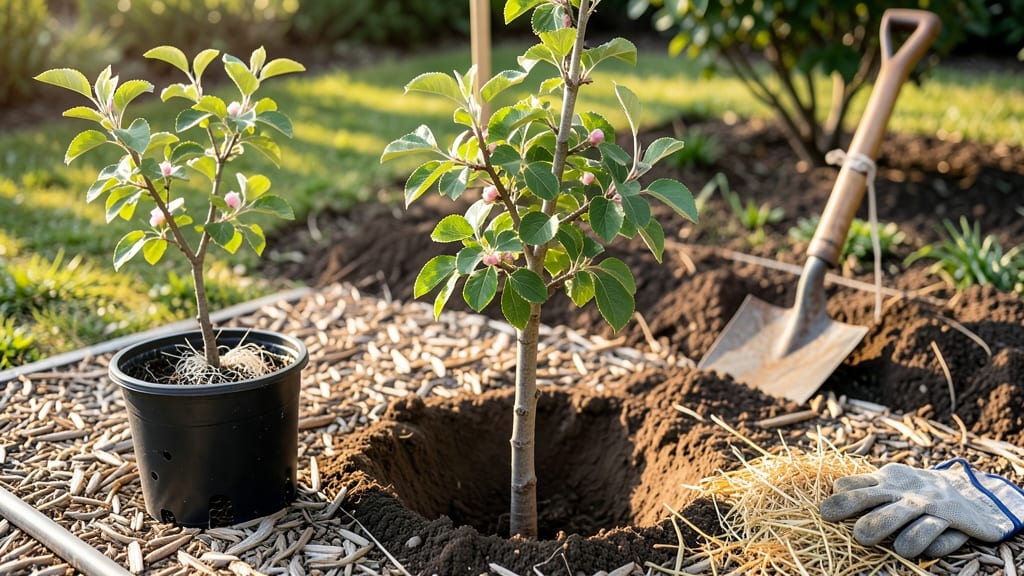
Planting an apple tree in the wrong zone means struggling with frost damage and poor fruit production. 🌳 The USDA hardiness zone map isn't just a suggestion—it determines which varieties will thrive in your climate, from crisp Honeycrisp in cooler zones to heat-tolerant Fuji in warmer regions.
I've learned this the hard way after watching a prized Granny Smith freeze back to the ground in zone 6.
Start by finding your zone on the USDA map (most of us fall between zones 4-8), then match it to varieties that naturally perform well there. Northern gardeners should focus on cold-hardy types like McIntosh or Cortland, while Southern growers need heat-resistant options like Anna or Dorsett Golden.
Soil matters too—apple trees demand well-draining, slightly acidic soil with plenty of organic matter.
Once you've picked the right variety for your zone, timing becomes critical. Plant bare-root trees in early spring or late fall when the ground is workable but not frozen.
The first year is about establishing roots, not fruit—be patient and protect young trees from late frosts with frost cloth when needed.
Common mistakes include ignoring microclimates (a south-facing slope warms up faster) or planting too deep (the graft union should stay above soil level).
With the right zone match, proper care, and a little patience, you'll be harvesting homegrown apples in just a few years—nothing beats that first bite of fruit you grew yourself.
📚 In This Guide
- What you need
- Instructions
- Tips and common mistakes
- Wrapping up and next steps
What you need
- ● Apple tree sapling: Choose a variety suited to your USDA Planting Zone (e.g., 'Honeycrisp' for Zones 4-8, 'Granny Smith' for Zones 7-10). Opt for a 1- to 2-year-old bare-root or potted tree for best results.
- ● Shovel or digging spade: A 16- to 24-inch wide shovel for digging the planting hole.
- ● Garden fork or tiller: To loosen compacted soil in the planting area.
- ● Compost or well-aged manure: 5-10 gallons to enrich the soil.
- ● Slow-release fertilizer: 10-20-10 NPK ratio, 1-2 pounds per tree.
- ● Mulch (wood chips or straw): 2-3 inches thick, keeping it 3-4 inches away from the trunk.
- ○ Staking materials (optional but recommended): 2-3 wooden stakes (1-2 inches in diameter, 6 feet tall)
- ● Soft tree tie straps or garden twine (avoid wire—it can damage the tree).
- ● Watering can or hose with a gentle spray nozzle: For post-planting hydration.
- ● Location: A sunny spot with at least 6-8 hours of sunlight daily and well-draining soil (test soil pH—ideal range: 6.0-7.0).
- ● Spacing: Plant trees 15-25 feet apart (depending on variety) to allow airflow and future growth.
- ● Weather check: Plant in late fall, winter, or early spring (avoid extreme heat or frost).
- ● 🌡️ Soil temperature: Wait until the ground is workable (not frozen or waterlogged).
- ○ ✨ Root stimulator: Optional but helpful—use a mycorrhizal fungus powder to boost root development.
- ● 🎯 Pest prevention: Keep copper tape or tree collars handy to deter rodents or rabbits.
How to match your location to the best apple tree planting zones
Finding the perfect spot for your apple tree starts with understanding your USDA zone—here's how to get it right.
📍 Step 1: Locate Your Exact USDA Planting Zone
Start by finding your precise USDA zone using the USDA Plant Hardiness Zone Map. Enter your ZIP code at the official site—this gives you a 5-digit zone (like 6a or 8b) that accounts for both winter lows and summer heat. I always double-check with my county extension office because microclimates (like urban heat islands) can shift your zone by half a number.
Write down your zone and note any nearby elevation changes. Apple trees in zones 4-8 thrive best, but varieties differ dramatically. For example, 'Honeycrisp' loves zones 3-8, while 'Fuji' prefers zones 5-8. This is your first filter—only consider apple varieties rated for your zone.
☀️ Step 2: Assess Your Site's Sun and Temperature Nuances
While your USDA zone gives you a baseline, real-world conditions matter more. Apple trees need 6-8 hours of full sun daily, but your yard might have partial shade. I test sun exposure by placing a white board where the tree will go—mark shadows every hour for a week. If you get less than 6 hours of direct sun, choose a dwarf variety (like 'Liberty') that tolerates 4-6 hours.
Check your site's heat retention too. South-facing slopes stay 5-10°F warmer than north-facing areas. If your zone is borderline (like 6a), a south-facing spot might let you grow varieties rated for zone 7. But watch for afternoon sunburn—young bark is sensitive to intense heat.
🌱 Step 3: Select Apple Varieties That Match Your Zone and Pollination Needs
Never plant just one apple tree—most varieties need a pollinator within 50 feet for fruit set. I always pick two compatible varieties (like 'Gala' and 'Golden Delicious') that bloom at the same time. Check the USDA zone range on the tag—if it says 5-8, your zone 6 garden is perfect, but a zone 4-7 variety might struggle in your heat.
For container growing (common in zones 9+), choose dwarf or semi-dwarf varieties like 'Columnar' types. These handle heat better and produce fruit in 2-3 years instead of 5-7. Just remember: container trees need winter protection if your zone drops below their minimum.
⏰ Step 4: Time Your Planting for Zone-Specific Success
Plant bare-root trees in late fall or early spring when soil is workable but not frozen. In zones 5-8, early spring (before buds swell) is ideal. But in zones 3-4, late fall planting (6-8 weeks before first frost) lets roots establish before winter. Container-grown trees can go in anytime, but avoid extreme heat or cold.
Amend your soil with compost to improve drainage—apple roots hate soggy feet. In zones 7-9, add a 2-inch layer of mulch to keep roots cool. I always water deeply after planting, then check soil moisture weekly until roots establish (6-8 weeks in most zones).
🌿 Step 5: Adjust Care for Zone-Specific Challenges
In zones 3-5, protect young trees from winter damage with a tree wrap and extra mulch. I've seen 'McIntosh' trees in zone 4 lose bark to winter sun scald—painting trunks white reflects heat and prevents this. In zones 6-8, watch for summer pests like codling moths; organic sprays work best when applied before blooms open.
Fruit quality varies by zone too. Apples in cooler zones (4-6) develop better flavor and color, while warmer zones (7-9) often need thinning to prevent sunburn. Thin fruit to 6 inches apart when they're 1 inch wide—this ensures larger, sweeter apples.
Tips & tricks for perfect apple tree planting by zone
Matching your location to the right apple tree varieties saves years of frustration—here's how to get it right the first time.
Zone-Specific Variety Selection: The USDA zone range on your tree tag isn't just a suggestion—it's a critical filter. For example, 'Granny Smith' thrives in zones 5-9, while 'Braeburn' prefers zones 5-8. When shopping, always cross-reference the tag's zone range with your exact 5-digit zone (like 6b). I've planted 'Honeycrisp' in zone 6a gardens where it struggled because the tag's 3-8 range didn't account for the cooler microclimate.
Microclimate Mastery: That 5-10°F temperature difference between north and south-facing slopes can mean the difference between success and failure. In zone 6a gardens, I've seen south-facing spots grow 'Fuji' (zone 5-8) that would normally be too tender, while north-facing areas needed the hardier 'McIntosh' (zone 3-8). Use a simple thermometer to check your site's heat patterns for a week before planting—this gives you hard data to work with.
Sunlight Testing: The 6-8 hours of full sun requirement is non-negotiable, but how you measure it matters. I've seen gardeners assume their yard gets enough sun, only to have trees produce sparse fruit. Place a white board where you plan to plant and mark shadows every hour for a full week. If you're getting less than 6 hours of direct sunlight, consider dwarf varieties like 'Liberty' that tolerate 4-6 hours—just be prepared for smaller harvests.
Pollination Planning: Planting two compatible varieties within 50 feet isn't optional—it's how you get fruit. I recommend keeping a simple chart of bloom times for your zone. In zone 7, 'Gala' and 'Golden Delicious' bloom simultaneously, while in zone 5, 'Cortland' and 'Empire' sync perfectly. Pro tip: Check your local extension office for their recommended pollinator pairings—they've tested these combinations in your exact growing conditions.
Pro Tips for Apple Tree Planting Zones
- Matching your location to the right apple tree varieties saves years of frustration—here's how to get it right the first time.
- Zone-Specific Variety Selection: The USDA zone range on your tree tag isn't just a suggestion—it's a critical filter.
- Microclimate Mastery: That 5-10°F temperature difference between north and south-facing slopes can mean the difference between success and failure.
Frequently asked questions
Got questions about planting apple trees in the right zones? Here are answers to some of the most common ones—helping you avoid pitfalls and maximize your orchard’s success!
What’s the best USDA planting zone for apple trees?
Apple trees thrive in USDA Zones 4-8, but the best choice depends on the variety. Cold-hardy types (like Honeycrisp) do well in Zones 4-6, while heat-tolerant varieties (like Anna) suit Zones 7-9. Always check the USDA Interactive Plant Hardiness Map for your exact location!
When is the best time to plant an apple tree?
Plant in early spring (after last frost) or fall (6 weeks before first frost) for ideal root establishment. Avoid extreme heat or cold—roots need time to settle. Fall planting is popular because it gives roots a head start before winter dormancy.
Can I plant an apple tree in a container if my zone isn’t ideal?
Yes! Dwarf varieties (like Columnar or Semi-Dwarf) thrive in containers, letting you move them to sunnier spots or indoors during harsh winters. Use a 5-gallon+ pot with drainage and well-draining soil. Just remember: container-grown trees may need extra care for pollination and nutrient balance.
Why did my apple tree fail to bear fruit in its first year?
Apple trees need 3-5 years to mature and produce fruit. If it’s older but still not fruiting, check:
- Pollination: Plant two compatible varieties nearby.
- Sunlight: Ensure 6+ hours of direct sun daily.
- Soil health: Test pH (ideal: 6.0-7.0) and amend with compost.
How do I extend the growing season for apple trees in marginal zones?
Use these tricks to protect your tree in Zone 3 or 9+:
- Mulch heavily (3-4 inches) to insulate roots.
- Use frost cloth or row covers in early spring/late fall.
- Water deeply before winter to prevent freeze damage.
- Choose heat-tolerant varieties (e.g., Dorsett Golden for Zone 9).
Wrapping up and next steps
Planting an apple tree is an exciting journey, and understanding apple tree planting zones is your first step toward success! By matching your location with the USDA map, you’ll set the stage for a thriving orchard—whether you’re a seasoned gardener or a curious beginner. 🌱
Now that you’re armed with the right knowledge, take the next step: mark your planting spot, gather your tools, and get ready to nurture a fruit-bearing future. The sweet rewards of homegrown apples are just around the corner—let’s make it happen!