
Neem Oil
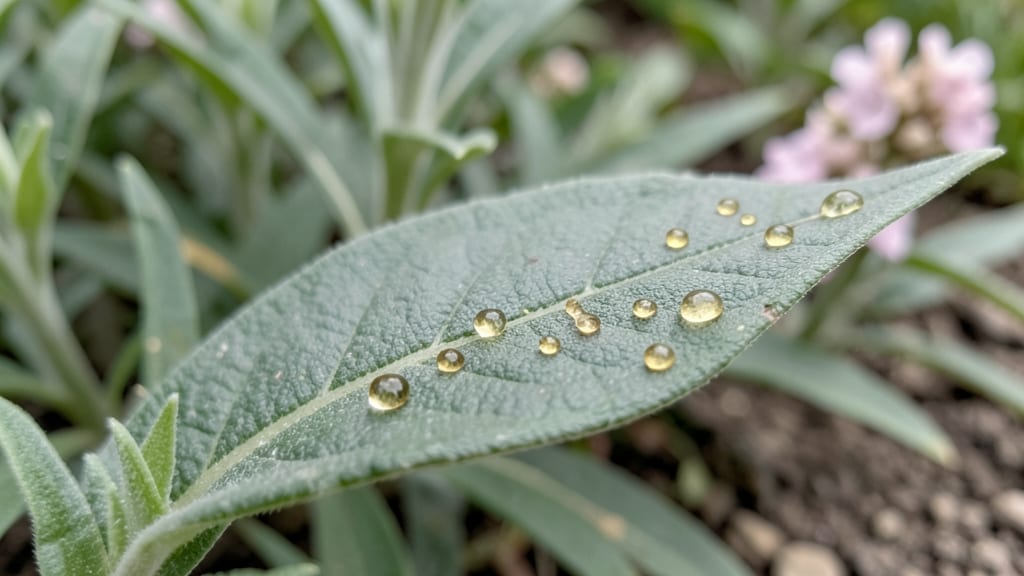
Tea tree oil acts as an ant repellent by targeting their chemical communication system, making it difficult for ants to follow scent trails. Create a simple spray by mixing 10-15 drops of tea tree oil with 1 cup of water in a spray bottle, then apply to entry points or ant hotspots.
This essential oil's power comes from its terpinen-4-ol compound, which confuses ants' pheromone signals—basically scrambling their GPS. 🔥 Unlike chemical pesticides, it's completely safe for kids and pets once fully dried, though you should still avoid direct contact with eyes or open wounds.
For tough infestations, I like adding a few drops of lemon or orange oil to boost the scent disruption, since ants hate citrus too. The spray works best when applied in the evening, when ants are most active, and should be reapplied every 3-5 days for continuous protection.
Pro tip: Test your spray on a small area first—some dark woods or delicate fabrics can stain with tea tree oil. For outdoor use, combine it with water and a drop of dish soap to help it stick to surfaces longer.
The key is consistency; ants will eventually find their way back if you don't maintain the barrier.
💡 In This Article
- How Tea Tree Oil Disrupts Ant Behavior and Trails
- DIY Tea Tree Oil Ant Spray Recipes for Indoor and Outdoor Use
How tea tree oil disrupts ant behavior and trails
Tea tree oil's ant-repelling power comes from its terpinen-4-ol compound, which acts like a chemical disruptor to ants' communication system. This compound interferes with their pheromone trails—the scent markers ants leave to guide their colony.
When they encounter tea tree oil, their antennae detect the foreign scent as a threat, causing them to abandon the trail and retreat. 🔥 Unlike chemical pesticides that kill ants outright, tea tree oil creates a non-lethal barrier that confuses their navigation system, forcing them to seek alternative routes.
The effectiveness varies by ant species. Sugar-loving ants like odorous house ants are particularly sensitive to tea tree oil because their foraging behavior relies heavily on scent trails. Protein-seeking ants, such as pharaoh ants, may be slightly less responsive but still deterred by the oil's strong aroma.
Studies show that a 1% dilution (10-15 drops per cup of water) is optimal—any stronger can harm surfaces, while weaker concentrations may not disrupt trails effectively.
For comparison, peppermint oil works similarly but with a different active compound (menthol), while citrus oils like lemon disrupt trails through their high acidity rather than chemical interference.
What makes tea tree oil unique is its dual action: it repels ants while also acting as a mild antiseptic. The oil's antimicrobial properties break down organic residues that attract ants, such as food crumbs or grease.
This is why it works so well in kitchens—it doesn't just mask odors but actively removes the chemical signals ants follow. 💛 For example, a 1:100 dilution (10 drops per cup of water) applied to baseboards or under appliances can eliminate both live ants and residual scent trails within 24-48 hours.
Temperature and humidity also play a role in how long the repellent lasts. In dry conditions, tea tree oil evaporates faster, requiring reapplication every 3-5 days, while humid environments extend its effectiveness to 7-10 days.
The oil's volatility means it works best in well-ventilated areas—sealed spaces like pantries may need more frequent reapplications. Unlike synthetic repellents, tea tree oil breaks down naturally, leaving no harmful residues behind.
For maximum disruption, combine tea tree oil with citrus oils (lemon, orange) or vinegar, as the combined scents create a stronger sensory barrier. Ants rely on their antennae to detect threats, and the layered aromas overwhelm their sensory receptors.
For instance, a blend of 5 drops tea tree oil + 5 drops lemon oil + 1 cup water creates a scent profile that's far more effective than either oil alone.
This synergy is why many DIY recipes include multiple essential oils—ants can't easily adapt to such complex scent profiles. 🌟
One common misconception is that tea tree oil kills ants outright. In reality, it forces them to flee the area by creating an inhospitable scent environment. This non-lethal approach is safer for ecosystems and household pets, though it requires consistent application.
For persistent infestations, pairing the spray with baking soda barriers (sprinkled along entry points) can enhance results by physically blocking ant paths while the oil disrupts their navigation.