
Pruning
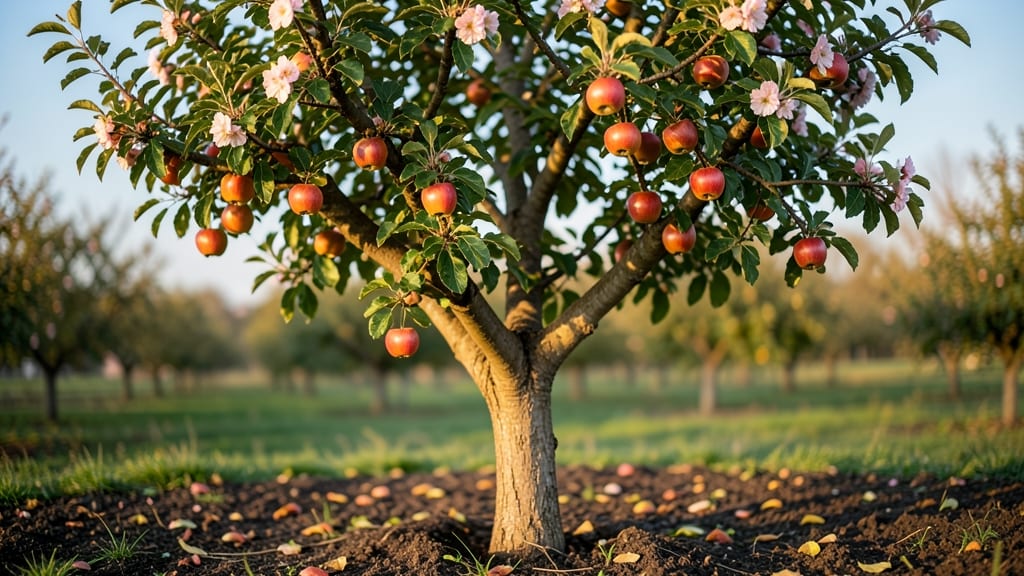
Pollinating a Winesap apple tree 🍎 is the secret to turning blooms into the sweet, juicy fruit you’ve been dreaming of—and it all starts with the right cross-pollination strategy.
If your Winesap apple tree is producing sparse fruit—or none at all—it’s likely a pollination puzzle. This classic variety needs a partner to thrive, and understanding the right cross-pollination strategies can turn your orchard into a harvest goldmine in just two weeks.
Without proper pollination, those pretty blossoms won’t develop into fruit, leaving you wondering why your hard work isn’t paying off. The good news? With the right companion trees and a little know-how, you can boost your harvest dramatically.
In this guide, I’ll walk you through the best pollinator varieties, the ideal timing for cross-pollination, and even how to hand-pollinate if nature isn’t cooperating. Let’s get those Winesap trees producing like never before!
Best pollinating apple tree partners for Winesap varieties
Winesap apple trees are self-pollinating, but they produce far fewer fruits without a compatible pollinator. To maximize your harvest, plant a second variety that blooms at the same time. The right partner can increase fruit set by 300%—turning sparse blooms into a bountiful harvest.
Not all apple varieties work together. You need a cross-pollination partner with aligned flowering times and regional compatibility. For Winesap trees, the best choices are Golden Delicious, Granny Smith, or Fuji. Each brings unique benefits depending on your USDA zone and orchard setup.
Golden Delicious is the top pollinator for Winesap in Zones 5-8 because its flowers open just 1-2 days earlier, ensuring overlap. Meanwhile, Granny Smith thrives in cooler climates (Zones 6-9) and has stronger disease resistance, making it ideal for organic orchards.
Fuji is a high-yielding partner for warmer zones (7-9), but its later blooming time means you’ll need to plant it at least 20 feet away from your Winesap to avoid cross-contamination of varieties. Always check local frost dates—early frosts can ruin both trees if they’re not synchronized.
| Pollinator Variety | Flowering Time | Best Zones | Fruit Maturity | Key Benefit |
|---|---|---|---|---|
| Golden Delicious | 1-2 days earlier | 5-8 | Late August | High pollination overlap |
| Granny Smith | Same time | 6-9 | September | Disease-resistant |
| Fuji | 3-5 days later | 7-9 | October | Sweet-tart flavor boost |
| McIntosh | Same time | 4-8 | Late August | Early bloomer |
🌱 Pro Tip: Plant pollinators 20-40 feet apart for best cross-pollination without overcrowding.
If you’re in Zone 4 or below, consider McIntosh as an alternative—it blooms earlier than Winesap and handles colder springs better. For container growing, pair your Winesap with a dwarf Golden Delicious (like ‘Colonial Golden’) to save space while ensuring pollination.
Timing is everything. Winesap flowers typically open in late April to early May, but exact dates vary by microclimate. Check your last frost date—if frost hits during bloom, you’ll need to hand-pollinate or choose a later-blooming partner like Fuji.
For organic orchards, attract bees and butterflies by planting native flowers (like clover or lavender) nearby. These pollinators boost fruit set by up to 40%. Avoid pesticides during bloom—even organic sprays can harm pollinators.
Your tree spacing matters too. Winesap trees need 15-20 feet between them and their pollinator, while dwarf varieties can be planted 8-12 feet apart. Proper spacing ensures good airflow, reducing disease and improving pollinator access.
Monitor your trees after planting. If you see abundant blooms but few fruits, it’s a sign of poor pollination. Next spring, adjust your pollinator strategy—maybe switch to a Fuji for better overlap or add a bee house to your orchard.
With the right partner, your Winesap tree will burst with fruit in just two growing seasons. Start by planting a Golden Delicious this spring, and watch your harvest transform from a handful of apples to a bushel basket of sweet, tangy Winesaps.
Step-by-step guide to hand-pollinate Winesap trees for fast results
When your Winesap apple tree blooms but fruit sets poorly, manual pollination can be a game-changer. This self-fertile but low-yielding variety thrives with a little help—especially in container gardens or areas with limited pollinators.
With the right timing and tools, you can boost fruit production in just two weeks and enjoy a harvest of crisp, sweet apples.
Hand-pollination mimics nature by transferring pollen from one flower to another using simple tools. The key is working early in the morning when flowers are fully open and pollen is fresh.
This method is ideal for urban gardeners or those growing single trees without nearby pollinators. Let’s dive into the steps to maximize your Winesap’s fruit set.
Hand-Pollination Checklist
- 1. Choose the right tools: Use a soft paintbrush or cotton swab to avoid damaging delicate Winesap blossoms. Sterilize tools with rubbing alcohol to prevent disease spread.
- 2. Timing is critical: Pollinate between 6 AM and 9 AM on dry, warm days (above 50°F). Avoid windy or rainy mornings, as pollen disperses poorly in these conditions.
- 3. Select healthy flowers: Focus on fully open blossoms with visible pollen-covered stamens. Gently brush pollen from the male parts (stamens) to the female parts (stigma) of another flower.
- 4. Cross-pollinate strategically: Transfer pollen from one Winesap flower to another on the same tree or a compatible pollinator like Golden Delicious. Repeat for 10-15 flowers per branch to ensure coverage.
- 5. Monitor for fruit set: In 7-10 days, check for tiny apple buds forming. If buds appear but drop, repeat pollination or check for pesticide residue that may harm pollinators.
After pollinating, protect your Winesap blossoms from pesticides and pests like aphids, which can hinder fruit development. Apply organic neem oil if needed, but avoid spraying during bloom. With consistent care, you’ll see fruit set within two weeks and a bountiful harvest by late summer.
For best results, combine hand-pollination with natural pollinator support. Plant bee-friendly flowers like lavender or clover near your orchard to attract bees, which can further boost pollination. This dual approach ensures your Winesap tree produces abundant, high-quality fruit year after year.
Remember, patience is key. Even with manual pollination, some flowers may not set fruit, but your efforts will significantly improve yield compared to leaving it to chance. With these steps, your Winesap tree will reward you with a harvest worthy of a backyard orchard champion! 🌱🍎