
Watering
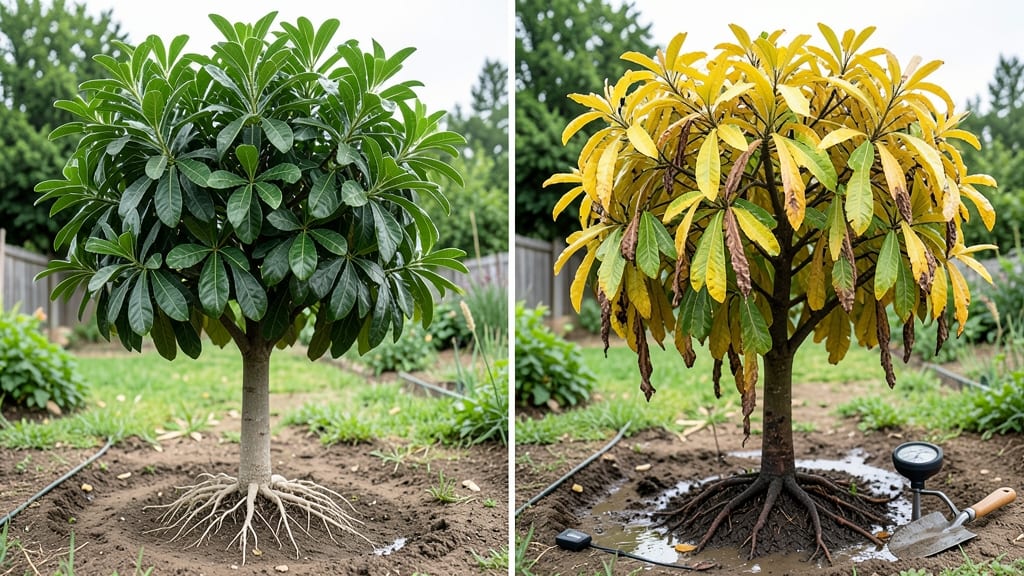
What does an overwatered avocado tree look like?—drooping leaves and mushy roots are the first red flags, and I’ve seen this exact scene play out more times than I’d like to admit. 🌿 The first clue? Leaves turn yellow, starting at the bottom and creeping upward like a slow-motion warning sign. Then comes the stench: soggy soil that smells like a swamp, not a thriving tree. The real damage hides underground: roots turn brown and squishy, unable to breathe. I’ve pulled up plants where the roots fell apart at the touch—this is root rot in action. Your tree isn’t just thirsty; it’s drowning, and the soil’s compacted, cutting off oxygen. Even well-draining soil mixes fail when water piles up in the pot or ground. Here’s the fix: Let the top 2-3 inches of soil dry completely between waterings. If your tree’s pot lacks drainage holes, repot it ASAP—this one change saved my last avocado from the compost pile. You’ll see new green growth within weeks as roots recover and leaves perk back up. For container trees, upgrade to a pot with drainage and a mix designed for citrus or tropical plants. In-ground trees need amended soil with perlite or sand to prevent compaction. Trust me, your tree’s survival depends on cutting back now—before the next watering cycle.
Root Causes Of Overwatering
Overwatering an avocado tree isn’t just about giving it too much water—it’s a cascade of environmental and human factors that disrupt the plant’s delicate balance. Understanding these causes helps you adjust care before the damage becomes irreversible. Here’s why your avocado tree might be drowning in its own pot.
Avocado trees thrive in well-draining soil, but when drainage fails, excess water pools around the roots, suffocating them. Here’s how it happens:
- Clay or Compacted Soil: Clay-heavy or tightly packed soil repels water but doesn’t allow it to escape. Roots sit in soggy conditions, starved of oxygen.
- Actionable fix: Amend soil with perlite, pumice, or coarse sand (50% organic matter, 50% inorganic) to improve aeration.
- Improper Pot Design: Pots without drainage holes or those lined with plastic traps moisture, turning the growing medium into a swamp.
- Actionable fix: Use terracotta or fabric pots with holes, and elevate them on saucers to prevent waterlogging.
- Root-Bound Containers: Roots circling the pot restrict water flow and create dead zones where water stagnates.
- Actionable fix: Repot every 2–3 years into a container 2–3 inches larger in diameter.
Avocados hate inconsistency—too much at once or a schedule that ignores the plant’s needs leads to waterlogged soil.
- Overzealous Watering: Pouring water until it runs out the drainage hole without letting the topsoil dry between sessions drowns the roots.
- Science note: Avocado roots need 20–30% oxygen to function. Saturated soil drops oxygen levels to <5%, triggering root rot.
- Actionable fix: Water only when the top 1–2 inches of soil are dry (stick your finger in—if it’s damp, wait).
- Ignoring Seasonal Needs: Winter slows root activity, but many gardeners keep summer watering routines, leading to excess moisture.
- Actionable fix: Reduce watering by 50% in cooler months (below 60°F).
- Automatic Systems Gone Rogue: Drip irrigation or timers set on high can flood the soil without you noticing.
- Actionable fix: Monitor soil moisture with a moisture meter or use smart irrigation controllers.
Not all water comes from your hose—humidity, rainfall, and even wind can contribute to overwatering.
- High Humidity: Avocado trees in humid climates (like Florida or tropical regions) transpire less, so soil stays wet longer.
- Actionable fix: Space plants 3–5 feet apart for airflow or use a fan to reduce humidity around the tree.
- Heavy Rainfall: Outdoor avocados in rainy seasons can get drenched, especially if the ground is already saturated.
- Actionable fix: Move potted trees to a covered area or use a tarp to shield them during downpours.
- Low-Light Conditions: Weak light reduces photosynthesis, so the tree doesn’t use water efficiently, leading to buildup.
- Actionable fix: Place indoor avocados near a south- or west-facing window (6+ hours of bright light daily).
Even well-meaning gardeners make mistakes that lead to overwatering.
- Using the Wrong Soil Mix: Peat-heavy or water-retentive potting mixes (like those for ferns) hold moisture for days, choking roots.
- Actionable fix: Switch to a chunky, fast-draining mix (e.g., 60% coco coir, 20% perlite, 20% orchid bark).
- Overpotting: Giant containers take forever to dry out, trapping moisture in the lower layers where roots can’t access oxygen.
- Actionable fix: Choose pots just 2–3 inches larger than the root ball.
- Fertilizer Misuse: Over-fertilizing (especially with nitrogen) encourages lush growth that demands more water, but the roots can’t keep up.
- Actionable fix: Fertilize lightly (balanced 6-6-6 or 3-1-2 NPK) every 2–3 months in spring/summer only.
Pro Tip: 🌡️ Test your soil’s moisture level with a DIY trick—grab a handful and squeeze. If it holds a shape but crumbles when released, it’s at the perfect watering balance. If it stays clumpy or drips water, stop watering immediately and let it dry.
Revive Your Avocado Tree Now
Overwatering can feel like a slow-motion disaster for your avocado tree, but the good news? It’s often reversible with the right steps. Below, we’ll map out practical fixes based on the symptoms you’re seeing—whether it’s yellowing leaves, mushy roots, or wilting branches.
Follow these solutions step by step, and your tree will be back to thriving in no time.
If your avocado tree’s leaves are turning yellow but still firm, it’s likely suffering from root suffocation or nutrient leaching due to excess moisture.
🔥 Step 1: Adjust Your Watering Schedule
- Stop watering immediately for 3–5 days to let the soil dry out.
- Water deeply but less frequently: Avocado trees prefer dry soil between waterings.
Stick your finger 2–3 inches into the soil—if it’s damp, wait longer. - Use the "drip test": Water only when the top 6 inches of soil feel dry to the touch.
🍳 Step 2: Improve Drainage
- Repot if needed: If your tree is in a container, check for drainage holes.
If none exist, repot into a pot with holes or drill them yourself. - Add perlite or sand: Mix 20–30% perlite, pumice, or coarse sand into the soil to aerate it and prevent compaction. - Raise the pot: Place it on feet or a saucer to avoid sitting in water.
💡 Pro Tip:
🌡️ Morning watering is key—it gives excess moisture time to evaporate before nightfall, reducing fungal risks.
If you’ve pulled up the tree and found dark, mushy roots (or smelled a foul odor), your tree is in root rot territory. Act fast—this is an emergency!
👨🍳 Step 1: Prune the Roots (Sterilized Tools Only!)
- Remove all mushy, black, or foul-smelling roots with clean, sharp pruners (wipe with rubbing alcohol between cuts).
- Keep only firm, white or light-brown roots—these are healthy.
🔪 Step 2: Repot in Fresh, Dry Soil
- Use a well-draining mix: Combine 60% cactus/succulent soil, 20% perlite, and 20% orchid bark.
- Choose a slightly larger pot (just 1–2 inches wider) to avoid overpotting, which retains too much moisture.
- Add a fungicide: Sprinkle mycorrhizal fungi or beneficial bacteria (like Bacillus subtilis) into the new soil to help roots recover.
⏰ Step 3: Let It Recover
- Hold off on watering for 7–10 days to let roots heal.
- Mist lightly only if the soil is completely dry—then water sparingly.
- Keep in bright, indirect light (no direct sun yet) to reduce stress.
✨ Pro Tip:
🎯 Root rot spreads fast—sterilize your tools and pots with bleach or hydrogen peroxide to prevent reinfection.
If your avocado tree is wilting despite dry soil, it may be root-bound or suffering from oxygen deprivation.
🌱 Step 1: Check for Root Bound
- Gently remove the tree from its pot and loosen the roots if they’re circling tightly.
- If roots are matted, trim the outer layer and repot in fresh soil.
💧 Step 2: Water Correctly (Not Too Much, Not Too Little)
- Soak the soil thoroughly, then wait until the top 4–6 inches are dry before watering again.
- Avoid wetting the leaves—water at the base only to prevent fungal growth.
💡 Pro Tip:
🔥 Avocados hate soggy feet—if your tree is in the ground, consider raised beds for better drainage in heavy clay soil.
Once your tree is back on track, prevent future overwatering with these habits: - Use a moisture meter ($10–$20) to track soil dampness accurately. - Group plants with similar needs—avocados thrive with succulents and citrus. - Mulch lightly (1–2 inches of wood chips) to retain just enough moisture without suffocating roots. - Fertilize sparingly: Over-fertilizing encourages weak, water-loving growth.
Use a balanced 6-6-6 or 10-10-10 fertilizer every 2–3 months in spring/summer.
Your avocado tree can bounce back—just give it the right care, and it’ll reward you with lush green leaves and juicy fruit in no time! 🥑💚
Frequently asked questions
How can I tell if my avocado tree is overwatered vs. underwatered?
Overwatered trees show yellow leaves that feel soft or mushy, while underwatered trees have crispy brown edges and dry soil. Check the roots: healthy roots are firm and white, overwatered roots are brown and squishy, and underwatered roots are dry and brittle. Stick your finger in the soil—if it's damp 2+ inches down, you're overwatering.
Will my avocado tree recover from root rot caused by overwatering?
Yes, but you must act fast! Prune all mushy, black roots and repot in fresh, well-draining soil with perlite. Hold off on watering for 7-10 days to let roots heal. Keep the tree in bright, indirect light and avoid wetting the leaves. With proper care, new healthy roots can grow within 2-4 weeks.
Can I save an avocado tree with completely black stems?
If the stems are black and mushy, the tree is likely beyond saving due to severe rot. However, if only the roots are affected, you might be able to propagate new growth from healthy stems. Cut back to healthy green growth, repot in fresh soil, and maintain strict watering discipline. Prevention is key—always use pots with drainage holes.
How often should I water my avocado tree in winter?
Reduce watering by 50% in winter when temperatures drop below 60°F. Water only when the top 3-4 inches of soil are completely dry—typically every 2-3 weeks. Avocado trees go semi-dormant in winter, so they need far less moisture. Always check soil moisture before watering.
What's the best soil mix to prevent overwatering?
Use a chunky, fast-draining mix like 60% cactus/succulent soil, 20% perlite, and 20% orchid bark. This prevents compaction while retaining just enough moisture. For containers, add coarse sand (5-10%) to improve drainage. Avoid peat-heavy mixes that hold too much water.