
Blooming
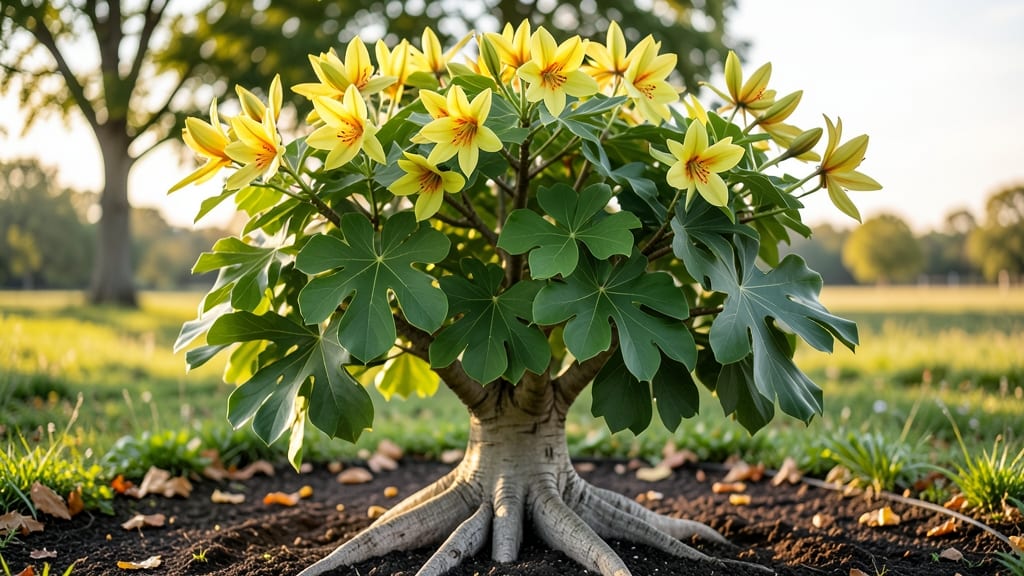
The tulip tree bloom time in late spring—typically May to early June—showcases its iconic tulip-shaped flowers lighting up the canopy with vibrant yellow-green hues 🌳.
If you’re eager to spot the stunning blooms of the tulip tree (Liriodendron tulipifera), timing is everything—missing its brief flowering window means waiting another year for nature’s showstopper.
But here’s the catch: climate zones shift those dates by weeks, and a young tree’s first bloom might arrive years later than a mature one. Southern gardens often see flowers as early as April, while northern regions like USDA Zone 6a may not get their show until June.
Below, I break down the exact months by region, the factors that speed up or delay blooms, and how to give your tree the best shot at a show-stopping spring display—no matter where you live.
When tulip trees bloom by U.s. climate zones (exact months)
The tulip tree (Liriodendron tulipifera) is one of nature’s most striking spring spectacles, but its bloom timing varies dramatically across the U.S. Depending on your USDA hardiness zone and regional microclimates, those iconic yellow-green tulip-shaped flowers can appear anywhere from late March to early May.
Understanding these patterns helps you plan pruning, companion planting, and even when to expect those seed pods later in the season.
Southern gardeners in Zones 7–9 often see blooms as early as late February to March, while northern growers in Zones 4–6 typically wait until April to early May. Even within a single zone, elevation and local weather can shift bloom windows by 2–4 weeks.
For example, a tulip tree in the Smoky Mountains might bloom 10 days later than one in lowland Tennessee at the same latitude.
🌳 Key Insight: Tulip trees in cooler microclimates (like valleys or shaded areas) often bloom 2–3 weeks later than those in warmer, sun-exposed sites. This delay happens because the tree needs chill hours (below 45°F) to trigger flowering, but too much cold can also delay bud break.
| USDA Zone | Typical Bloom Window | Regional Notes | Elevation Adjustment |
|---|---|---|---|
| Zones 4–5 (Northeast, Midwest) | Late April–early May | Northeast blooms 1–2 weeks earlier than Midwest due to cooler springs. | +1 week per 1,000 ft elevation gain |
| Zones 6–7 (Appalachia, Southeast) | Mid-April–mid-May | Appalachian mountain valleys bloom 2 weeks later than coastal areas. | –1 week per 1,000 ft elevation loss |
| Zones 8–9 (Deep South, Gulf Coast) | Late February–March | Florida and Texas trees may bloom twice yearly in mild winters. | Minimal elevation impact; humidity delays blooms. |
In the Northeast (Zones 4–5), tulip trees often bloom in late April to early May, aligning with the last frost date in most areas. However, New England gardeners should mark their calendars for May 1–15, as colder springs push blooms later.
The Midwest (Zones 5–6) sees a similar window but with 1–2 weeks of variation depending on whether you’re in Chicago’s urban heat island (earlier blooms) or rural Wisconsin (later).
Southern states like Georgia and the Carolinas (Zones 7–8) experience the earliest blooms, often by late March. Here, microclimates matter most: Trees in shaded woodlands may bloom 3 weeks later than those in sunny pastures.
Meanwhile, Texas and Louisiana (Zone 9) tulip trees sometimes bloom in February, especially in warmer microclimates like Houston or New Orleans.
Elevation plays a critical role in mountainous regions. For every 1,000 feet gain, expect blooms to delay by 1 week. This is why Asheville, NC (3,500 ft) sees tulip trees bloom 2 weeks later than Charlotte, NC (700 ft), even though they’re only 100 miles apart.
Conversely, lowland areas like the Mississippi Delta can trigger earlier blooms due to warmer soil temperatures.
If you’re in a transition zone (e.g., Zone 6b/7a), your tulip tree’s bloom time might shift yearly based on winter severity. A mild winter with few chill hours can delay blooms until May, while a harsh winter might push them to April.
To encourage consistent blooming, avoid heavy pruning in late winter—this removes next year’s flower buds, which form in summer and fall.
Pro tip: Track your local tulip tree’s blooms for 3 years to spot patterns. Note whether rainfall before bud break (too much = delayed blooms) or sudden warm spells (can trigger early flowering) affect your tree.
This data helps you time companion plantings, like pairing tulip trees with spring bulbs that bloom in the same window.
🌿 Remember: Tulip trees are not self-pollinating—plant at least two trees 30–50 feet apart to ensure seed pod production later in the season. The earlier the bloom
5 Factors that determine your tulip tree’s bloom time (and how to adjust)
Your tulip tree (Liriodendron tulipifera) won’t bloom on a strict schedule—it responds to environmental cues like a well-timed dance. Understanding the 5 key factors influencing its bloom time lets you adjust care to encourage earlier or more abundant flowers.
From sunlight exposure to winter chill hours, each plays a critical role in triggering those iconic yellow-green blooms you love.
First, let’s debunk a common myth: age matters. Young tulip trees (under 10 years) may skip flowering entirely, focusing energy on root and trunk growth.
Mature trees, however, typically bloom between 15–30 years old, with peak flowering in their 30s. But even mature trees can delay blooming if conditions aren’t ideal—like insufficient sunlight exposure or poor soil moisture balance.
- 1. Sunlight Exposure: Tulip trees thrive in full sun (6+ hours/day). Partial shade delays blooming or reduces flower numbers. In USDA zones 7–9, south-facing sites trigger earlier blooms (March–April), while northern exposures may push timing to May.
- 2. Soil Moisture: Consistent moisture during bud formation (late winter) is critical. Drought stress causes buds to abort, while waterlogged soil can rot roots, delaying blooms. Aim for 1–1.5 inches of water weekly in dry spells.
- 3. Tree Age: Trees under 10 years old rarely bloom. 10–20 years yields sporadic flowers, while 20+ years ensures reliable annual blooms. Patience pays off—your tree’s first major bloom might take decades!
- 4. Winter Chill Hours: Tulip trees need 400–800 chill hours (below 45°F) to break dormancy. In warmer climates (zones 8–9), insufficient chill can delay blooms. Mulch heavily in fall to retain cold soil temps.
- 5. Pruning Timing: Prune after blooming (late spring) to avoid removing next year’s flower buds. Heavy pruning in fall or winter stresses the tree, often pushing blooms later or reducing their number.
To encourage earlier blooms, focus on optimizing sunlight and soil health first. If your tree is mature but blooms late, check for competing shade trees or compacted soil limiting root growth. Amending soil with compost in early spring can boost nutrient uptake, giving buds the energy they need.
For gardeners in warmer zones (7–9), where chill hours are limited, consider planting a dwarf variety like ‘Arnold’ or ‘Fastigiata’—these adapt better to milder winters. In cooler zones (4–6), prioritize winter mulching (4–6 inches of mulch) to protect roots and ensure sufficient chill hours.
Remember: patience is key with tulip trees. Even with perfect care, it may take years to see reliable blooms. But once established, your tree will reward you with stunning spring displays that outshine many ornamental species.
Start adjusting these factors now, and you’ll be the first on your block to admire those tulip-shaped flowers! 🌳