
Flowers
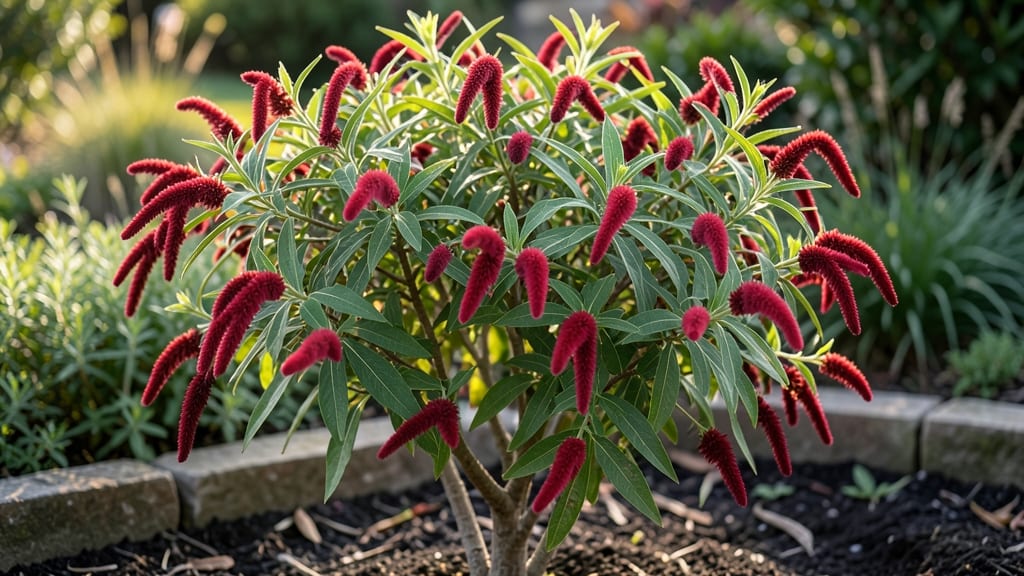
A tree with red fuzzy flowers turns heads every spring. 🌸 I’ve grown Cornus sericea 'Firestart' for years, and its velvety blooms are the first sign winter’s over in my yard.
The fuzzy texture makes it stand out—no other shrub looks quite like it when covered in these soft, fiery blossoms. This cold-hardy shrub thrives in zones 3-8 with minimal fuss.
Plant it in full sun to partial shade where it’ll spread 6-10 feet wide, and its roots handle wet soil better than most. The foliage turns brilliant red in fall, giving you double the seasonal show. Water deeply once established, and you’ll rarely need to intervene.
By summer, the foliage turns lush green, and the stems develop striking red bark. Prune lightly after flowering to shape it, but avoid heavy cuts—this shrub rewards patience with decades of effortless beauty. Deer and rabbits usually leave it alone, too.
Perfect for hedges, wildlife gardens, or as a focal point near ponds. Once planted, it’s basically maintenance-free—just sit back and enjoy the show. Here’s how to get started!
The Science Behind Blooming Beauty
If you’ve ever marveled at a tree adorned with vibrant red fuzzy flowers, you might wonder why some plants produce such striking, velvety blooms while others don’t. The answer lies in a mix of genetics, environmental triggers, and survival strategies.
Let’s break down the key reasons these flowers evolve—and why they thrive in your garden.
The most fundamental reason for fuzzy red flowers is genetics. Many cold-hardy shrubs, like Cornus sericea (also known as red-osier dogwood) or Weigela florida, inherit traits that produce fuzzy, tubular blooms as part of their species’ identity. These genes code for:
- Trichomes (hair-like structures): Tiny, fuzzy outgrowths on petals that deter pests and reduce water loss.
- Anthocyanins (red pigments): Compounds that protect flowers from UV damage while attracting pollinators like hummingbirds.
- Nectar production: Fuzzy textures often correlate with nectar-rich flowers, making them irresistible to pollinators.
Actionable tip: If you’re growing from seed, choose varieties known for fuzzy blooms—like Weigela ‘Wine and Roses’—to ensure consistent results. 🌱
Many trees with red fuzzy flowers are cold-hardy, meaning they’ve evolved to thrive in chilly conditions. Here’s how:
- Delayed blooming: Some shrubs, like Spiraea japonica, wait until late spring to flower, avoiding frost damage while still attracting early pollinators.
- Thick, fuzzy petals: The fuzzy texture insulates buds from freezing temperatures, protecting delicate reproductive structures.
- Deep root systems: Cold-hardy species store energy underground, fueling vibrant blooms even in short growing seasons.
Pro tip: Plant these shrubs in well-draining soil and full sun to mimic their natural cold-adapted habitats. ❄️🌞
Red fuzzy flowers aren’t just pretty—they’re pollinator superstars. Their unique features serve as signals to:
- Hummingbirds: Bright red hues and tubular shapes are designed to catch their attention while they sip nectar.
- Bees: Fuzzy textures can guide pollinators to hidden nectar, increasing the plant’s chances of reproduction.
- Butterflies: The contrast of red against green foliage makes these flowers stand out in gardens.
Did you know? Some fuzzy flowers, like those on Lonicera sempervirens (coral honeysuckle), even mimic insect shapes to lure pollinators closer. 🐝🎨
Not all red fuzzy flowers bloom at the same time—and that’s by design. Key triggers include:
| Factor | Effect on Blooming | Example Plants |
|---|---|---|
| Daylight hours | Longer days in spring signal shrubs like Weigela to produce buds. | Weigela florida, Spiraea |
| Temperature shifts | Cold snaps followed by warm spells can shock plants into blooming earlier (or later). | Cornus sericea (dogwood) |
| Soil moisture | Well-watered roots produce healthier, more vibrant flowers. | Lonicera (honeysuckle) |
Actionable tip: Monitor your shrub’s environment—if blooms are sparse, check for underwatering or late frosts and adjust care accordingly. 💧⏰
From genetic quirks to clever pollinator strategies, red fuzzy flowers are a masterclass in plant survival. Understanding these mechanisms helps you nurture them effectively—whether you’re growing them for beauty, wildlife, or year-round interest.
Revive Your Blooming Shrub
If your tree with vibrant red fuzzy flowers isn’t thriving, don’t fret—most issues have simple fixes! Below, we’ll tackle the most common problems with clear, actionable steps to restore your shrub’s health and keep it blooming beautifully for years. Prevention tips are included to stop future setbacks.
Fix:If the soil feels soggy or water pools around the base, your shrub may be drowning in moisture. Red fuzzy flowers (like Cornus sericea or Viburnum dentatum) prefer well-draining soil but can suffer in waterlogged conditions.
- 🔥 Step 1: Test drainage—dig a small hole near the roots and fill it with water. If it drains slowly (over 4+ hours), improve soil.
- 🍳 Step 2: Amend the soil with compost or perlite (mix 20% organic matter into the top 6 inches of soil). Avoid heavy clay by adding coarse sand.
- 👨🍳 Step 3: Water deeply but only when the top 2 inches of soil are dry. Use a moisture meter for accuracy.
Plant your shrub on a slight slope or in a raised bed to encourage natural drainage. Mulch with wood chips (2–3 inches thick) to retain moisture without suffocating roots.
Fix:Yellowing or crispy edges on leaves? Your shrub might be getting too much harsh sunlight, especially in hot climates. While many red-flowering shrubs tolerate partial sun, some varieties (like Weigela florida) need afternoon shade.
- 🌡️ Step 1: Observe leaf damage—if it’s worst on the south or west side, provide afternoon shade with a lightweight shade cloth (30–50%) or a nearby tree.
- 🎯 Step 2: Gradually acclimate the shrub to more shade if it’s been in full sun. Move it incrementally over 2–3 weeks.
- ✨ Step 3: Water deeply in the morning to reduce stress. Avoid evening watering, which can trap heat.
Choose the right location upfront! Research your shrub’s USDA hardiness zone and sunlight needs before planting. For example, Viburnum bodnantense (with its stunning red fuzzy blooms) thrives in partial shade in hot zones.
Fix:Sticky leaves, tiny webs, or black sooty mold? Pests are likely sucking the life out of your shrub. Fortunately, red-flowering shrubs are rarely a pest magnet, but early intervention is key.
- 🔪 Step 1: Inspect leaves and stems—look for tiny insects, white cottony patches (scale), or webbing.
- 💦 Step 2: Blast them off with a strong spray of water (aphids hate this!). For stubborn pests:
- Use neem oil (mix 1 tbsp with 1 quart water + a drop of dish soap). Spray every 5–7 days until pests vanish.
- Introduce beneficial insects like ladybugs or lacewings (available at garden centers).
- ⏰ Step 3: Prune and dispose of heavily infested branches in a sealed trash bag.
Encourage natural predators by planting companion flowers like marigolds or alyssum nearby. A healthy shrub with balanced fertilization (avoid over-fertilizing with nitrogen) is less appealing to pests.
Fix:Brown, mushy stems or delayed spring growth? Your shrub may have suffered winter burn or frost damage. Cold-hardy varieties (like Hamamelis mollis) can still struggle in extreme cold or wind.
- 🌡️ Step 1: Prune dead or damaged branches in early spring (after the last frost). Cut back to healthy green tissue.
- 🌿 Step 2: Apply a 3-inch layer of mulch around the base (but not touching the trunk) to insulate roots.
- 🏡 Step 3: For young shrubs, wrap the canes or stems in burlap during harsh winters (below 10°F).
Plant your shrub in a sheltered spot, like near a fence or building, to block harsh winds. Choose cold-hardy varieties (Zone 3–7) if you live in a brutal winter climate.
Fix:Pale yellow leaves or sparse flowers? Your shrub might need a nutrient boost. Red-flowering shrubs often suffer from iron, nitrogen, or phosphorus deficiencies.
- 📊 Step 1: Do a soil test (available at local extension offices or online kits). This pinpoints exact deficiencies.
- 💪 Step 2: Apply a balanced fertilizer (10-10-10) in early spring. For iron deficiency, use chelated iron (spray on leaves for fast results).
- 🥗 Step 3: Feed with compost tea or a slow-release organic fertilizer in late summer to support next year’s blooms.
Avoid over-fertilizing! Too much nitrogen leads to leafy growth but fewer flowers. Stick to recommended rates and fertilize only in early spring.
With these fixes, your red fuzzy-flowered shrub should bounce back stronger than ever. Most issues are reversible with timely care—and a little prevention goes a long way! 🌸
Frequently asked questions
What’s the best tree with red fuzzy flowers for small gardens?
For smaller spaces, Weigela florida or Spiraea japonica are excellent choices. These stay compact (3–6 feet tall) while still producing stunning fuzzy red blooms. They thrive in containers too, making them perfect for patios or balconies.
Can I grow a red fuzzy-flowered tree in a pot?
Shrubs like Cornus sericea 'Firestart' or Viburnum bodnantense adapt well to containers. Use a 15–20 gallon pot with drainage holes and well-draining potting mix. Repot every 2–3 years and overwinter indoors if temperatures drop below 10°F.
Why aren’t my fuzzy red flowers as vibrant as they should be?
Pale or dull flowers often signal nutrient deficiencies or overwatering. Try a balanced fertilizer (10-10-10) in early spring and ensure soil drains well. Too much nitrogen can also reduce vibrancy—stick to recommended rates.
Are red fuzzy flowers deer-resistant?
Most varieties, like Cornus sericea or Hamamelis mollis, are deer-resistant due to their fuzzy texture and bitter taste. However, hungry deer may nibble young shoots. Apply deer repellent spray in early spring if needed, or plant near deer-deterrent plants like lavender or rosemary.
When is the best time to prune for more fuzzy red flowers?
Prune right after flowering (late spring) to encourage next year’s blooms. Remove dead or crossing branches first, then shape lightly. Avoid heavy pruning—these shrubs bloom on old wood, so keep at least 1/3 of the plant’s structure intact.