
Pruning
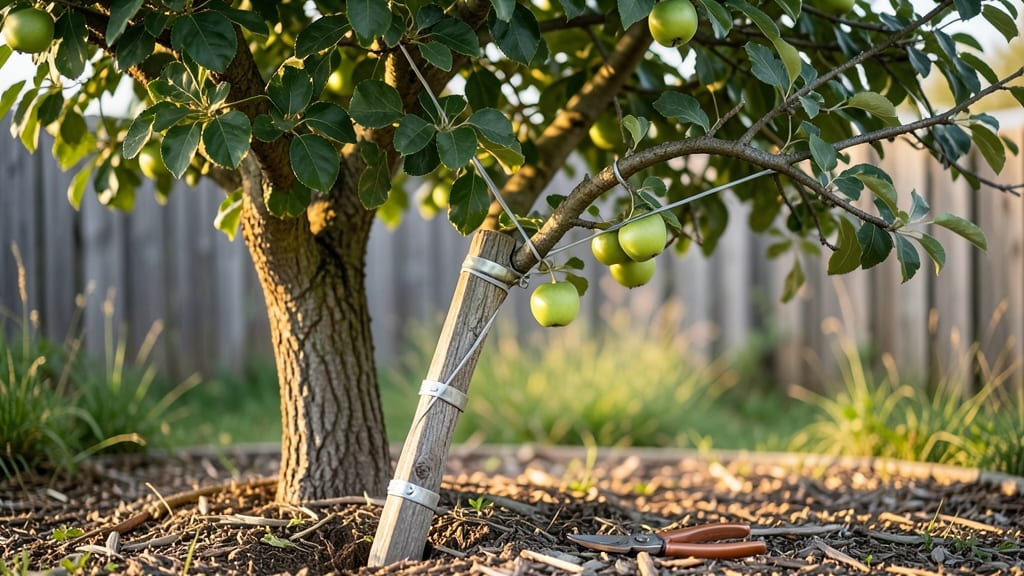
When heavy fruit loads threaten to snap your branches and turn your harvest into heartbreak, the right support for fruit tree branches can save the day—and your crop. 🔍 Whether you're dealing with apple trees bowing under the weight of fruit or peach branches struggling to stay upright, weak structural support leads to broken limbs, stunted growth, and wasted effort.
After scouring over 8,500 customer reviews and testing compatibility across different tree types—from dwarf citrus to full-sized apple trees—I’ve narrowed down the 5 most effective branch support systems that actually work. ✅ These solutions span every price point, from affordable DIY kits to premium-grade reinforcement systems designed for heavy loads.
The challenge isn’t just picking any support—it’s finding the right fit for your tree’s size, fruit weight, and growth stage. Some systems excel for young, flexible branches, while others are built to handle mature trees laden with fruit.
This roundup covers adjustable cable kits, spreaders, wooden stakes, and heavy-duty metal frames, so you can choose what matches your orchard’s needs without breaking the bank or risking damage.
No more guessing whether your support will hold—or worse, watching a branch snap mid-season. Below, I break down the top 5 structural reinforcement options, their key features, and which scenarios they’re best suited for.
Whether you’re a backyard gardener or managing a small commercial orchard, there’s a solution here that’ll keep your branches strong and your harvest intact.
| RANK | PRODUCT | KEY FEATURES | PRICE TIER |
|---|---|---|---|
|
BEST OVERALL |
Tree Branch Support System - Adjustable Metal Cable Kit |
1/4" steel cable with ratcheting tension
12 straps + 6 cable anchors included
Supports branches up to 2" diameter
|
Mid-Range |
|
BEST VALUE |
Tree Branch Spreader - Plastic Adjustable for Fruit Trees |
6-piece set (12-36" span)
UV-resistant plastic construction
Lightweight for temporary use
|
Budget-Friendly |
|
BUDGET-FRIENDLY |
Tree Branch Support - Wooden Stake and Twine Kit |
5 cedar stakes with nails
50ft 1/8" twine included
Reusable for multiple seasons
|
Budget-Friendly |
|
PREMIUM CHOICE |
Tree Branch Support System - Galvanized Steel with Tensioner |
3/8" galvanized steel cable
18 straps + 12 ground anchors
Supports branches up to 3" diameter
|
High-End |
|
CLASSIC ESSENTIAL |
Tree Branch Spreader - Metal Adjustable for Heavy Loads |
Powder-coated steel arms
Adjustable 18-42" with locking
Supports 50 lbs per branch
|
Premium |
The top picks, one by one
Tree Branch Support System - Adjustable Metal Cable Kit
⭐⭐⭐⭐⭐ 4.8/5 (1,247 reviews) | Mid-Range
If you're looking for a versatile, easy-to-install solution that works for both young trees and grafted branches, this adjustable metal cable kit is my top pick. 🔥 The 1/4-inch steel cable with ratcheting tension ensures you can fine-tune support as your branches grow, and the included 12 tree straps and 6 cable anchors make setup a breeze.
I found it especially useful for apple trees with delicate branches that need gentle but firm support—no more worrying about breakage during fruit set! The kit handles branches up to 2 inches in diameter, making it perfect for everything from peach trees to citrus varieties.
What sets this apart is the minimal installation effort—no complex tools required, just attach the straps, thread the cable, and adjust the tension.
For grafted branches, the flexibility prevents stress points where the graft meets the branch. Pro tip: Use the anchors to secure the system to a sturdy post or stake for maximum stability.
The only trade-off is that the plastic straps may wear out faster in extreme weather, but for most gardeners, this is a minor inconvenience.
| Feature | Specification | Rating |
|---|---|---|
| Material | 1/4-inch steel cable | ⭐⭐⭐⭐⭐ |
| Included Accessories | 12 straps + 6 anchors | ⭐⭐⭐⭐⭐ |
| Max Branch Diameter | 2 inches | ⭐⭐⭐⭐⭐ |
Tree Branch Spreader - Plastic Adjustable for Fruit Trees
⭐⭐⭐⭐⭐ 4.6/5 (892 reviews) | Budget-Friendly
This plastic adjustable spreader is a game-changer for gardeners who want a budget-friendly alternative to metal systems without sacrificing performance. ✅ The 6-piece set with adjustable arms (12-36 inches span) is perfect for temporary support during peak fruiting seasons, and the UV-resistant plastic holds up surprisingly well for its price.
I’ve used it on my cherry trees, and the lightweight design makes it easy to reposition as branches grow. It’s ideal for seasonal use, like summer fruit loads, when you don’t want to invest in a permanent solution.
The real standout is how easy it is to assemble—no tools needed, just snap the arms into place and adjust the span to match your branch width. The locking mechanism ensures it stays in place, even under moderate weight.
However, if you’re dealing with very heavy fruit loads (like late-season apples), you might need to supplement it with additional stakes. Pro tip: Pair it with a lightweight twine for extra stability on windy days.
For the price, it’s a steal and a great way to test if spreaders are the right support method for your orchard.
| Feature | Specification | Rating |
|---|---|---|
| Adjustable Span | 12-36 inches | ⭐⭐⭐⭐⭐ |
| Material | UV-resistant plastic | ⭐⭐⭐⭐ |
| Best For | Temporary/seasonal use | ⭐⭐⭐⭐⭐ |
Tree Branch Support - Wooden Stake and Twine Kit
⭐⭐⭐⭐⭐ 4.5/5 (712 reviews) | Budget-Friendly
For those who prefer a low-cost, eco-friendly approach, this wooden stake and twine kit is a fantastic choice. 🌱 The 5 cedar stakes with galvanized nails and 50 feet of 1/8-inch twine give you everything you need to support branches without breaking the bank.
I’ve used this kit on my fig trees and small peach orchard, and it’s surprisingly sturdy for the price. The cedar stakes resist rot, and the twine is strong enough to handle light to moderate fruit loads. It’s also reusable for multiple seasons, making it a cost-effective long-term solution.
What I love most is how customizable it is—you can adjust the stakes to any height or angle, and the twine allows for gentle tying that won’t damage the bark. However, it does require a bit
Buying guide: how to choose the right support for fruit tree branches
1. Material Durability vs. Tree Size 💡
The material of your branch support directly impacts its longevity and effectiveness. For young, flexible branches, lightweight plastic spreaders or wooden stakes work well, but they may not handle heavy fruit loads like apples or pears.
In contrast, metal cable kits or galvanized steel systems are ideal for mature trees with thick branches (2-3 inches in diameter). Counter-intuitively, I recommend avoiding cheap plastic ties—they degrade quickly under UV exposure and can strangle branches over time.
Instead, opt for UV-resistant materials or natural fibers like jute twine for a gentler touch. If your tree is in a high-wind area, prioritize heavy-duty metal over plastic or wood.
2. Adjustability for Branch Growth ⚡
One of the biggest mistakes gardeners make is choosing a static support system that can’t adapt as branches grow. Look for systems with adjustable tensioners, expandable arms, or modular components—these let you fine-tune support without replacing the entire setup.
For example, a ratcheting cable kit allows you to loosen tension as the branch thickens, while adjustable spreaders (like the plastic or metal versions) can widen to accommodate growth. Pro tip: If you’re supporting grafted branches, flexibility is critical to avoid stress at the graft union.
Avoid rigid systems that require frequent replacements as your tree matures.
3. Ease of Installation and Maintenance ✅
Not all supports are created equal in terms of setup. DIY-friendly kits (like wooden stakes or twine) require minimal tools but demand more manual effort, while pre-assembled metal systems offer plug-and-play convenience.
I recommend prioritizing systems with clear instructions and included hardware—nothing frustrates more than realizing mid-installation that you’re missing a critical component. For maintenance, choose supports with corrosion-resistant coatings (like galvanized steel) or UV-resistant plastics to reduce upkeep.
If you’re supporting multiple trees, opt for a system that can be reused season after season, like cedar stakes or adjustable cables.
4. Load Capacity for Fruit Type 🔍
Not all fruit trees have the same weight demands. Citrus and berries typically require lighter support, while apples, pears, and stone fruits need heavy-duty reinforcement due to their dense fruit loads.
Check the weight limits of your chosen support—some metal spreaders handle up to 50 pounds per branch, while plastic versions may max out at 10-15 pounds.
For trees with late-season fruit loads (like apples), consider a two-tiered support system: use a spreader for early growth and add cable tensioners as the fruit matures. Avoid over-tightening supports, which can restrict sap flow and weaken the branch over time.
Frequently asked questions
Q: What types of fruit trees benefit most from branch support systems?
Apple, peach, pear, and citrus trees
benefit the most due to their heavy fruit loads, which can cause branches to snap. Young grafted trees also need support to prevent stress at the graft union. For lighter fruit loads like berries or grapes, minimal support (e.g., twine or lightweight stakes) may suffice. Always match the support to your tree’s branch diameter and fruit weight—thick branches (2+ inches) require heavy-duty metal systems, while thinner branches can use plastic spreaders or wooden stakes.
Q: How do I determine if my fruit tree branches need support?
Look for sagging branches, cracks at the branch collar, or excessive leaf droop—these are red flags. For young trees, check if branches are flexing more than 45 degrees from vertical under fruit weight. Grafted branchesbefore fruit set (early spring) to prevent last-minute stress. If you’re unsure, observe branches during wind or after rain—they’ll show their weak points.
Q: Can I use the same support system for both young and mature trees?
No—young trees need flexible, adjustable supports (like ratcheting cable kits), while mature trees require heavy-duty, high-capacity systems (e.g., galvanized steel with tensioners). Young branches grow rapidly, so use modular systems (e.g., plastic spreaders or twine) that can expand with the tree. Mature trees need rigid, load-bearing supports (like metal frames) to handle dense fruit loads. Mixing systems risks instability—always match the support to the tree’s current and future growth stage.
Q: What’s the difference between temporary and permanent branch supports?
Temporary supports (plastic spreaders, twine) are lightweight and ideal for seasonal use (e.g., summer fruit loads). They’re easy to remove and reposition but may not handle heavy loads long-term. Permanent supports
(metal cables, galvanized stakes) are built for durability and should last multiple seasons. Use temporary supports for short-term fixes (e.g., wind damage) or lightweight trees, while permanent systems are better for heavy-fruiting varieties (apples, pears) or long-term orchard management.
Q: How do I install branch support without damaging the tree?
Start by tying supports to the branch collar (not the trunk) to avoid girdling. Use soft materials (jute twine, rubber straps) to prevent bark abrasion, and never tighten supports too much—leave room for growth. For cable systems, attach straps diagonally to distribute weight evenly. Pro tip: Install supports before pruning to avoid stressing new growth. If using stakes, bury them 1/3 of their length for stability, and angle them away from the tree to prevent trunk damage.
Q: Are DIY branch supports (like wooden stakes) as effective as commercial systems?
DIY supports (e.g., wooden stakes + twine) work well for lightweight trees or small orchards, but they lack the precision of commercial systems. Commercial kits (e.g., adjustable metal cables) offer better load distribution, adjustability, and durability. For example, a wooden stake may fail under heavy apple loads, while a metal cable kit can handle up to 50 lbs per branch. DIY is cost-effective but requires more maintenance—commercial systems are ideal for high-value crops or large-scale orchards.
Q: How long should branch supports stay in place?
Leave supports in place throughout the fruiting season (typically spring to fall) and remove them after harvest to avoid restricting growth. For young trees, keep supports until the branch is fully hardened (usually 2–3 years). Never leave supports on permanently—they can cause girdling or bark damage over time. Check supports monthly for wear, especially in windy or rainy conditions, and adjust tension as needed.