
Pruning
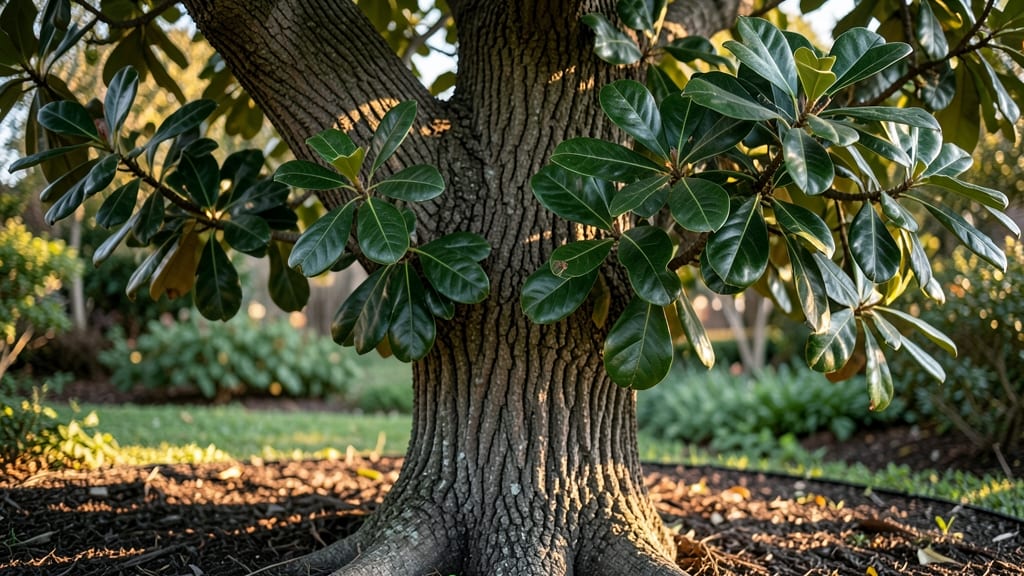
Your Southern magnolia tree’s bark isn’t just stunning—it’s a living record of its health. 🌳 The thick, textured ridges and deep green-gray hues tell the story of years of growth, but they also need your attention to stay resilient against sun scorch and fungal threats.
I’ve learned that pruning at the right time and with the right cuts keeps that iconic bark looking strong and your tree thriving for decades.
The bark’s natural armor is its thick, corky texture, but it’s not invincible. Sun scorch leaves ugly brown patches, while fungal diseases like anthracnose can weaken the tree’s defenses. Pruning in late winter or early spring—before new growth starts—helps prevent stress that could expose the bark to damage.
Focus on removing dead or crossing branches first; these are the biggest threats to that signature texture.
With proper care, your magnolia’s bark will develop deeper ridges and a richer color over time. The key is patience—this isn’t a fast process, but the payoff is a tree that stands out in any landscape.
You’ll also notice fewer pests and diseases once you establish a routine, and the tree’s overall shape becomes more balanced. It’s a slow transformation, but worth every effort.
If you’re in a hotter climate, mulching around the base helps protect the bark from extreme temperatures. And don’t forget: magnolias are slow to recover from aggressive pruning, so always use sharp tools and make clean cuts. Your tree’s bark will thank you for years to come.
📚 In This Guide
- What you need
- Instructions
- Tips and common mistakes
- Wrapping up and next steps
What you need
- ● Pruning shears: Sharp, bypass-style shears (for cuts up to ½ inch thick). Example: Felco F-2 or Corona Tools Classic.
- ● Loppers: Heavy-duty, bypass or anvil-style loppers (for cuts up to 2 inches thick). Example: Fiskars X27 or Bahco.
- ● Pruning saw: Curved-tooth saw for larger branches (2+ inches thick). Example: Felco F-20 or Corona Tools Pruner Saw.
- ● Ladder or extension pole: Sturdy, aluminum or fiberglass ladder (20+ feet tall) or a telehandler for high branches. Safety tip: Use a harness if working above 8 feet!
- ● Gloves: Heavy-duty, cut-resistant gloves (e.g., Mechanix Wear or PIP U-Tex).
- ● Disinfectant: 70% isopropyl alcohol or rubbing alcohol to sterilize tools between cuts (prevents disease spread).
- ● Heavy-duty trash bags: 10-gallon capacity for debris (2–3 bags per session).
- ● Work boots: Steel-toe or composite-toe boots for protection.
- ● Pruning sealant: Tree wound dressing (e.g., Tanglefoot Tree Wound Pruning Seal) for large cuts (controversial but useful for some growers).
- ● Safety glasses: Protect your eyes from debris.
- ● Work apron: Keeps tools handy and debris off your clothes.
- ● Garden hose: For rinsing tools post-pruning.
- ● Tagging tape: Colored tape to mark branches for future reference.
- ● Weather: Choose a dry, overcast day (avoid windy or rainy conditions).
- ● Timing: Best done in late winter or early spring (dormant season), but light pruning can happen year-round.
- ● Safety brief: Review ladder safety and power line clearance (keep branches 10+ feet away from lines!).
- ● Tree health check: Inspect for disease or pests (e.g., scale, sooty mold) before pruning.
How to prune a Southern magnolia for healthier bark and structure
Pruning magnolias isn't just about shaping—it's about protecting that stunning bark and keeping the tree thriving year after year.
✂️ Step 1: Time Your Pruning for Optimal Healing
Southern magnolias bleed sap heavily when pruned, so timing matters. The best window is late winter to early spring, just as buds swell but before new growth begins. This ensures cuts heal before summer heat and pests arrive. Avoid pruning in fall—wounds left open too long invite disease, and the tree won't have time to seal them before winter dormancy.
If you must prune in summer, do it after flowering (typically June) to avoid removing next year's blooms. Always prune on a dry day—wet bark and tools spread fungal spores. I like to schedule my pruning right after a dry spell when the tree's energy is focused on growth rather than stress recovery.
🌿 Step 2: Identify and Remove Problem Branches First
Start by removing dead, diseased, or crossing branches—these are the top priorities. Dead branches snap easily when bent; diseased ones may have discolored bark or oozing sap. Crossing branches rub together, creating wounds that mar the iconic magnolia bark. Use sharp pruning shears to make clean cuts just outside the branch collar (the swollen area where the branch meets the trunk).
Next, look for water sprouts—those fast-growing, upright shoots that steal energy from the main structure. These rarely produce flowers and often grow straight up, making the tree look top-heavy. Thin them out completely at the base. I always work from the inside out, removing branches that block light from reaching the center of the tree.
☀️ Step 3: Shape for Light and Airflow
Southern magnolias develop a rounded, vase-like shape naturally, but pruning helps maintain that form while improving airflow. Focus on opening the canopy by selectively removing branches that grow inward or downward. Aim to create a structure where sunlight reaches the inner bark—this prevents fungal issues and encourages even growth.
When thinning, never remove more than 25% of the tree's foliage in one season. Magnolias are sensitive to heavy pruning, and overdoing it stresses the tree, leading to weak bark and poor flowering. I like to make small adjustments each year rather than drastic changes—this keeps the tree's natural beauty intact while maintaining its health.
⏰ Step 4: Make Clean Cuts for Faster Healing
Use sharp pruning shears or a pruning saw (for branches thicker than ½ inch) to make clean, angled cuts. Avoid tearing the bark—this creates larger wounds that take longer to heal and may develop cankers. For larger branches, cut in three steps: First, make an undercut about 6 inches out from the trunk, then a top cut just outside the branch collar, and finally remove the remaining stub.
Seal larger cuts (over 2 inches in diameter) with pruning sealant to protect against pests and disease. For smaller cuts, let the tree's natural healing process take over—magnolias seal wounds with callus tissue over time. I always sterilize my tools between cuts with rubbing alcohol to prevent spreading disease from one branch to another.
🪴 Step 5: Monitor and Maintain Year-Round
After pruning, keep an eye on the tree for new growth—this signals the magnolia is recovering well. Water deeply if your area experiences a dry spell, especially during the first growing season after pruning. Mulch around the base (but not touching the trunk) to retain moisture and protect roots. Avoid heavy mulch piles, which can suffocate the tree and attract pests.
Twice a year, inspect the bark for cracks, peeling, or signs of scale insects (common on magnolias). These pests weaken the tree and can lead to bark damage. If you notice any issues, treat them early with neem oil or insecticidal soap. I also recommend fertilizing in early spring with a balanced, slow-release fertilizer to support new growth and bark health.
Tips & tricks for pruning Southern magnolias
These practical insights will help you protect that stunning bark while keeping your magnolia thriving for decades.
Timing is Everything: That late winter to early spring window is non-negotiable for healthy healing. I've seen magnolias stressed by summer pruning develop fungal infections because the wounds simply don't have time to seal before summer pests arrive. Mark your calendar for when buds begin to swell—this is your cue that the tree is ready. If you must prune in summer, June is your absolute last resort after flowering ends.
Branch Collar Awareness: The branch collar—the swollen area where branches meet the trunk—is where the tree's natural healing begins. Cutting too close to the trunk (or leaving a stub) disrupts this process and creates weak points. Practice making clean cuts just outside this collar on smaller branches first. For larger branches, that three-step cutting method (undercut, top cut, then removal) prevents bark tearing that can lead to cankers.
Seasonal Maintenance Strategy: Think of your magnolia's care as a year-round commitment. After pruning, schedule that deep watering every 10-14 days during dry spells to support healing. In early spring, when you're fertilizing, use a balanced, slow-release formula—this gives the tree steady nutrients without overwhelming it. I've found that trees pruned with this seasonal approach develop thicker bark and fewer water sprouts over time.
Tool Preparation Matters: Never underestimate the importance of sharp tools and clean cuts. Dull shears tear bark, creating larger wounds that take months to heal. I keep a small bottle of rubbing alcohol with my pruning kit and sterilize tools between every 3-4 cuts. This simple habit has prevented multiple fungal infections in my own trees. For branches over 2 inches thick, invest in a quality pruning saw—it makes those three-step cuts much cleaner than trying to force shears.
Pro Tips for Southern Magnolia Tree Bark
- These practical insights will help you protect that stunning bark while keeping your magnolia thriving for decades.
- Timing is Everything: That late winter to early spring window is non-negotiable for healthy healing.
- Branch Collar Awareness: The branch collar—the swollen area where branches meet the trunk—is where the tree's natural healing begins.
Frequently asked questions
about pruning Southern Magnolia tree bark—get quick answers to common concerns before you start!When is the best time to prune a Southern Magnolia to avoid damaging its bark?
The ideal time is late winter or early spring (just before buds swell) when the tree is dormant. Avoid pruning in summer or fall, as this can stress the tree and leave it vulnerable to pests or fungal infections. If you must prune in other seasons, do so sparingly and focus on removing dead or diseased branches.
Can I prune Southern Magnolia bark in winter? What risks does this pose?
While light pruning in late winter (after cold snaps) is safe, avoid heavy pruning during freezing temperatures. Risks include sap bleeding, weakened growth, or bark damage if branches snap under ice. If you must prune in winter, use sharp, sterile tools and work on mild days to minimize stress.
How do I prune Southern Magnolia without harming its thick, textured bark?
Southern Magnolia bark is tough but not indestructible—use these tips:
- Make clean cuts at a 45-degree angle just outside the branch collar (where the branch meets the trunk).
- Avoid tearing the bark—use pruning shears or a saw (never a hatchet or chainsaw).
- Seal cuts only if the bark is deeply gouged (use pruning sealant sparingly—healthy trees heal well without it).
What should I do if my Southern Magnolia’s bark looks damaged after pruning?
If you see peeling, blackened, or oozing bark post-pruning, act fast:
- Remove any dead or diseased branches immediately with sterilized tools.
- Apply a fungicide (like copper-based spray) if you spot mold or mildew.
- Monitor the tree for pests like scale insects—treat with neem oil if needed.
- Keep the area well-watered but not soggy to aid recovery.
Pro tip: If damage is minor, the tree will likely self-seal within a season!
Are there alternatives to pruning if my Southern Magnolia’s bark is already damaged?
If the bark is severely compromised (e.g., from storms or disease), pruning may not be enough. Consider:
- Mulching around the base to protect roots and improve soil health.
- Applying a bark protectant (like tree wound dressing) to large wounds.
- Consulting an arborist for professional assessment—sometimes partial removal of damaged sections is safer than heavy pruning.
For minor cosmetic issues, focus on preventative care like proper watering and avoiding mechanical damage (e.g., lawnmowers near the trunk).
Wrapping up and next steps
Mastering the art of pruning your Southern magnolia tree bark isn’t just about aesthetics—it’s about nurturing a thriving, long-lived tree that stays healthy year-round. 🌳 From timing your cuts to sharpening your tools, every step plays a role in keeping your magnolia strong and beautiful.
With the right techniques, you’ll enjoy lush foliage, vibrant blooms, and a sturdy structure for decades to come.
Ready to take the next step? Grab your pruners, review your notes, and schedule that first pruning session—your magnolia will thank you! 🌿 For even more expert tips, consider consulting a local arborist or joining a gardening community to share your progress.