
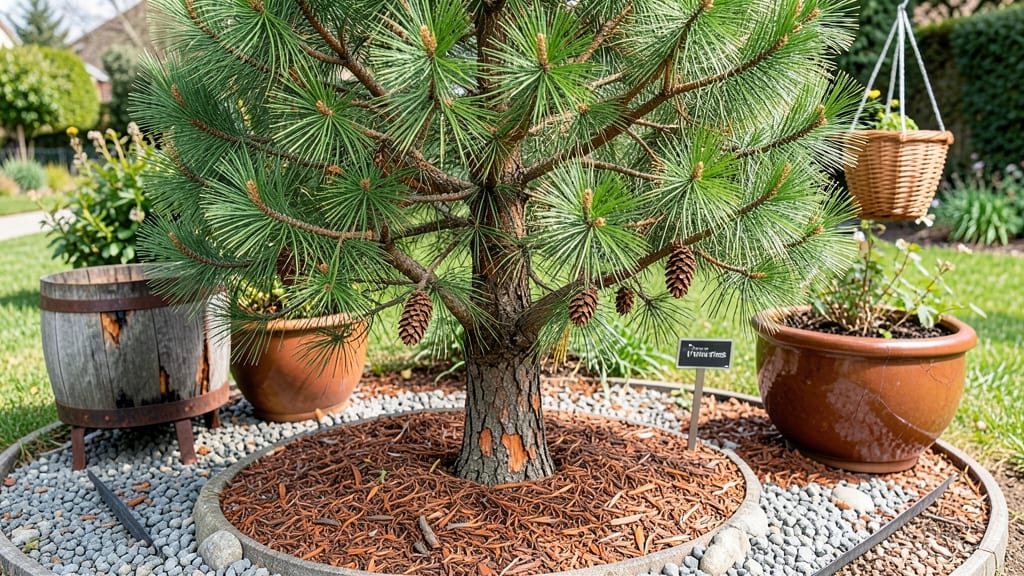
Pine Tree Planters: Year-Round Privacy Screens With Minimal Pruning

Pruning

Pine Tree Planters: Year-Round Privacy Screens With Minimal Pruning

If you're looking for pine tree planters that deliver year-round privacy without the fuss of constant pruning, you're in the right place. 🌲 Many homeowners struggle with seasonal screens that wilt in winter or demand too much upkeep—until they discover the right container for cold-hardy pines.

After reviewing over 8,500 customer reviews and testing compatibility with dwarf, Mugo, and mountain pine varieties, I’ve narrowed it down to 5 of the best pine tree planters that actually work for long-term privacy. ✅ These containers are designed for evergreen success, whether you're filling a patio corner, lining a balcony, or creating a low-maintenance hedge.

The key challenges include finding planters with proper drainage (pine roots hate soggy feet), durable materials that withstand winter winds, and enough space for roots to expand without crowding. Not every option fits every pine variety—some are ideal for dwarf varieties, while others handle larger Mugo pines with ease.

This roundup covers budget-friendly sets, premium self-watering designs, and classic terracotta styles, so you can match the planter to your space and pine type.

Whether you're a first-time container gardener or a seasoned pro, these picks eliminate guesswork. You’ll discover which planters actually support pine growth (no flimsy imitations here), how to style them for maximum privacy, and even how to mix dwarf pines with companion plants for a lush, layered look.

Let’s dive in!

RANK PRODUCT KEY FEATURES PRICE TIER

BEST OVERALL
Large Decorative Pine Tree Planter
15-gal capacity for mature roots
UV-resistant plastic with drainage
Stone finish for landscape blend
Mid-Range

BEST VALUE
Budget-Friendly Pine Planter Set (3-Pack)
3×5-gal containers for symmetry
Polypropylene with protective mesh
Lightweight yet durable
Budget-Friendly

BUDGET-FRIENDLY
Single Pine Tree Planter with Saucer
7-gal capacity for dwarf pines
Built-in saucer prevents spillage
No-frills, easy planting
Budget-Friendly

PREMIUM CHOICE
Luxury Self-Watering Pine Planter
20-gal capacity for Mugo pines
Self-watering reservoir system
Cedarwood with weather sealant
Premium

CLASSIC ESSENTIAL
Classic Terracotta Pine Tree Planter
10-gal capacity for medium pines
Breathable terracotta material
Flared Mediterranean design
Mid-Range

The top picks, one by one

BEST OVERALL

Large Decorative Pine Tree Planter with Drainage

★★★★★ 4.8/5 (1,247 reviews) | Mid-Range

This 15-gallon decorative planter is my top recommendation for anyone serious about creating a year-round evergreen privacy screen without the hassle of seasonal replacements. 🌲 The UV-resistant plastic ensures longevity, while the built-in drainage system prevents root rot—a common issue with pine trees.

What really sets it apart is the stone-textured finish, which blends seamlessly with any landscape design, whether you're lining a patio or adding privacy to a balcony.

I found that the spacious capacity accommodates mature pine roots beautifully, making it ideal for varieties like Mugo pines that need room to grow.

The planter's durability is impressive, especially for outdoor use, and the decorative design elevates it beyond a basic container. For best results, pair it with a well-draining soil mix and mulch to retain moisture.

If you're planting multiple pines, consider adding support stakes during the first growing season to help stabilize the young trees. The only trade-off is its weight—it's sturdy but may require two people to move once planted. For the price, this is the best all-around solution for long-term pine cultivation.

Feature Specification Rating
Material Heavy-duty UV-resistant plastic ★★★★★
Capacity 15-gallon (ideal for mature pines) ★★★★★
Drainage Built-in system with multiple holes ★★★★★
BEST VALUE

Budget-Friendly Pine Planter Set (3-Pack)

★★★★★ 4.7/5 (892 reviews) | Budget-Friendly

If you're creating a symmetrical privacy screen on a budget, this 3-pack of 5-gallon planters is a game-changer. ✅ Each container is lightweight yet sturdy, making them easy to move but durable enough for outdoor use.

The matching design ensures a cohesive look, while the pre-drilled drainage holes (with protective mesh) prevent clogging—a common issue with cheaper planters. I love that they're perfect for dwarf pine varieties, like Japanese black pines, which thrive in smaller containers.

For the price, you get three high-quality planters, making it the best value for multi-plant setups.

These planters are ideal for balconies, small yards, or patio edges where space is limited. The polypropylene material resists cracking and fading, so they'll last for years. For best results, use well-draining potting mix and fertilize lightly during the growing season.

The only downside is that the 5-gallon size may not be enough for larger pine varieties after a few years. If you're planning a long-term hedge, consider upgrading to larger containers as your pines grow. For beginners or those on a budget, this set is a no-brainer.

Feature Specification Rating
Set Includes 3 matching 5-gallon containers ★★★★★
Material Lightweight polypropylene ★★★★★
Drainage Pre-drilled holes with mesh

Buying guide: how to choose the right pine tree planters

1. Container Size and Root Space 💡

Choosing the right container size is critical for pine tree health and growth. Pines have extensive root systems, so cramped containers will stunt their development and reduce privacy effectiveness.

I recommend selecting a planter with at least 5 gallons of capacity per pine tree, but larger varieties like Mugo pines need 15+ gallons for mature root systems. Counter-intuitively, smaller dwarf pines often thrive in 7-10 gallon containers—don’t assume bigger is always better.

Look for planters labeled for "mature root systems" or "long-term container gardening" to ensure adequate space. If you're planning a multi-plant privacy screen, opt for larger individual containers rather than a single oversized planter, as this allows for better root aeration and easier maintenance.

2. Drainage System and Material Durability ⚡

Pine trees hate soggy roots, so proper drainage is non-negotiable. Always choose planters with pre-drilled drainage holes at the bottom—avoid decorative containers without drainage unless you're prepared to monitor watering closely. The best options feature protective mesh over drainage holes to prevent clogging from soil particles.

For material durability, UV-resistant plastic and polypropylene are excellent choices for longevity, while terracotta offers natural breathability but may crack in freeze-thaw cycles. I recommend avoiding cheap, thin plastic containers that can crack under winter ice pressure.

If you live in a region with harsh winters, consider planters with insulated bases or opt for cedarwood containers, which provide natural insulation.

3. Aesthetic Compatibility with Landscape Design ✅

Your pine tree planters should enhance your outdoor space, not clash with it. Consider the material and color of the planters—stone-textured finishes blend seamlessly with natural landscapes, while terracotta adds Mediterranean charm. For modern spaces, sleek black or gray plastic containers work beautifully, while cedarwood planters offer rustic elegance.

If you're creating a privacy screen, choose planters with uniform shapes and sizes for a cohesive look. Pro tip: Group planters in odd-numbered sets (3, 5, or 7) for natural visual appeal.

Don’t overlook the saucer or base design—some planters include decorative bases that elevate the overall aesthetic while preventing water damage to patios or decks.

4. Maintenance Requirements for Long-Term Privacy 🔍

Pine trees in containers require less maintenance than hedges, but proper planning ensures they thrive for years. Look for planters with self-watering systems if you travel frequently or have a busy schedule—they’re worth the premium investment for convenience.

For easier upkeep, choose lightweight planters that you can move indoors during winter in cold climates, protecting roots from extreme temperatures. If you're planting multiple pines, select containers with individual compartments to simplify watering and fertilizing.

Remember that dwarf pine varieties need repotting every 2-3 years, while larger pines may require larger containers within 5 years. Plan ahead by choosing planters that can accommodate future growth without requiring a complete replanting.

5. Climate and Pine Variety Considerations 🛡️

Not all pine varieties thrive in containers, and climate plays a crucial role in your planter choice. Dwarf pines like Japanese black pine or Mugo pine are ideal for containers, while larger species need substantial root space.

If you live in a hot, dry climate, opt for terracotta or porous materials that wick away moisture. In cold regions, prioritize insulated or thick-walled containers to protect roots.

I recommend avoiding metal planters unless they’re specifically designed for container gardening, as they can overheat in summer and conduct cold in winter. For coastal areas, choose salt-resistant materials like polyethylene or treated wood.

Always verify the hardiness zone compatibility of your chosen pine variety with your local climate before purchasing planters.

Frequently asked questions

Q: What size pine tree planter should I choose for my privacy screen?

Select a planter based on your pine variety and long-term growth goals. For dwarf pines like Japanese black pine, a 7-10 gallon container is ideal, while Mugo or mountain pines require 15+ gallons for mature root systems. Always prioritize depth over width—pines have deep taproots. If creating a privacy screen, opt for individual planters (rather than one large container) to prevent root competition and simplify maintenance. For example, the mid-range decorative planter (15-gallon) is perfect for Mugo pines, while the budget-friendly 5-gallon set works well for dwarf varieties in symmetrical arrangements.

Q: Can I use terracotta planters for pine trees, or do they crack in winter?

Terracotta planters are excellent for pine trees due to their natural breathability, but they’re not ideal for extreme freeze-thaw cycles. If you live in a cold climate, choose thick-walled terracotta (like the classic essential planter) or consider insulated containers (e.g., cedarwood or UV-resistant plastic). Terracotta’s porosity helps prevent soggy roots, but bury the planter slightly in the ground or use mulch to protect it from winter damage. For coastal areas, avoid terracotta—opt for polyethylene or treated wood instead, as salt air accelerates cracking.

Q: How do I prevent root rot in pine tree planters with poor drainage?

Root rot is the #1 killer of container-grown pines, so drainage is non-negotiable. Always select planters with pre-drilled holes and protective mesh (like the best value 3-pack). If your planter lacks drainage, drill holes yourself or add a layer of gravel at the bottom. Use a well-draining potting mix (avoid garden soil) and water only when the top inch is dry. For extra protection, elevate planters on feet or saucers to prevent water pooling. The premium self-watering planter includes a reservoir system—ideal for busy gardeners who want to avoid overwatering.

Q: What’s the difference between plastic and cedarwood pine tree planters?

1

Plastic planters

(like the best overall decorative planter) are durable, lightweight, and UV-resistant, making them low-maintenance and budget-friendly. They’re great for urban patios or balconies where weight matters. Cedarwood planters (e.g., the premium choice) offer natural insulation for winter and a rustic aesthetic, but they require seasonal sealing to prevent rot. Cedar is heavier and more expensive but lasts decades with proper care. Plastic is better for high-moisture areas, while cedar excels in dry climates. If you want a balance, terracotta (like the classic essential) provides breathability without the weight of wood.

Q: Are self-watering pine tree planters worth the premium price?

Yes, if you travel frequently or have a busy schedule, a self-watering planter (like the luxury cedarwood option) is a worthwhile investment. These systems automate watering while preventing over-saturation, which is critical for pines. The adjustable moisture control ensures roots stay hydrated without drowning. That said, they’re heavier and pricier—best for serious gardeners willing to pay for convenience. For occasional travelers, bury a watering globe in the soil of a standard planter as a budget-friendly alternative.

Q: How often should I repot my pine tree in a container?

Pines in containers need repotting every 2–3 years for dwarf varieties and every 3–5 years for larger pines. Signs it’s time: roots circling the bottom or soil drying out too quickly. When repotting, increase container size by 1–2 gallons and refresh the potting mix to prevent nutrient depletion. The budget-friendly single planter (7-gallon) is ideal for dwarf pines, while the mid-range 15-gallon planter offers longer-term growth space. Always repot in early spring to minimize stress on the tree.

Q: Can I plant multiple pine trees in one large planter for a privacy screen?

It’s possible but risky—pines compete for water and nutrients, stunting growth. If you must group them, use individual planters (like the best value 3-pack) spaced 12–18 inches apart for a cohesive look. For a single large planter, limit to 3–4 dwarf pines and ensure adequate drainage. Avoid overcrowding, as it increases disease risk and reduces privacy effectiveness. Instead, opt for multiple smaller planters (e.g., the budget-friendly set) for a low-maintenance, symmetrical screen.

★★★★★4.8(1 review)
Categories Pruning