
Pruning
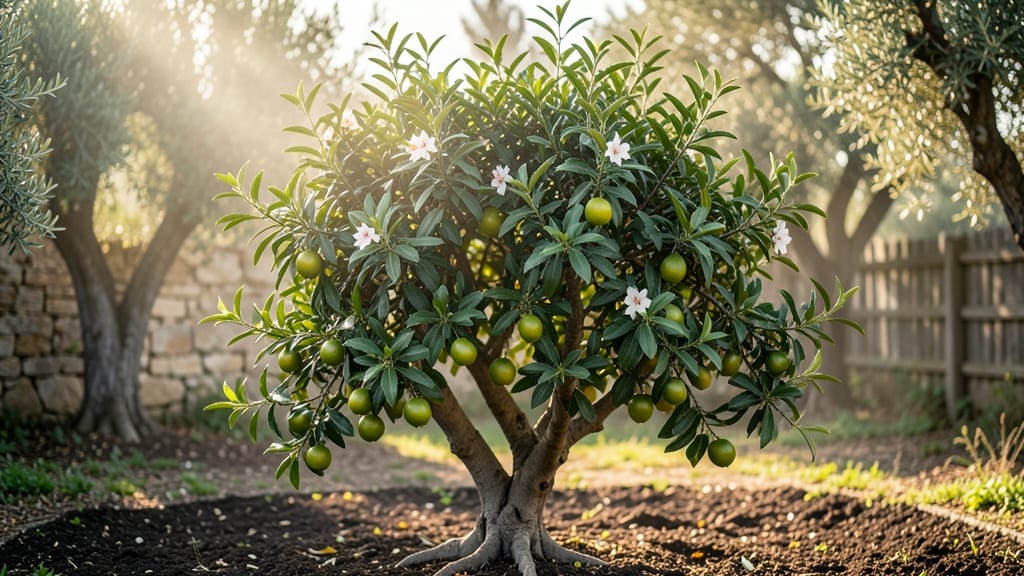
Growing a lime tree with thorns means trading sharp defenses for lush, fragrant foliage that doubles as natural privacy. 🌿 I’ve learned the hard way—those thorns aren’t just for show; they protect a tree that thrives in heat and drought once you understand its quirks.
The key? Pruning strategically to reduce thorns while keeping the tree dense and productive.
Start with the right spot: full sun and well-draining soil are non-negotiable. Mexican lime trees (the thorny kind) handle poor soil better than most, but they hate soggy roots. Water deeply once a week after establishment, then let the soil dry between waterings.
The thorns thin out naturally as the tree matures, but aggressive pruning in late winter keeps them manageable.
By summer, you’ll have a tree that’s both productive and pretty—bright green leaves, fragrant blossoms, and (with careful pruning) fewer thorns to deal with. The trade-off? More limes, better shade, and a privacy screen that’s tougher than bamboo. Just don’t forget gloves when you prune!
Works best in zones 8-11, but container growing extends its range. The thorns soften over time, and with the right care, you’ll forget they were ever a problem. Ready to turn that sharp tree into a lush, low-maintenance hedge?
📚 In This Guide
- What you need
- Instructions
- Tips and common mistakes
- Wrapping up and next steps
What you need
- ● Pro tip: 💡 Check local regulations before pruning—some areas require permits for trees over a certain size or near power lines!
How to grow a lime tree with thornless growth for privacy
Here's the straightforward approach I use to grow a lush, thornless lime tree that thrives year-round.
🌱 Step 1: Select the Right Thornless Variety
Not all lime trees are thornless, so start with a proven variety like 'Bearss' or 'Eureka' grafted onto a thornless rootstock. These hybrids grow just as productive but with far fewer defensive spines. I always check the nursery tag—some "thornless" claims are exaggerated, and you'll still find occasional thorns on new growth.
Look for young trees already showing smooth stems. Avoid trees with visible thorns, even if they're small—these will persist as the tree matures. A 3-4 foot tree in a 15-gallon container is ideal for immediate privacy impact while being manageable to shape.
☀️ Step 2: Plant in Full Sun with Proper Spacing
Lime trees need 6-8 hours of direct sun daily for best growth and fruit production. In hot climates, afternoon shade prevents leaf scorch. I plant mine where they get morning sun and afternoon shade from a nearby structure—this keeps the foliage dense while protecting the fruit from sunburn.
Space trees 10-15 feet apart for mature size, but closer if you're creating a hedge. The first year is critical—plant too close, and they'll compete for light and nutrients, leading to sparse growth. Use a 15-20 foot tape measure to mark the spot before digging to ensure proper spacing.
🪴 Step 3: Prune for Density and Thorn Control
Prune in late winter or early spring before new growth begins. Remove any visible thorns by cutting just above the branch collar—this encourages smoother growth from that point forward. I also thin out crowded branches to improve airflow, which reduces disease risk and keeps the tree healthier overall.
Shape the tree into a rounded form by cutting back 1/3 of the longest branches each year. This not only controls thorn development but also creates a fuller, more private hedge. Use clean, sharp pruners to avoid tearing the bark, which can introduce infections.
💧 Step 4: Water Deeply and Mulch Regularly
Water deeply once a week during the first year, soaking the soil to 12-18 inches deep. You'll know it's enough when water runs out the drainage holes. Overwatering causes root rot, while underwatering stresses the tree and encourages thorny growth as a survival mechanism.
Apply 2-3 inches of mulch around the base, keeping it 6 inches away from the trunk. I use wood chips because they break down slowly and improve soil structure over time. Replenish the mulch layer annually to maintain moisture and suppress weeds, which compete with your lime tree for nutrients.
✂️ Step 5: Fertilize for Vigorous, Thorn-Free Growth
Use a balanced citrus fertilizer (6-6-6 or 8-8-8 ratio) in early spring and again in mid-summer. Follow the package instructions for application rates—over-fertilizing burns roots and stresses the tree, leading to thornier growth. I mix the fertilizer into the top 2 inches of soil rather than applying it on the surface for better absorption.
Add 1 cup of Epsom salt to the soil in early spring to boost magnesium levels, which helps prevent thorny growth. You'll notice smoother stems and more vibrant foliage within a few weeks. Avoid high-nitrogen fertilizers, which encourage leafy growth at the expense of fruit production and can make the tree more susceptible to pests.
Tips & tricks for perfect thornless lime trees
Real talk: Even with the right variety, thornless lime trees need extra attention to stay smooth and productive. Here's how I keep mine lush and spine-free.
Variety Verification: That nursery tag matters—some "thornless" claims are misleading. I always ask for the graft union certificate to confirm the rootstock is truly thornless. If you see any thorns on new growth, it's a sign the tree isn't what it claims. For extra peace of mind, I buy from specialty citrus nurseries that guarantee thornless varieties.
Sunlight Strategy: Those 6-8 hours of daily sun are non-negotiable, but placement matters just as much. I position my trees where they get morning sun and afternoon shade—this prevents leaf scorch while maintaining dense foliage. In hot climates, a sheer curtain on the west side can work wonders without blocking all light.
Pruning Precision: When you're cutting back those 1/3 longest branches in Step 3, make every cut at a 45-degree angle just above a leaf node. This encourages smoother regrowth from that point forward. I also prune in stages—first removing any visible thorns, then shaping, then thinning—so I don't stress the tree all at once. The key is to work when the tree is dormant in late winter or early spring.
Pro Tips for Lime Tree With Thorns
- Real talk: Even with the right variety, thornless lime trees need extra attention to stay smooth and productive.
- Variety Verification: That nursery tag matters—some "thornless" claims are misleading.
- Sunlight Strategy: Those 6-8 hours of daily sun are non-negotiable, but placement matters just as much.
Frequently asked questions
Got questions about growing a thornless lime tree for privacy? You’re not alone!
Here are answers to the most common concerns—from pruning tips to troubleshooting—so you can keep your yard lush and low-maintenance.
How do I encourage a lime tree to grow thicker and denser without thorns?
Prune aggressively in late winter or early spring by cutting back one-third of the tree’s height. Focus on removing vertical growth and thinning out crowded branches. Use sharp shears to avoid tearing bark, and fertilize with citrus-specific nutrients (high in nitrogen) to boost foliage density. Repeat every 6–12 months for a bushier, thorn-free hedge.
When is the best time to prune a lime tree to prevent thorns?
The ideal window is late winter to early spring (before new growth starts) or right after harvest (fall). Avoid pruning during hot summers or frost—stress triggers thorn production. For container-grown trees, prune lightly in early summer to shape growth without shocking the plant.
Can I use the same pruning techniques for both Meyer and Persian lime trees?
While both respond well to pruning, Meyer limes (hardier, less thorny) tolerate heavier cuts, while Persian limes (more sensitive) need gentler shaping. Persian limes may produce more thorns if over-pruned—stick to 10–20% annual reduction and prioritize air circulation. Always sterilize tools between trees to prevent disease spread!
What should I do if my lime tree still has thorns after pruning?
Thorns often persist due to overcrowding, poor nutrition, or stress. Try these fixes:
- Boost nitrogen (use a 3-1-2 fertilizer) to promote leafy growth over thorns.
- Space trees 8–10 feet apart to reduce competition and improve airflow.
- Hand-pin thorn buds when they’re small (wear gloves!)—they’re most vulnerable at the swollen bud stage.
Are there thornless lime tree alternatives for privacy screens?
Yes! If thorns are a dealbreaker, try these low-thorn or thornless options:
Variety
Thorn Level
Growth Habit
‘Improved Meyer’ Lime
Minimal thorns (soft, flexible)
Compact, bushy (6–10 ft tall)
‘Bearss’ Lime
Thornless (rare for limes!)
Tall (15–20 ft), upright
‘Sweet Lime’ (Citrus × limonia)
Near-thornless
Dense foliage (10–15 ft)
For faster privacy, pair with thornless hawthorn (Crataegus) or ornamental olive trees.
Wrapping up and next steps
Transforming your lime tree with thorns into a lush, thornless privacy screen is totally within reach! 🌿 With the right tools, techniques, and timing, you can enjoy a year-round green barrier while keeping those pesky thorns at bay.
Whether you’re pruning for aesthetics, safety, or ease of maintenance, consistency is key—so grab your shears and get growing!
Ready to take the next step? Start small by tackling one section at a time, and soon, your backyard will be the envy of the neighborhood. Happy pruning! 🌱