
Leaf Blower
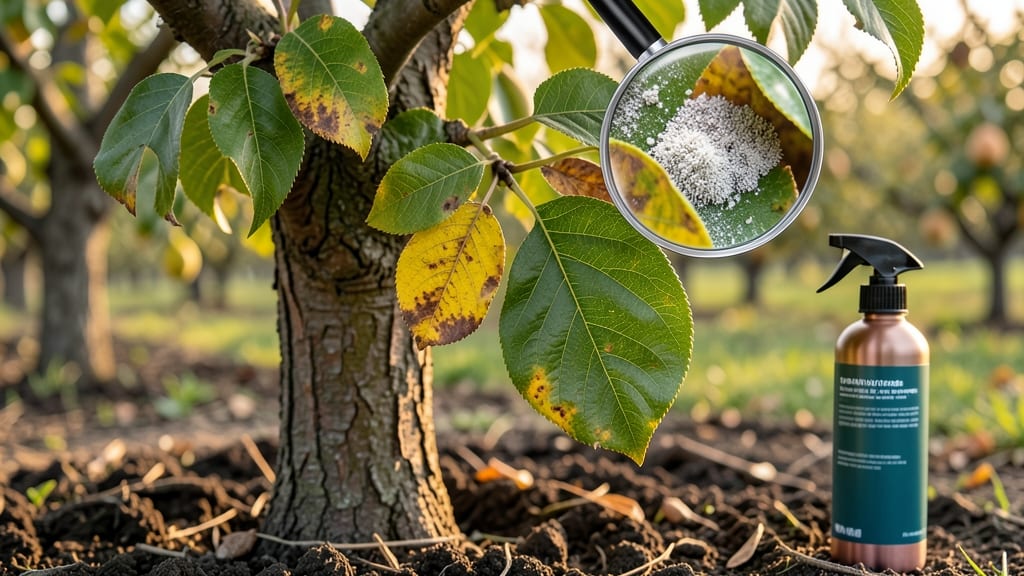
Peach tree curly leaf fungus turns your tree’s leaves into twisted, leathery messes overnight—🌿 and if you’ve seen it, you know how devastating it can be. The good news? This fungal infection is treatable, and with the right steps, you can restore your tree’s health before the season’s over.
I’ve battled this myself, and I’ll walk you through exactly what to look for, how to stop it, and how to keep your peach tree thriving year after year.
This fungal disease, caused by Taphrina deformans, thrives in damp, humid conditions and spreads quickly if left unchecked. You’ll spot it first on young leaves—thickened, curled, and often a yellowish-green color. The longer it goes untreated, the more it weakens your tree, reducing fruit production and even stunting growth.
But here’s the key: catching it early makes all the difference, and I’ll show you how to do that with simple, no-fuss methods.
You’ll learn organic and chemical treatments that actually work, from copper fungicides to homemade sprays, plus cultural fixes like pruning infected branches and improving airflow. By the end, your tree won’t just survive—it’ll bounce back stronger, with lush, healthy foliage and a full harvest.
The best part? These steps keep your tree protected for seasons to come, so you won’t have to panic every spring.
Whether you’re dealing with a single branch or your whole tree is affected, this guide gives you the tools to turn things around. No more helplessly watching your peach tree suffer—just clear, actionable steps to bring it back to life. Let’s get your tree healthy again.
Root Causes Behind Leaf Distortion
Understanding why your peach tree develops curly leaf fungus starts with peeling back the layers of its fungal triggers. This condition—officially known as Taphrina deformans—isn’t just a random attack; it’s a precise biological response to specific environmental and host vulnerabilities.
Let’s break down the three primary culprits behind this frustrating leaf curl, so you can address them with confidence.
The primary driver of curly leaf fungus is the Taphrina deformans pathogen, a microscopic fungus that thrives in damp, humid conditions. Here’s how it spreads:
- Windborne spores: The fungus overwinters in infected buds or fallen leaves, releasing spores when spring arrives.
A single gust of wind can carry these spores miles, landing on healthy peach trees and infecting new leaves. - Rain splash: Heavy rainfall or overhead irrigation can splash spores from infected leaves onto nearby trees, accelerating outbreaks. - Contaminated tools: Pruners, rakes, or even your hands can transfer spores from one tree to another if not properly sanitized.
Why it matters: Unlike many plant diseases, Taphrina deformans doesn’t need a wound to infect—it penetrates healthy leaf tissue through natural openings like stomata (tiny pores). Once inside, it disrupts cell growth, causing the signature curling and thickening.
This fungus doesn’t just happen—it waits for the perfect storm (literally). Curly leaf outbreaks spike when these conditions align:
- Cool, wet springs: Temperatures between 50–70°F (10–21°C) with high humidity (70%+) create ideal conditions for spore germination and fungal growth.
- Delayed dormancy: If winter wasn’t cold enough to kill overwintering spores, or if buds break too early (due to warm spells), the fungus gets a head start before the tree’s defenses kick in.
- Poor air circulation: Dense foliage or tightly packed trees trap moisture, giving the fungus a moisture-rich playground to thrive.
Pro tip: 🌡️ Monitor your local 10-day forecast in late winter/early spring. If you see consistent rain + temps in the 60s, it’s time to proactively treat your trees.
A healthy peach tree can fight off Taphrina deformans, but stress opens the door for infection. Common stressors include:
- Nutrient deficiencies: Low potassium (K) or zinc (Zn) weakens cell walls, making leaves more susceptible.
A quick soil test can reveal imbalances. - Water stress: Overwatering (leading to root rot) or drought both compromise the tree’s ability to resist pathogens. - Physical damage: Hail, frost, or improper pruning can create entry points for spores, even if the tree isn’t directly infected. - Young or mature trees: Newly planted trees lack established defenses, while overmature trees (20+ years) may have declining vigor.
Actionable fix: 💪 Boost tree resilience with a balanced fertilizer (high in K) and mulch to retain moisture without suffocating roots.
Key takeaway: Curly leaf fungus is a team effort between the pathogen, weather, and tree health. By targeting these three root causes—spores, weather, and stress—you can break the cycle and protect your peach tree’s future harvests.
Next up: how to spot early signs before the damage spreads!
How to Treat and Prevent Fungal Woes
Fungal infections like peach tree curly leaf fungus can feel like a losing battle, but with the right approach, you can revive your tree and keep it thriving—without resorting to harsh chemicals.
Below, we break down practical, step-by-step solutions tailored to the root causes of the problem, plus prevention tips to stop it from returning.
The key to beating curly leaf fungus is catching it early. If you spot:
- Yellowing or curling leaves (especially on new growth)
- Stunted or distorted foliage
- Black or brown spots on the undersides of leaves
✅ Do this NOW:
- Prune infected branches (at least 6 inches below the visible damage) using sterilized pruners (wipe with rubbing alcohol between cuts).
- Remove and destroy fallen leaves and debris—do not compost them (fungus spores can survive).
- Bag and dispose of severely infected leaves in the trash (not your yard waste).
🌿 Organic Remedies (Best for Mild Cases)
If your tree is only mildly affected, try these non-toxic but effective methods:
- 🍄 Copper Fungicide Sprays
- Why? Copper disrupts fungal spores without harming beneficial insects.
- How? Apply early morning or late evening (to avoid burning leaves) every 7–10 days until new growth appears healthy.
- DIY Option: Mix 1 tsp copper sulfate with 1 gallon of water (or use a pre-mixed organic copper fungicide).
- 🧴 Baking Soda Solution (Preventative Spray)
- Why? Mildly alkaline, it creates an unfriendly environment for fungi.
- How? Mix 1 tbsp baking soda + 1 tsp horticultural oil + 1 gallon of water. Spray every 2 weeks during wet seasons.
- 🌱 Neem Oil (Natural Fungicide & Repellent)
- Why? Contains azadirachtin, which inhibits fungal growth and deters future spores.
- How? Spray neem oil solution (1 tsp neem oil + 1 tsp mild soap + 1 quart water) on both leaf surfaces every 10–14 days.
- 🪴 Beneficial Microbes & Compost Tea
- Why? Boosts tree resilience and outcompetes harmful fungi.
- How? Apply compost tea (homemade or store-bought) to the soil and foliage monthly during growing season.
💊 Chemical Treatments (For Severe Cases)
If the fungus has spread aggressively, conventional fungicides may be necessary:
- 🔬 Systemic Fungicides (e.g., Myclobutanil, Propiconazole)
- Why? Absorbed by the tree, they protect new growth for weeks.
- How? Follow label instructions—apply at first sign of infection and reapply every 2–4 weeks during wet conditions.
- 🍂 Contact Fungicides (e.g., Chlorothalonil)
- Why? Kills fungus on contact but requires frequent reapplication.
- How? Spray thoroughly (covering both leaf sides) every 7–14 days until symptoms disappear.
⚠️ Pro Tip: Always rotate fungicides (organic + chemical) to prevent resistance in fungal strains.
Fungus thrives in moist, shaded conditions. Adjust your tree’s environment to dry it out and strengthen its defenses:
| Problem Cause | Solution | Prevention Tip |
|---|---|---|
| Overhead Watering | Switch to drip irrigation or soaker hoses to keep leaves dry. | Water early in the day so leaves dry by evening. |
| Poor Air Circulation | Thin out dense branches to improve airflow. | Prune regularly to reduce humidity near the canopy. |
| Compacted Soil | Aerate the soil with a garden fork and add organic mulch (2–3 inches). | Use wood chips or straw (not plastic mulch, which traps moisture). |
| High Humidity | Place a fan on low speed near the tree (if possible) to improve airflow. | Plant less susceptible varieties (e.g., ‘Redhaven’ peaches) in drier microclimates. |
Once your tree recovers, prevent reinfection with these proactive steps:
💡 🌱 Choose Resistant Varieties
- Some peach cultivars (like ‘Elberta’ or ‘Relenta’) are less prone to fungal diseases. Check with your local extension office for region-specific recommendations.
💡 🌡️ Monitor Weather Conditions
- Fungus loves heat + humidity. If your area is prone to rainy summers, schedule preventative sprays (copper or neem oil) before the rainy season starts.
💡 🍂 Clean Up Religiously
- Rake and remove all fallen leaves and fruit mummies (dried, infected fruit) twice a year (spring and fall).
- Sterilize pruning tools with rubbing alcohol between cuts to avoid spreading spores.
💡 🌿 Boost Tree Health Naturally - Fertilize with balanced, slow-release fertilizer (avoid nitrogen-heavy mixes, which encourage soft, fungus-prone growth). - Mulch properly (3–4 inches of organic mulch, keeping it 6 inches away from the trunk). - Test soil pH—peach trees prefer slightly acidic soil (pH 6.0–6.5).
Adjust with lime (to raise pH) or sulfur (to lower pH) if needed.
If your tree is severely infected (more than 30% of leaves affected) or you’re unsure about chemical use, consult a certified arborist.
They can: - Diagnose the exact fungus (sometimes curly leaf resembles other diseases). - Recommend targeted treatments based on your tree’s health. - Assess structural damage to prevent branch dieback.
🌟 Final Encouragement: With consistent care and early action, your peach tree can bounce back stronger than ever. Stay vigilant, adjust your gardening habits, and soon, you’ll be enjoying sweet peaches (not just leafy struggles)! 🍑✨
Frequently asked questions
What do peach tree leaves look like with curly leaf fungus?
Infected leaves develop thickened, curled edges that appear leathery to the touch. You’ll notice a yellowish-green color on the upper surface and black or brown spots on the undersides. The curling starts at the edges and progresses inward, making leaves look distorted and stunted. Check young leaves first—they’re most vulnerable!
Can I save my peach tree if it already has curly leaf fungus?
Yes! Early action is key. Prune infected branches immediately (6+ inches below damage), remove all fallen leaves, and apply copper fungicide or neem oil every 7–10 days. For severe cases, systemic fungicides like myclobutanil can help. With consistent care, your tree can recover—just don’t let it spread to healthy branches.
Will rain make the fungus worse?
Rain splashes spores onto healthy leaves, accelerating spread. Overhead watering worsens it too. Switch to drip irrigation and water early in the day so leaves dry by evening. If heavy rain is forecast, apply a preventative fungicide spray beforehand.
How do I prevent curly leaf fungus next year?
Focus on three key strategies:
- Sanitation—remove all infected leaves and sterilize tools;
- Improved airflow—thin dense branches and avoid overcrowding;
- Preventative sprays—apply copper fungicide or neem oil before rainy seasons. Also, choose resistant peach varieties like ‘Elberta’ if possible.
Is curly leaf fungus harmful to humans or pets?
No, this fungus only affects peach trees and poses no risk to humans or pets. However, chemical fungicides can be toxic if ingested or inhaled—always follow label instructions and wear gloves/masks when applying. Organic options like copper or neem oil are safer alternatives.