
Pruning
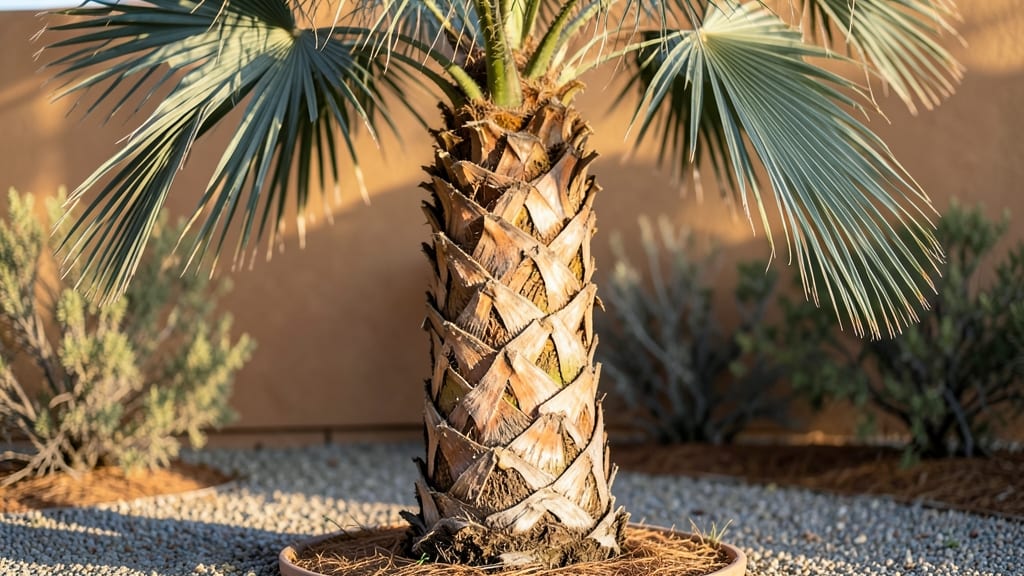
Seeing the palm tree bark falling off isn’t just unsightly—it’s a cry for help. 🌿 Whether it’s from fungal infections like Ganoderma, environmental stress, or just natural aging, ignoring it can weaken your tree’s structure and health over time.
The good news? With the right approach, you can often stop the damage and restore your palm’s strength.
Most bark loss starts with small brown spots or cracks that spread. If you see white fungal growth at the base or soft, spongy tissue when you probe the trunk, that’s a red flag.
Environmental factors like drought, poor drainage, or sudden temperature swings also trigger bark sloughing. The key is catching it early—before the tree’s stability becomes compromised.
You can prune dead fronds to reduce stress, apply fungicide to infected areas, and improve soil drainage. For severe cases, consulting an arborist ensures you don’t accidentally harm the tree further.
The goal isn’t just to stop the bark loss—it’s to give your palm the support it needs to thrive for years.
Prevention is easier than repair: water consistently, mulch properly, and avoid over-pruning. With these fixes, your palm can recover—and keep standing tall for seasons to come.
Why it happens
When your palm tree starts shedding its bark, it’s often a sign that something isn’t quite right—whether it’s environmental stress, disease, or even natural aging. But don’t panic! Many of these issues are fixable once you pinpoint the root cause.
Below, we break down the most common reasons why palm tree bark peels away, along with the science behind each one.
Palm trees are tropical plants, meaning they thrive in warm, stable climates. When temperatures plummet suddenly (like unexpected frost) or soar into prolonged heatwaves, the tree’s protective outer layer can react by shedding bark to regulate moisture loss and protect vital tissues underneath.
- Cold Damage: Freezing temps (<32°F/0°C) can cause cellular rupture in the bark, leading to peeling as the tree attempts to isolate damaged areas. This is common in species like Sabal palmetto or Washingtonia filifera when exposed to unseasonal cold snaps.
- Heat Stress: Intense sun combined with dry air forces the tree to shed old, sunburned bark to expose newer, healthier layers. Look for brown or blackened patches before peeling begins.
💡 Pro Tip: If your palm is in a transitional climate (like coastal California or Florida’s inland areas), consider wrapping the trunk with burlap during frost warnings or providing afternoon shade in scorching summers.
Microorganisms like Phytophthora fungi or Erwinia bacteria can infiltrate palm bark through wounds (e.g., from pruning or storms), triggering necrosis (tissue death) that causes the bark to slough off in patches. These infections often start as dark, oozing lesions before spreading.
| Infection Type | Symptoms | Actionable Fix |
|---|---|---|
| Ganoderma butt rot (Fungal) | Soft, spongy trunk base with white fungal mats; bark peels in large, irregular sheets. | Prune infected areas below the lesion with a sterilized saw, then apply copper-based fungicide. |
| Erwinia palm disease (Bacterial) | Watery, yellow-brown ooze under peeling bark; foul odor. | Remove infected fronds/trunk sections immediately and dispose of them off-site to prevent spread. |
⚠️ Warning: If the trunk feels hollow when tapped or oozes liquid, the tree may be beyond saving. Act fast to consult a local arborist.
Just like humans, palm trees shed skin as they grow—but excessive peeling in mature trees often signals deeper issues. Two key culprits are potassium deficiency and magnesium deficiency, which weaken the bark’s structural integrity.
- Potassium Deficiency: Causes brown, crispy edges on fronds and thin, brittle bark that peels easily. Potassium helps regulate water and nutrient transport; without it, cells dry out and die.
- Magnesium Deficiency: Leads to interveinal chlorosis (yellowing between leaf veins) and soft, spongy bark prone to peeling. Magnesium is critical for chlorophyll production and cell wall stability.
💡 Pro Tip: Test your soil’s pH and nutrient levels with a DIY kit or lab analysis. If deficient, amend with:
- Potassium: Greensand or potassium sulfate (apply in early spring).
- Magnesium: Epsom salt (1 tbsp per gallon of water, foliar-sprayed monthly).
🌿 Note: Some palm species, like Cocos nucifera (coconut palm), naturally shed outer bark layers as they mature. If peeling is uniform, slow, and the tree appears healthy, it may just be part of its life cycle!
Mechanical stress—whether from hail, strong winds, or aggressive pruning—can strip bark prematurely. When the vascular cambium layer (the tree’s "healing skin") is exposed, the palm accelerates bark shedding to seal the wound and prevent rot.
- Storm Damage: High winds or falling debris can abrade the trunk, causing long, vertical peeling strips. Check for scrapes or deep gouges after storms.
- Poor Pruning Techniques:
- Cutting too close to the trunk (within 6–12 inches of the base) removes protective bark layers.
- Using dull or contaminated tools creates jagged wounds that invite pathogens.
🔪 Fix It: If damage is minor, seal wounds with pruning paint (containing fungicide) to protect exposed tissue. For large wounds, consult a professional to apply wound dressing.
Quick Fixes for Peeling Palm Bark
When your palm tree’s bark starts peeling like sunburned skin, it’s often a sign of stress—but don’t panic! With the right approach, you can nurse your tree back to health and even prevent future flaking.
Below are targeted solutions for the most common causes, along with simple prevention tips to keep your palm looking lush and strong.
Peeling bark often signals a root-level issue, where moisture imbalance throws the tree off balance. Here’s how to correct it:
💧 Step 1: Check Soil Moisture
- Stick your finger 2–3 inches deep into the soil. If it’s bone-dry, your tree is thirsty. If it’s soggy, it’s drowning.
- Pro Tip: 🌡️ Use a moisture meter for accuracy—palm trees prefer soil that’s evenly moist but well-draining.
👨🌾 Step 2: Adjust Watering Habits
- Underwatered? Water deeply 2–3 times per week (more in extreme heat). Aim for 1–1.5 gallons per foot of trunk diameter per session.
- Overwatered? Let the soil dry out slightly between waterings.
Improve drainage by adding 3–4 inches of organic mulch (like pine bark) around the base—but keep it 6 inches away from the trunk to avoid rot.
🌱 Step 3: Flush the Roots (If Salty or Compacted)
If your tree’s soil is hard or salty (common in urban areas), roots struggle to absorb water. - How to do it: 🔥 Mix 1 part hydrogen peroxide (3%) with 20 parts water and slowly pour it around the root zone.
This oxygenates compacted soil and washes away salts. - Alternative: Use a soil aerator or gently fork the soil to break up compaction.
💡 Prevention Tip:
Install a drip irrigation system on a timer to deliver consistent moisture without overdoing it. Palms hate wet feet!
Palm trees love sunlight—but too much direct sun or harsh winds can cause bark to peel like a sunburn victim. Here’s how to shield it:
🌞 Step 1: Provide Shade Strategically
- If your palm is in full, blazing sun, install lightweight shade cloth (30–50%) on the south or west side (in the Northern Hemisphere).
- Avoid heavy shade—palms still need 4–6 hours of direct sun daily to thrive.
💨 Step 2: Windbreak for Young or Delicate Palms
- If winds are stripping bark, plant fast-growing shrubs (like bamboo or hibiscus) as a windbreak on the exposed side.
- For mature palms, stake the trunk with 3–4 flexible supports (like coconut coir rope) to prevent excessive swaying.
🎯 Step 3: Trim Damaged Fronds
- 🔪 Remove any brown, crispy fronds at the base with clean, sharp pruners (sterilize with rubbing alcohol first).
- Why? Dead fronds suck moisture from the tree and make peeling worse.
✨ Prevention Tip:
Apply a light layer of palm-specific fertilizer (high in potassium) once a month during growing seasons (spring/fall) to boost resilience.
If pests (like palm weevils or scale insects) or fungal issues (like Ganoderma butt rot) are to blame, act fast:
🐛 Step 1: Inspect for Pests
- Signs of trouble: 🐜 Sawdust-like frass (weevil droppings), sticky sap (honeydew), or small holes in the trunk.
- Treatment:
- For weevils: Inject imidacloprid (a systemic insecticide) into the trunk (follow label instructions).
- For scale/sap-suckers: Spray with neem oil or horticultural oil (reapply every 2 weeks).
🍄 Step 2: Treat Fungal Infections
- Symptoms: 🍄 Black, spongy growth at the base, mushrooms, or rotten-smelling trunk.
- Solution:
- Remove infected bark with a sterilized knife and apply copper fungicide.
- For severe rot: Consult an arborist—your tree may need surgical removal of the infected section.
💡 Prevention Tip:
- 🚫 Avoid over-fertilizing (especially nitrogen)—it attracts pests.
- 🌧️ Keep the base dry (fungi love moisture). Use a soaker hose instead of overhead watering.
Once your palm’s peeling slows down, keep it happy with these maintenance must-dos: - 🍃 Mulch annually (2–3 inches of wood chips) to retain moisture and regulate temperature. - 🌿 Prune regularly—remove dead fronds every 3–6 months to reduce stress. - 🌡️ Monitor soil pH (ideal: 5.5–7.0).
Test kits are cheap and easy to use!
Remember: Peeling bark is often a warning sign, not a death sentence. With the right care, your palm will bounce back—and you’ll have a tropical oasis to enjoy for years! 🌴✨
Frequently asked questions
Is it normal for palm trees to lose bark naturally?
Some palm species like coconut palms (Cocos nucifera) naturally shed outer bark layers as they mature, especially during growth spurts. However, if peeling is rapid, patchy, or accompanied by soft trunk tissue, it’s likely a stress response rather than normal aging. Look for white fungal growth or oozing sap as red flags.
How can I tell if my palm tree’s bark loss is from disease or just environmental stress?
Check for these clues: Fungal infections (like Ganoderma butt rot) show white fungal mats at the base or black, spongy lesions under peeling bark. Environmental stress often appears as uniform brown patches or peeling triggered by sudden temperature swings. Tap the trunk—if it sounds hollow or feels soft, disease is likely the culprit.
Can I save a palm tree with severe bark peeling and oozing sap?
Early action is key! For minor cases, clean wounds with a sterilized knife, apply copper fungicide, and improve drainage. If the trunk is hollow or oozing liquid, the tree may be beyond saving—consult an arborist immediately. Severe cases often require surgical removal of infected sections or complete removal to prevent spread to nearby palms.
Will sealing the trunk with paint or tar help stop bark loss?
Not recommended! Paint or tar can traps moisture against the trunk, worsening rot. Instead, use pruning paint with fungicide only on small, clean wounds. For larger areas, focus on fixing the root cause—whether it’s improving soil drainage, adjusting watering habits, or treating fungal infections.
How often should I inspect my palm tree for bark issues?
Check your palm every 3–6 months, especially after storms or extreme weather. Pay attention to the base of the trunk and frond attachments—these are common entry points for pests and disease. During growing seasons (spring/fall), combine inspections with pruning dead fronds and fertilizing to catch problems early.