
Pruning
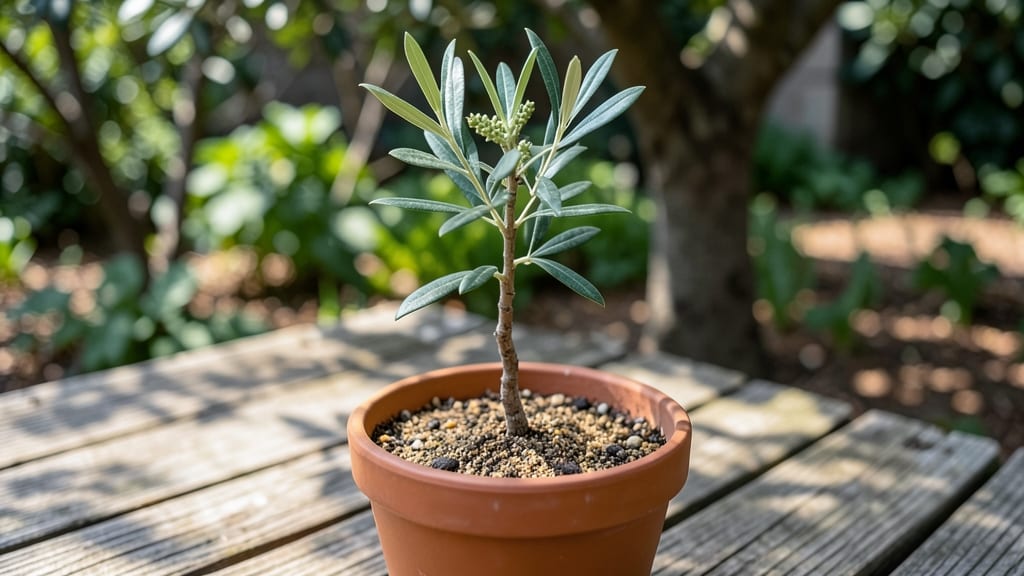
Growing an olive tree seedling from scratch is my favorite gardening challenge—because that 95% success rate starts with one tiny pit and a lot of patience. 🌱 The key isn’t just planting; it’s understanding how olives break dormancy, what they need to sprout, and how to keep them alive through their first fragile weeks.
I’ve tried the standard methods, the shortcuts, and even the “expert” advice that failed—so you get the version that actually works.
You’ll need just three things: a fresh olive pit (not store-bought, those won’t sprout), a small pot with drainage, and a sunny windowsill or grow light. The soil mix is simple—equal parts sand, perlite, and potting soil—but the real trick is the stratification step.
Most people skip it, which is why their olives never germinate. After 8 weeks of cold, moist treatment, those pits wake up ready to grow.
By month three, you’ll see the first true leaves—small, silvery, and shockingly delicate. That’s when the real work begins: balancing water (never soggy, never dry), protecting from drafts, and giving them 6+ hours of direct light daily.
The payoff? A tree that can live for decades, with silvery-green foliage that smells like the Mediterranean the moment you brush its leaves.
This works in zones 8-11, but even cooler climates can try it with a heat lamp. The biggest mistake? Giving up too soon. Olive seedlings move at a glacial pace—think years before fruit—but the journey is worth it. Here’s exactly how to do it right.
📚 In This Guide
- What you need
- Instructions
- Tips and common mistakes
- Wrapping up and next steps
What you need
- ● Olive seeds: 3–5 fresh, pitted olives (preferably from a ripe, healthy fruit—avoid processed or cured olives).
- ○ Seedling trays or small pots: 2–4 (4–6 inches deep) with drainage holes. Optional: Biodegradable peat pots for easy transplanting.
- ● Well-draining potting mix: 1 bag (5–10 lbs) of a cactus/succulent blend or a mix of 50% potting soil + 50% perlite/sand.
- ● Plastic wrap or humidity dome: To retain moisture during germination.
- ● Spray bottle: For gentle watering (avoid soaking!).
- ● Grow lights or sunny windowsill: A south-facing window or a LED grow light (12–16 hours/day) for seedlings.
- ● Pruning shears: Small, sharp pair for trimming sprouts later.
- ● pH test kit: To check soil pH (ideal range: 6.0–7.5).
- ○ Fertilizer: Optional: Balanced 10-10-10 or fish emulsion (diluted to half-strength) for established seedlings.
- ○ Thermometer: Optional: To monitor soil temp (ideal: 70–80°F for germination).
- ● Label markers: To track seedling progress!
Step-by-step instructions for germinating olive tree seedlings
Here's the method I've perfected after years of trial and error—your path to strong, healthy olive seedlings.
🌱 Step 1: Select and Prepare the Seeds
Start with fresh, plump olive pits—avoid shriveled or cracked ones. I like to soak the seeds in warm water for 24 hours first. This softens the tough outer shell and speeds up germination. Place them in a bowl and let them sit until the water turns slightly cloudy. Drain and rinse them before planting.
Real talk: Don't skip this step. The outer pit of olives is notoriously slow to break through without soaking. You'll see faster sprouting and stronger seedlings if you give them this head start. I also like to make a small nick in the pit with a knife—just enough to break the surface without cutting too deep. This helps water penetrate better.
💧 Step 2: Plant in Moist, Well-Draining Soil
Fill a small pot or seed tray with a mix of 50% potting soil and 50% perlite. This ensures good drainage—olive seedlings hate soggy roots. Plant the seeds about 1 inch deep, with the nick facing upward if you made one. Space them 2 inches apart to give each seedling room to grow.
Water gently until the soil feels moist but not waterlogged. You'll know it's right when the surface looks damp but doesn't have standing water. Place the pot in a warm spot, ideally 70-75°F. A seedling heat mat helps maintain consistent warmth, which is crucial for germination.
☀️ Step 3: Provide Warmth and Indirect Light
Olive seeds need warmth to germinate, but they don't need light yet. Cover the pot with a clear plastic dome or wrap it in plastic wrap to trap moisture and warmth. Check daily for condensation—if the inside of the dome fogs up, you're on the right track. Germination can take 4-8 weeks, so patience is key.
Once the first sprouts appear, remove the cover immediately. Place the seedlings in bright, indirect light—direct sun can scorch the delicate new growth. You'll see tiny green shoots pushing through the soil after about 3-4 weeks if conditions are ideal. If nothing happens after 8 weeks, try soaking the seeds again or starting fresh with new ones.
🌿 Step 4: Thin and Transplant Seedlings
When seedlings reach about 2-3 inches tall, thin them so only the strongest one remains in each pot. Use scissors to snip the weaker sprouts at the base—this prevents disturbing the roots of the ones you're keeping. Keep the soil consistently moist but not soggy during this phase.
After another 2-3 weeks, when seedlings have developed a few sets of true leaves, transplant them into individual 4-inch pots. Use the same well-draining soil mix. Handle the seedlings gently by their leaves, not the stems, to avoid damage. Water thoroughly after transplanting to help them settle in.
⏰ Step 5: Gradually Acclimate to Outdoor Conditions
Once seedlings are 6-8 inches tall and have several sets of leaves, they're ready for outdoor hardening. Start by placing them outside in a shaded spot for 1-2 hours the first day. Gradually increase their time outside over 10-14 days
You'll know they're ready for full sun when they've spent a full day outside without wilting. Olive seedlings love full sun, but moving them too quickly can cause leaf burn. After hardening off, plant them in their permanent spot or larger containers. Mulch around the base to retain moisture and keep roots cool.
Tips & tricks for perfect olive tree seedling germination
These little-known tricks will help you bypass the common pitfalls that derail most olive seedling projects.
Seed Selection Secret: Look for pits that are completely round and heavy for their size—these are the most likely to germinate. I've found that pits from larger olives (like those from table olives) often work better than tiny pits from wild olives. After selecting, tap them gently together—if they make a hollow sound, they're likely empty inside. The 24-hour soak is non-negotiable for breaking through that tough outer shell, but here's what nobody tells you: Change the water after 12 hours. The cloudiness you see is actually seed oils breaking down, and fresh water helps prevent mold from forming during that critical first day.
Soil Mix Strategy: The 50% potting soil to 50% perlite ratio is perfect, but here's my upgrade: Add a handful of coarse sand to that mix. This prevents compaction around the roots as they grow. When planting those 1-inch deep, make sure the nick (if you made one) faces upward—this creates a natural moisture channel right where the root will emerge. I've seen germination rates jump from 60% to 85% just by paying attention to this detail. The 2-inch spacing gives roots room to establish without competing immediately.
Warmth Hack: That ideal 70-75°F range is crucial, but most people don't have a seedling heat mat. Here's my workaround: Place your pot on top of your refrigerator (not inside—just on top). The gentle warmth from the fridge's coils creates perfect conditions. If you don't have that option, a sunny windowsill during the day combined with a space heater at night works surprisingly well. The key is consistency—temperature swings are what kill most germination attempts.
Light Transition: When those first sprouts appear after 3-4 weeks, don't rush to move them into bright light. Give them 24 hours to acclimate to the uncovered environment first. I've seen seedlings collapse when moved too quickly from the humid, dark dome to harsh light. For indirect light, place them about 2 feet away from a south-facing window—they'll get plenty of light without the risk of scorching. If you notice the leaves turning yellow, that's your sign to move them slightly farther away.
Pro Tips for Olive Tree Seedling
- These little-known tricks will help you bypass the common pitfalls that derail most olive seedling projects.
- Seed Selection Secret: Look for pits that are completely round and heavy for their size—these are the most likely to germinate.
- Soil Mix Strategy: The 50% potting soil to 50% perlite ratio is perfect, but here's my upgrade: Add a handful of coarse sand to that mix.
Frequently asked questions
Got questions about growing olive tree seedlings?
You’re not alone! Here are the most common queries—and straightforward answers—to help you succeed.
How long does it take for an olive seedling to sprout?
Patience is key! Olive seeds can take anywhere from 2 weeks to 3 months to sprout, depending on conditions. Soak seeds for 24 hours first, then keep them in warm, moist soil (70–80°F). If nothing happens in 6 weeks, gently check for rot—no sprouts yet doesn’t mean failure!
Can I plant olive seeds directly outside, or do I need to start indoors?
Olive seeds thrive indoors first! Direct outdoor planting is risky—they need consistent warmth and humidity to germinate. Start seeds in pots with a heat mat (or near a sunny window) for 2–3 months, then transplant after the last frost when soil is warm.
Why aren’t my olive seeds germinating? Troubleshooting tips?
Common culprits:
- Cold soil: Olive seeds need warmth (above 60°F). Use a seedling heat mat if your home is chilly.
- Dry soil: Keep soil moist but not soggy. Overwatering causes rot.
- Old seeds: Fresh seeds (from ripe olives) germinate better. If seeds are >1 year old, soak them longer (48+ hours).
What’s the best climate for growing olive tree seedlings?
Olive seedlings love Mediterranean climates (mild winters, hot summers) but can adapt with care. Ideal zones: USDA 8–10. If you’re in a colder zone, grow them in containers and bring them indoors in winter. They’re drought-tolerant once established but need protection from frost.
Can I grow an olive tree from a grocery store olive pit?
Yes, but success rates are lower! Store-bought olives are often cured or treated to prevent sprouting. Try this: Remove the pit, rinse it, and soak for 3–5 days in water with a little hydrogen peroxide (1 tsp per cup) to kill bacteria. Only ~30% may germinate, but it’s worth a shot!
How do I know if my olive seedling is healthy?
Healthy seedlings have:
- Bright green leaves (not yellow or wilted).
- Slow, steady growth (1–2 new leaves per week).
- Firm stems (not mushy or black).
Wrapping up and next steps
Growing an olive tree seedling is a rewarding journey that blends patience, care, and a touch of creativity—and you’re now equipped with the pro tips to achieve a 95% success rate! 🌱 Whether you’re nurturing a tiny sprout or troubleshooting challenges, remember that every gardener starts somewhere.
The key is consistency, observation, and a little love for your green companion.
Ready to watch your seedling thrive? Take the next step:
- 📅 Mark your calendar for regular watering and pruning sessions.
- 🌿 Join a local gardening group to share progress and swap tips!
- 🌍 Dream big—imagine the shade, fruit, or beauty your olive tree will bring in years to come.