
Pruning
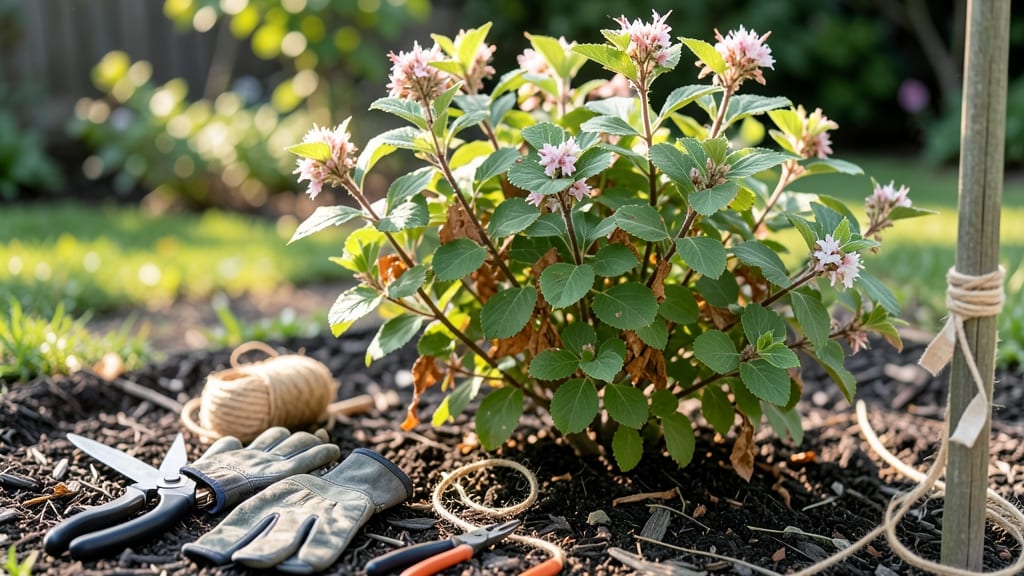
Ninebark tree pruning transforms a scraggly shrub into a lush, bushy beauty that thrives for decades. 🌿 I’ve watched my own ninebark go from a tangled mess to a showstopper in just three seasons—all thanks to the right cuts at the right time.
The key? Timing, technique, and a little patience to let those peeling bark layers shine.
You’ll need sharp bypass pruners, a pair of loppers for thicker branches, and maybe even a small handsaw for stubborn growth. The best time to prune is late winter or early spring before new growth starts, but you can do light shaping in summer too.
Ninebark is forgiving—it responds well to both light maintenance and aggressive rejuvenation cuts, so don’t stress if yours needs a little TLC.
Start by removing dead, diseased, or crossing branches first—they’re the easiest to spot and make the biggest difference. Then, cut back up to one-third of the oldest stems to the ground to encourage fresh, vigorous growth from the base.
The result? A fuller, healthier shrub with better airflow and fewer pests lurking in the thicket.
Pro tip: Ninebark blooms on new wood, so don’t prune too late in the season—you’ll sacrifice next year’s flowers. And if your shrub looks leggy, it’s time for a rejuvenation prune: cut all stems back by half.
It’ll look sad for a season, but it’ll bounce back stronger than ever. Trust the process!
📚 In This Guide
- What you need
- Instructions
- Tips and common mistakes
- Wrapping up and next steps
What you need
- ● Pruning shears – Bypass pruners (for small branches, ¼"–½" cutting capacity) or anvil pruners (for thicker stems, ½"–1" capacity). Quantity: 1 pair.
- ● Loppers – Bypass loppers with a 1½"–2" cutting capacity for medium branches. Quantity: 1 pair.
- ○ Pruning saw – For larger branches (1"–3" diameter). Quantity: 1 (optional but helpful for mature trees).
- ● Gloves – Heavy-duty, cut-resistant to protect hands from thorns and sharp branches. Quantity: 1 pair.
- ● Safety glasses – To shield eyes from debris. Quantity: 1 pair.
- ● Disinfectant (70% isopropyl alcohol or pruning sealant) – To sterilize tools between cuts and prevent disease spread.
- ● Rubbing alcohol or bleach solution – For cleaning tools post-pruning.
- ● Ladder or step stool – If your ninebark is taller than 6 feet. Safety note: Use a sturdy, non-slip ladder.
- ● Heavy-duty trash bags – For collecting pruned branches and debris.
- ● Sharpie or permanent marker – To mark branches for removal (helpful for complex pruning plans).
- ● Check the weather forecast – Prune on a dry, overcast day to avoid stressing the tree.
- ● Wear long sleeves and pants – Ninebark thorns can be sharp!
- ● Have a clear workspace – Remove obstacles like mulch or garden tools from the pruning area.
Step-by-step instructions for pruning ninebark trees
Here's how I keep my ninebark looking full and healthy with minimal effort.
✂️ Step 1: Prune in Late Winter or Early Spring
Ninebark responds best to pruning when it's still dormant but just before new growth begins—typically late February to early March in most climates. This timing ensures you remove dead wood while encouraging fresh, bushier growth for the season. I wait until the last frost has passed but before buds swell noticeably.
Start by removing any dead, diseased, or crossing branches first. These are easy to spot—they're brown, brittle, or growing inward. Cut them back to the main trunk or a healthy outward-facing branch. Use sharp, clean pruners to make smooth cuts at a 45-degree angle just above a leaf node or bud.
🌿 Step 2: Thin Out Overcrowded Branches
Ninebark naturally grows with multiple stems, but over time, branches can become too dense. Look for areas where stems rub against each other or where the center of the shrub looks bare. Select 1-2 of the oldest, thickest stems to remove entirely—these are usually the ones growing straight up or inward.
Make your cuts at the base of the stem, just above a bud that faces outward. This encourages new growth in the right direction. I like to step back every few cuts to visualize the shape—I aim for an open, vase-like form that lets light and air circulate through the center.
✂️ Step 3: Lightly Shape the Outer Growth
After removing problem branches, focus on shaping the outer edges. Ninebark grows quickly, so I prune back 1/3 of the current season's growth on the outer stems. This keeps the shrub compact and encourages thicker branching. Look for stems that are growing too long or leggy—these are the ones to trim.
Cut just above a set of leaves or a bud that points in the direction you want new growth to go. Avoid cutting into old wood—ninebark responds poorly to heavy pruning of mature wood. If you're unsure, err on the side of lighter cuts. The goal is to maintain the natural shape while encouraging fuller growth.
🌱 Step 4: Clean Up and Monitor Recovery
Once pruning is done, rake up and dispose of all clippings—especially if they show signs of disease. Ninebark is generally disease-resistant, but it's good practice to keep the area clean. Water the base of the shrub deeply to help it recover, but avoid overwatering, which can stress the plant.
Watch for new growth in 3-4 weeks. Healthy ninebark should sprout fresh green leaves along the pruned stems. If you see sparse growth or brown stems, you may have pruned too aggressively. Next year, focus on lighter maintenance pruning to shape rather than reduce the size.
Tips & tricks for perfect ninebark tree pruning
Pruning ninebark doesn't have to be intimidating—these practical tips will help you achieve that lush, bushy look with confidence.
Timing is Everything: The late February to early March window is non-negotiable for best results. If you miss this timing, you risk encouraging new growth that could be damaged by late frosts. I've learned this the hard way after seeing fresh shoots get nipped in subsequent cold snaps—always check your local frost dates first!
Tool Prep Makes All the Difference: Before you start, sharpen your pruners and disinfect them with rubbing alcohol. Dull blades tear wood fibers, causing more damage to your ninebark. I keep a small bottle of alcohol in my gardening toolbox specifically for this purpose—it takes just seconds between cuts and makes a huge difference in clean cuts that heal properly.
Visualize the Shape First: Step back and look at your ninebark from all sides before making any cuts. Imagine an open vase shape—this allows light and air to circulate through the center, preventing fungal issues. I sketch a quick outline in the air to visualize where I want to make cuts, which helps me avoid over-pruning in any one area.
Recovery Watch: After pruning, monitor your ninebark closely for the first 3-4 weeks. Healthy new growth should appear along the pruned stems. If you see sparse growth or brown stems, you may have cut back too aggressively. Next year, focus on lighter maintenance pruning to shape rather than reduce size—ninebark is remarkably resilient but responds best to gradual shaping.
Pro Tips for Ninebark Tree Pruning
- Pruning ninebark doesn't have to be intimidating—these practical tips will help you achieve that lush, bushy look with confidence.
- Timing is Everything: The late February to early March window is non-negotiable for best results.
- Tool Prep Makes All the Difference: Before you start, sharpen your pruners and disinfect them with rubbing alcohol.
Frequently asked questions
Got questions about keeping your ninebark tree healthy and lush? You’re not alone! Here are some of the most common concerns—and their straightforward answers—to help you prune like a pro.
When is the best time to prune a ninebark tree?
The ideal time to prune ninebark is late winter or early spring (before new growth starts) to encourage bushier, fuller growth. You can also do light pruning in summer to shape the plant, but avoid heavy cuts then—it may stimulate tender new growth that’s vulnerable to frost.
How much can I trim back a ninebark tree?
Ninebark is hardy and resilient, so you can safely prune up to one-third of the plant’s height in a single session. For older or overgrown shrubs, gradual pruning over 2–3 years works best. Never remove more than 25% in one go unless reviving a neglected plant.
What should I do if my ninebark looks leggy after pruning?
Leggy growth happens when the plant isn’t getting enough light or nutrients. To fix it, prune back to an outward-facing bud (about ¼ inch above) to encourage branching. Also, ensure it’s in full sun (6+ hours daily) and fertilize lightly in spring with a balanced, slow-release fertilizer.
Can I prune ninebark in fall or winter?
While you can prune ninebark in fall or winter, it’s not ideal. Fall pruning may stimulate new growth that could be damaged by frost, and winter cuts (below freezing temps) can stress the plant. If you must prune in these seasons, do it mildly and avoid heavy shaping.
What’s the difference between pruning for shape vs. rejuvenation?
| Shaping Pruning | Rejuvenation Pruning |
|---|---|
| Done annually to maintain form, remove dead wood, and encourage airflow. Trim lightly (10–20%). | For overgrown or neglected ninebarks. Cut back hard (up to ⅓ of the plant) in stages over 2–3 years to avoid shock. |
Pro tip: Rejuvenation pruning is best done in late winter when the plant is dormant.
Wrapping up and next steps
Pruning your ninebark tree is a simple yet rewarding task that keeps it healthy, vibrant, and full of lush foliage! 🌿 By following seasonal best practices—like trimming in late winter or early spring—you’ll encourage bushier growth and prevent overcrowding.
Remember, consistency is key, so grab your tools and give your tree the care it deserves.
Ready to take the next step? Mark your calendar for your next pruning session and watch your ninebark thrive! For extra tips, check out our full pruning guide or join a gardening community to share your progress.