
Trees
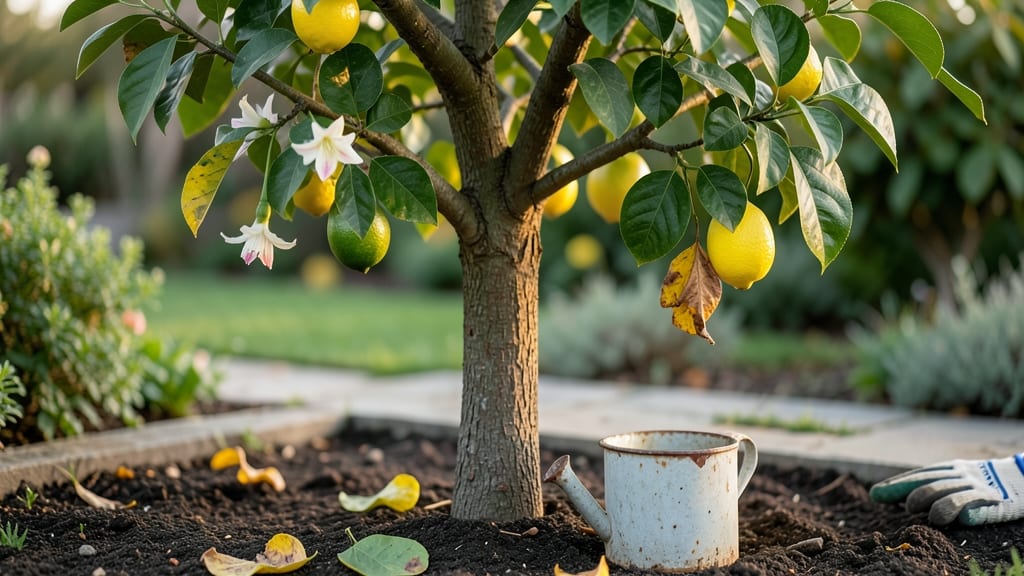
Your lemon tree shedding leaves isn't a death sentence—it's a call for action. 🌿 I've nursed back more citrus trees than I can count, and the key is always in the details: watering, light, and hidden stressors you might be missing.
The most common culprits are overwatering (which suffocates roots) or underwatering (which stresses the whole plant). Then there are pests like spider mites hiding on the undersides of leaves, or nutrient deficiencies showing up as yellowing between veins. Don't panic—each problem has a specific fix.
By the end of this, you'll spot the exact issue (damp soil? tiny webs? pale leaves?) and know exactly how to adjust care. Most trees bounce back within weeks once you address the root cause—literally and figuratively. Works for both potted lemon trees and in-ground citrus.
Let's get that foliage back to its glossy best.
Underlying Causes Of Leaf Drop
Lemon trees are resilient, but when they start shedding leaves, it’s usually a sign of stress or an imbalance in their care. Understanding the root causes—whether environmental, biological, or cultural—helps you take precise action.
Below, we break down the most common reasons your lemon tree might be losing its foliage, complete with scientific insights and actionable fixes.
Lemon trees (Citrus × limon) thrive in USDA Hardiness Zones 9–11, where temperatures stay between 60–85°F (15–29°C). Sudden drops below 50°F (10°C) or spikes above 95°F (35°C) trigger abscission—the natural process where leaves detach to conserve energy.
Cold snaps or heatwaves disrupt cellular metabolism, causing chlorophyll breakdown and leaf yellowing before drop.
Key triggers:
- Frost damage: Even light frost (below 32°F/0°C) can kill leaf tissue, turning leaves black or brown before they fall.
- Heat stress: High temps + low humidity = stomatal closure, reducing photosynthesis and forcing the tree to shed old leaves prematurely.
- Windburn: Chilly, windy conditions dry out leaves faster, mimicking drought stress.
💡 Pro Tip:
- Mulch heavily (3–4 inches of organic mulch) to insulate roots in winter.
- Use frost cloth (not plastic) if temps dip below 40°F (4°C)—remove it by mid-morning to avoid overheating.
- Avoid overhead watering before cold snaps; wet leaves freeze faster.
Lemon trees despise soggy roots and drought stress equally. Both conditions send stress signals that trigger ethylene production, a plant hormone linked to leaf abscission.
Overwatering risks:
- Root rot (Phytophthora or Fusarium fungi) cuts off oxygen to roots, starving the tree. Yellowing leaves + mushy stems = classic overwatering.
- Salt buildup: Tap water minerals accumulate in soil, creating a saline layer that blocks nutrient uptake.
Underwatering risks:
- Wilting (leaves curl, then drop) as the tree prioritizes root survival over foliage.
- Soil shrinkage: Clay soils compact, reducing water retention, while sandy soils drain too quickly.
📊 Quick Test: Stick your finger 2 inches into soil—if it’s dry, water deeply. If it’s soggy, hold off for 3–5 days.
Lemon trees are sun-worshippers but can’t handle intense afternoon heat or shade deprivation. Poor light exposure disrupts photosynthesis, leading to weak leaves that fall prematurely.
Light-related causes:
- Too much sun: Leaves scorch (brown, crispy edges) in full afternoon sun without acclimation.
- Insufficient light: Leggy growth + yellowing leaves (chlorosis) signal weak photosynthesis. Indoor trees near windows often suffer.
- Sudden shade shifts: Moving a potted tree from bright sun to deep shade (or vice versa) confuses the tree, causing transitional stress.
🌿 Fix It:
- Outdoor trees: Provide morning sun + afternoon shade (use a 30% shade cloth if needed).
- Indoor trees: Place near south-facing windows (6+ hours of light) or supplement with grow lights (12–14 hours/day).
Pests and pathogens drain nutrients and block stomata, forcing the tree to shed leaves as a survival tactic.
Common culprits:
| Pest/Disease | Signs | Impact |
|---|---|---|
| Spider Mites | Fine webbing, stippled leaves | Suck sap → leaves yellow/brown |
| Scale Insects | Sticky residue (honeydew), black soot | Clog stomata → suffocation |
| Root-Knot Nematodes | Stunted growth, wilting | Feed on roots → nutrient loss |
| Citrus Canker | Oozing sores, cracked bark | Bacterial infection → leaf drop |
| Fungal Leaf Spot | Dark spots with yellow halos | Blocks light absorption |
🔥 Emergency Action:
- Spray with neem oil (1 tsp/gallon water) for pests.
- Prune infected branches (sterilize tools with 70% rubbing alcohol).
- Improve airflow (thin dense foliage) to prevent fungal spread.
Moving a lemon tree—even to a slightly larger pot—can cause root trauma, halting water and nutrient uptake. The tree responds by shedding non-essential leaves to redirect energy to root recovery.
Red flags:
- Wilting despite watering (roots can’t absorb moisture).
- Leaves turning yellow (nutrient transport stops).
- Slow growth post-transplant.
👨🍳 Step-by-Step Fix:
- Water deeply before repotting to reduce root damage.
- Use well-draining soil (50% potting mix + 50% perlite/sand).
- Prune 1/3 of foliage to reduce stress on the root system.
- Avoid fertilizing for 4–6 weeks post-transplant.
Lemon trees need balanced nutrients for leaf retention. Deficiencies in nitrogen, magnesium, or iron cause chlorosis (yellowing) and eventual leaf drop.
Deficiency symptoms:
- Nitrogen (N): Overall yellowing (old leaves first).
- Magnesium (Mg): Interveinal yellowing (between veins).
- Iron (Fe): Pale new growth (young leaves).
- Potassium (K): Brown leaf edges (scorching).
🎯 Solution:
- Test soil (use a DIY kit or lab test) to identify deficiencies.
- Amend soil with:
- Epsom salt (1 tbsp/gallon water) for magnesium.
- Iron chelate for iron deficiency.
- Balanced citrus fertilizer (6-6-6 or 8-3-9) in spring/summer.
Mechanical stress (like hail, strong winds, or even lawnmower kicks) tears leaves, while air pollution (ozone, sulfur dioxide) causes stomatal damage, reducing gas exchange.
Signs:
- Ragged leaf edges (wind/hail).
- Blackened tips (ozone exposure).
- Premature leaf drop after storms.
🌿 Prevention:
- Stake young trees in windy areas.
- Avoid planting near roads (exhaust fumes harm leaves).
- Mulch to protect roots from lawn equipment.
Revive Your Lemon Tree Now
A lemon tree dropping leaves can feel like a gut punch—especially when you’ve poured love into nurturing it. But don’t panic! With targeted fixes, you can coax your citrus queen back to health and restore her lush, leafy glory.
Below, we’ve mapped out practical, step-by-step solutions for the most common causes, plus prevention tips to keep your tree thriving long-term. Let’s get to work!
Signs: Yellowing leaves, soggy soil, roots sitting in water, or leaves wilting despite damp soil.
How to Fix It: 🔥 🚰 Step 1: Check the Soil Moisture
Stick your finger 2–3 inches into the soil. If it’s damp or sticky, your tree is overwatered.
If it’s bone-dry, you’ve been underwatering (but that’s less common with shedding leaves). - Pro Tip: Use a moisture meter for accuracy—no guesswork!
🍳 👨🍳 Step 2: Adjust Your Watering Routine - Let the top 1–2 inches of soil dry out between waterings.
Lemon trees prefer moderate moisture but hate soggy roots. - Water deeply (about 1–2 gallons per watering) to encourage strong root growth, then let excess drain away completely. - Avoid: Frequent light waterings—this keeps roots shallow and prone to rot.
🥘 🌡️ Step 3: Improve Drainage
- If your pot lacks drainage holes, repot your tree into a container with 6+ drainage holes (or add a layer of gravel at the bottom as a last resort).
- For in-ground trees, consider raising the soil level slightly or amending the soil with perlite or coarse sand to improve airflow.
✨ 💡 Prevention Tip:
- Water in the morning so excess moisture evaporates during the day.
- Use a well-draining potting mix (like a citrus-specific blend or a mix of peat moss, perlite, and compost).
Signs: Crispy, brown edges on leaves, dry soil pulling away from the pot, or leaves curling inward.
How to Fix It: 🔥 💧 Step 1: Hydrate Immediately
Give your tree a deep soak—water until it drains freely from the bottom.
Repeat every 2–3 days until the soil is consistently moist (not soggy). - For severe stress: Place the pot in a tray of water for 10–15 minutes to encourage root uptake.
🍳 🌿 Step 2: Shield from Harsh Sun
- If your tree is in direct afternoon sun, move it to a spot with morning sun + afternoon shade (especially in summer).
- Use a light shade cloth (30–50%) if you can’t relocate it.
🥘 🌡️ Step 3: Boost Humidity - Lemon trees love 60–70% humidity.
If your air is dry (common indoors or in winter), try: - Misting leaves daily (early morning or evening). - Placing a pebble tray with water under the pot. - Grouping plants together to create a microclimate.
✨ 💡 Prevention Tip:
- Mulch the soil (with straw or bark) to retain moisture.
- Avoid plastic pots—they trap heat and dry out soil faster. Opt for terracotta or fabric pots instead.
Signs: Yellowing between leaf veins (chlorosis), slow growth, or leaves dropping prematurely despite healthy roots.
How to Fix It:
🔥 📊 Step 1: Test Your Soil
- Grab a DIY soil test kit (or send a sample to a local extension office) to check pH (6.0–7.0 ideal) and nutrient levels.
- Quick fix: If pH is too high (alkaline), add sulfur or peat moss to lower it.
🍳 👨🍳 Step 2: Fertilize Right
- Flush the soil with water to remove excess salts from over-fertilizing.
- Switch to a balanced citrus fertilizer (6-6-6 or 8-3-9) and apply every 4–6 weeks in growing season (spring–fall).
- Avoid: High-nitrogen fertilizers—they cause leafy growth at the expense of fruit.
🥘 🌱 Step 3: Feed the Roots
- Compost tea or fish emulsion (diluted) can give a gentle nutrient boost without burning roots.
- For micronutrient deficiencies, use a chelated iron or magnesium supplement (common in chlorotic leaves).
✨ 💡 Prevention Tip:
- Fertilize lightly in winter—trees rest then!
- Use slow-release granules to avoid spikes in nutrients.
Signs: Sticky residue (aphids), holes in leaves (mites), black spots (fungus), or wilting despite proper care.
How to Fix It: 🔥 🐜 Step 1: Identify the Culprit
Inspect leaves under a magnifying glass.
Common pests: - Aphids (tiny green/black bugs, sticky honeydew). - Spider mites (fine webbing, speckled leaves). - Scale insects (brown bumps on stems). - Diseases like root rot (mushy stems) or citrus canker (ulcer-like spots).
🍳 🔪 Step 2: Treat Naturally First
- Pests:
- Neem oil spray (mix 1 tbsp neem oil + 1 tsp mild soap + 1 quart water; spray every 5–7 days).
- Blast off aphids with a strong stream of water.
- Introduce beneficial insects (ladybugs for aphids, predatory mites for spider mites).
- Diseases:
- Prune infected branches with sterilized shears (dip in rubbing alcohol).
- Improve airflow by thinning dense foliage.
🥘 🏥 Step 3: Quarantine & Prevent Recurrence
- Isolate the tree until pests/disease are gone.
- Clean tools between cuts to prevent spread.
- Rotate pesticide types if pests persist (but prioritize organic solutions first).
✨ 💡 Prevention Tip:
- Inspect new plants before bringing them home.
- Avoid overhead watering—water at the base to keep leaves dry.
Signs: Leaves yellowing and dropping 1–2 weeks after repotting or moving, despite no other issues.
How to Fix It:
🔥 🌱 Step 1: Give It Time & Space
- Don’t fertilize for 4–6 weeks after repotting—roots need time to establish.
- Keep it in a stable spot (no drafts, temperature swings, or direct sun).
🍳 👨🍳 Step 2: Check the Roots
- Gently remove the tree from its pot and inspect roots:
- Healthy roots = white/firm.
- Rotten roots = mushy, black, or smelly.
- Trim damaged roots with sterilized scissors and repot in fresh soil.
🥘 🌡️ Step 3: Optimize the New Home
- Use a slightly larger pot (only 1–2 inches wider) to avoid overwhelming the root system.
- Water lightly for the first week, then resume normal care.
✨ 💡 Prevention Tip:
- Repot in spring (dormant season) for best recovery.
- Use the same soil type if possible—sudden changes
Frequently asked questions
Is it normal for a lemon tree to lose leaves in winter?
Yes, lemon trees naturally shed some leaves during winter dormancy, especially in colder climates. However, excessive leaf drop (more than 10-15%) or yellowing between veins signals stress. Focus on protecting roots with 3-4 inches of mulch and avoiding frost exposure below 40°F (4°C).
How can I tell if my lemon tree is overwatered vs. underwatered?
Check soil moisture by sticking your finger 2 inches deep. Overwatered trees have soggy soil, yellow leaves with brown edges, and mushy stems. Underwatered trees show dry soil, crispy leaf edges, and wilting. For both, adjust watering to let the top 1-2 inches dry out between waterings.
Can I save a lemon tree that's completely bare?
Yes, but act fast! First, check roots for rot. If roots are healthy, prune back 1/3 of branches to reduce stress, then adjust watering and light. For severe cases, consider a citrus-specific fertilizer (6-6-6) and move to bright indirect light. New growth should appear within 4-6 weeks.
Why are my lemon tree's new leaves yellow?
Yellow new leaves usually indicate nutrient deficiencies, often iron or magnesium. Test soil pH (ideal: 6.0-7.0) and amend with Epsom salt (1 tbsp/gallon) for magnesium or chelated iron if needed. Avoid fertilizing until you correct pH—alkaline soil blocks nutrient uptake.
How do I prevent leaf drop when moving a potted lemon tree?
Water deeply 24 hours before moving and prune 1/3 of foliage to reduce stress. Use a pot only 1-2 inches larger than current, and avoid fertilizing for 4-6 weeks post-move. Place in stable conditions with morning sun + afternoon shade for the first week.