
Pruning
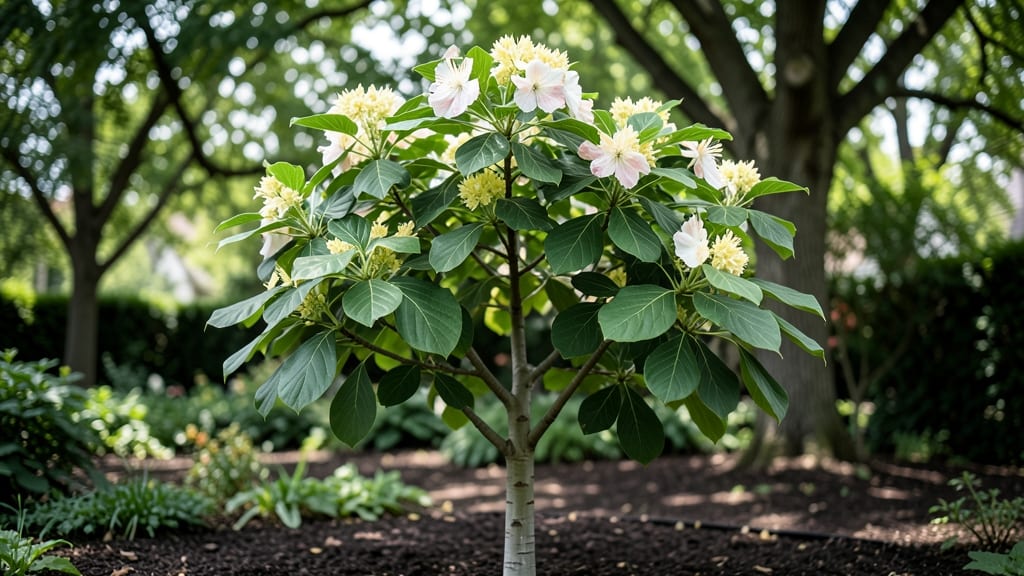
Those pink bracts on the kousa dogwood tree flower are the showstoppers of late spring—like nature’s own confetti—but pruning them wrong can turn your tree into a leggy stick. ✨ I’ve watched mine go from sparse blooms to a canopy of season-long color by following three simple cuts that keep the structure strong while encouraging more flowers.
The key is timing: prune right after blooming (late June) when the flowers fade but before new growth hardens. You’re not just shaping the tree—you’re training it to focus energy on next year’s blooms.
Overgrown branches get thinned to improve airflow, and weak stems at the base get removed to prevent disease.
By winter, your tree will look like a well-behaved sculpture, with sturdy branches ready to burst into pink again. The blooms stay vibrant longer, and the foliage turns a rich burgundy that lasts until frost.
Works in zones 5-8, whether planted as a specimen tree or in mixed borders. Let’s make those bracts pop!
📚 In This Guide
- What you need
- Instructions
- Tips and common mistakes
- Wrapping up and next steps
What you need
- ● Pruning shears: Bypass pruners (sharp, clean, and disinfected with rubbing alcohol or bleach solution). Size: 6"–8" for small branches.
- ● Loppers: For thicker branches (up to 2" diameter). Look for: Long handles (24"–30") for leverage.
- ○ Pruning saw: Optional but helpful for branches >2" thick. Type: Curved-tooth saw for clean cuts.
- ● Gloves: Heavy-duty, cut-resistant gloves (e.g., Mechanix or garden gloves with reinforced palms).
- ● Disinfectant: 1 part bleach to 9 parts water (or 70% isopropyl alcohol) to sterilize tools between cuts.
- ● Pruning sealant: (e.g., Tanglefoot Tree Wound Pruning Seal) for large cuts >½" in diameter. Note: Only use if the tree is healthy—otherwise, skip it!
- ● Safety gear: Safety glasses (to shield from debris).
- ● Long sleeves/pants (protection from thorns or sawdust).
- ● Timing: Prune after flowering (late May–early June) or in late winter/early spring (before buds swell). Avoid pruning during active bloom.
- ● Weather: Choose a dry, overcast day (humidity slows wound healing).
- ● Tree health check: Inspect for diseased or dead branches (brown, mushy, or hollow wood). Remove these first.
- ● Sunlight access: Ensure you have 6+ hours of sunlight to work comfortably.
- ● Ladder: Extendable or sturdy step ladder (for taller trees). Safety tip: Use stabilizers and never stand on the top rung!
- ● Marking twine: Colored twine to flag branches for removal (helps visualize the shape).
- ● Tree pruning guide: A reference photo of your tree’s ideal shape (e.g., open-center form for Kousa Dogwood).
- ● Compost bag: For collecting pruned debris (or leave small clippings as mulch).
Step-by-step guide to pruning Kousa dogwood for season-long blooms
This is the method I use every year to keep my Kousa dogwood flowering beautifully from spring to fall.
✂️ Step 1: Time Your Pruning for Spring Growth
Prune your Kousa dogwood right after flowering but before new growth begins—typically in late May or early June. The key is to avoid cutting when buds are still forming, as this can reduce next year's blooms. I always wait until I see the last petals fall completely before touching the shears.
This timing ensures you're removing spent flowers while leaving next year's blooms intact. If you prune too early, you risk cutting off next season's flower buds. If you wait too long, you may encourage excessive new growth that won't have time to harden off before winter.
✂️ Step 2: Remove Dead, Diseased, or Crossing Branches First
Start by inspecting the tree and removing any dead, diseased, or damaged branches—these are easy to spot as they're brown, brittle, or lack leaves. Next, look for branches that cross or rub against each other, as these will eventually create wounds where pests or disease can enter. I use sharp, clean pruners to make clean cuts at a 45-degree angle just outside the branch collar.
Never leave stubs—this invites decay. For branches thicker than ½ inch, I make the cut in three steps: first undercut, then top-cut, and finally remove the branch. This prevents bark from tearing. If you see any signs of fungal disease (like powdery spots or oozing sap), sterilize your tools with rubbing alcohol between cuts.
✂️ Step 3: Thin Out Overcrowded Branches for Better Airflow
Kousa dogwoods naturally grow with a layered, vase-like shape. To maintain this, I remove about 10-20% of the oldest, thickest branches that are growing inward or downward. Focus on branches that are thicker than a pencil—these are the ones that compete with younger growth for energy. I aim to create an open center that lets sunlight and air circulate freely.
You'll know you're doing it right when the tree starts looking more balanced and sunlight can reach the inner branches. Avoid cutting more than 25% of the tree's foliage in one year—this can stress the plant. If you're unsure which branches to remove, step back and look for the ones that disrupt the tree's natural shape.
✂️ Step 4: Shape the Tree for Optimal Flower Display
Now it's time to refine the tree's shape. Kousa dogwoods bloom on both old and new wood, so you can prune more aggressively than with spring-flowering trees. Lightly trim the outer edges to encourage fuller growth and more flowers. I use hand pruners for branches thinner than ½ inch and loppers for thicker ones, always cutting just above a bud or branch that grows outward.
For a more dramatic effect, you can also shorten some of the longer branches by about ⅓ of their length. This encourages bushier growth and more blooms. Avoid heavy pruning on young trees—focus on shaping rather than reducing size. If you're pruning a mature tree, spread cuts over 2-3 years to avoid shocking the plant.
🌿 Step 5: Clean Up and Monitor for New Growth
After pruning, remove all debris from the area to prevent disease. I also sterilize my tools again with rubbing alcohol to avoid spreading pathogens. Water the tree deeply to help it recover, especially if you've made significant cuts. Over the next few weeks, watch for new growth—this is a sign the tree is responding well.
If you notice any yellowing leaves, wilting, or dieback after pruning, it could mean you've stressed the tree too much. In that case, reduce watering slightly and avoid fertilizing until new growth appears. With proper care, your Kousa dogwood should reward you with even more stunning blooms next season.
Tips & tricks for pruning Kousa dogwood trees
Here's what I've learned after years of perfecting my pruning technique—these little details make all the difference for your tree's health and blooms.
Timing is Everything: The window between late May and early June is critical because Kousa dogwoods bloom on both old and new wood. I mark my calendar for when the last petals fall completely—typically 3-5 days after peak bloom. Waiting too long risks encouraging weak, late-season growth that won't harden off properly before winter. If you miss this window, you can prune lightly in late winter (February), but avoid heavy cuts that might remove next year's flower buds.
Tool Prep Matters: Sterilizing your pruners between cuts is non-negotiable, especially if you see any signs of fungal disease. I keep rubbing alcohol in a small spray bottle by my work area and wipe down tools after every 2-3 cuts. For branches thicker than ½ inch, the three-step cutting method (undercut, top-cut, then remove) prevents bark tearing that invites decay. I also sharpen my pruners annually—dull blades crush branches instead of making clean cuts.
Visual Pruning Cues: When thinning branches in Step 3, step back frequently to check your progress. You're aiming for sunlight to reach the inner branches—if you can't see light through the center, you haven't removed enough. For shaping in Step 4, I look for branches that grow inward or downward; these are the ones to remove. A good rule of thumb is to never cut more than ⅓ of any branch's length in one season, even for mature trees.
Recovery Signs to Watch For: After pruning, monitor for new growth within 2-3 weeks. Healthy new leaves should appear bright green and firm to the touch. If you see yellowing or wilting, reduce watering immediately—the tree is signaling stress. I always give my trees a deep watering after pruning, but I cut back on fertilizers until I see those first signs of recovery growth.
Pro Tips for Kousa Dogwood Tree Flower
- Here's what I've learned after years of perfecting my pruning technique—these little details make all the difference for your tree's health and blooms.
- Timing is Everything: The window between late May and early June is critical because Kousa dogwoods bloom on both old and new wood.
- Tool Prep Matters: Sterilizing your pruners between cuts is non-negotiable, especially if you see any signs of fungal disease.
Frequently asked questions
When is the best time to prune my kousa dogwood for flowers?
The ideal time to prune is late winter to early spring (before buds swell) or right after flowering (late spring/early summer). Avoid pruning in fall—new growth won’t harden off before winter. Pro tip: If you must prune later, wait until after 60% of flowers have fallen to preserve next year’s blooms.
Can I prune my kousa dogwood in summer?
Summer pruning is possible, but it’s not ideal. If you must, do it after flowering (June-July) to avoid stressing the tree. Limit cuts to 10-20% of the canopy and avoid heavy pruning—this can reduce next year’s flowers. Water deeply afterward to help recovery.
Why aren’t my kousa dogwood flowers as vibrant as they used to be?
Dull or sparse blooms often signal over-pruning, poor nutrition, or shade stress. Check for:
- Thinning canopy (prune to open the center for sunlight).
- Low phosphorus/potassium (apply a balanced fertilizer in early spring).
- Competing roots (mulch 2–3 inches deep, keeping it away from the trunk).
How much can I prune a kousa dogwood without harming it?
For healthy growth and blooms, stick to the 10–20% rule:
- Young trees (under 5 years): Light shaping only (remove dead/diseased branches).
- Mature trees (5+ years): Up to 20% of the canopy per year. Avoid "lion’s tailing" (cutting all small branches at once)—this can kill the tree!
- Overgrown trees: Spread pruning over 2–3 years to avoid shock.
Are there alternatives to kousa dogwood for easy pruning and flowers?
If kousa dogwood seems high-maintenance, try these low-prune, flower-heavy alternatives:
Tree
Bloom Time
Pruning Notes
Serviceberry (Amelanchier)
Early spring
Prune after fruiting (summer); tolerates light shaping.
Crabapple (Malus)
Spring (some rebloom)
Prune in late winter; remove suckers regularly.
Fringe tree (Chionanthus)
Late spring
Minimal pruning; trim only to shape or remove dead wood.
All three are drought-tolerant and pollinator-friendly—great for low-maintenance gardens!
Wrapping up and next steps
The Kousa dogwood tree is a true showstopper with its delicate, fragrant blooms and vibrant foliage—and with the right pruning techniques, you can keep it thriving for years to come! 🌸 Whether you’re a seasoned gardener or just starting, the key is patience, timing, and a little love.
Now that you’re armed with the best practices, why not take action this season?
Start by assessing your tree’s health, then grab those pruners and give it the care it deserves. Before you know it, you’ll be rewarded with season-long beauty that turns heads—and maybe even inspires your neighbors to ask for tips! Happy pruning! ✂️🌿