
Pruning
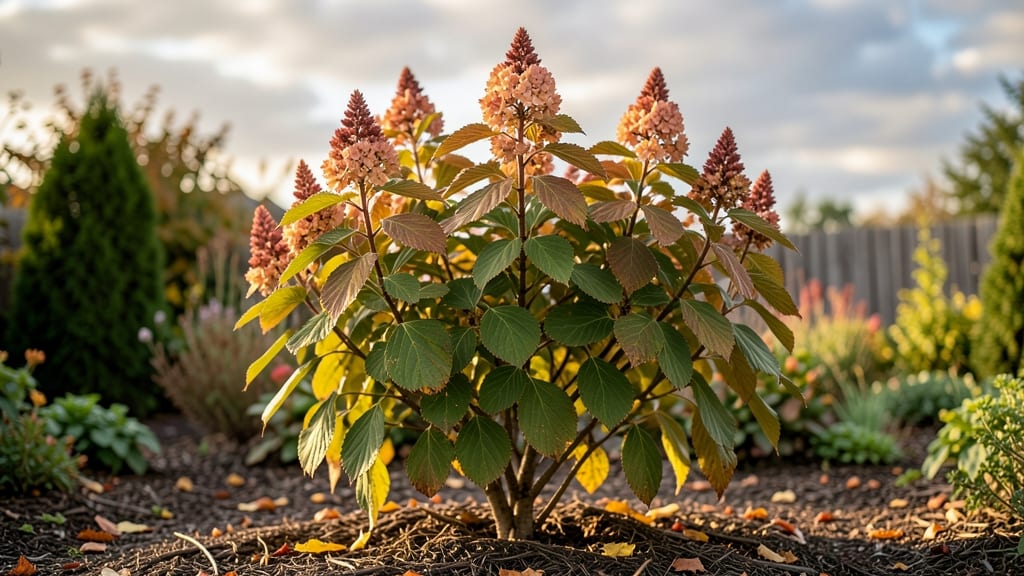
Fall is when hydrangea trees reveal their true magic—deepening colors, textured foliage, and the chance to prune for next year’s showstopping blooms. 🌿 I’ve spent years watching mine transform from summer’s lush greenery to autumn’s fiery shades, and the secret to keeping them thriving through winter starts now.
One wrong cut in the next two weeks could mean fewer flowers next spring, but done right, you’ll have a tree that stays vibrant even under snow.
The key is timing: prune after the first frost but before hard freezes, when the plant’s growth has naturally slowed. Grab your pruners and focus on removing dead or crossing branches first—this improves airflow and reduces winter stress.
Hydrangeas are forgiving, but late-season cuts encourage new growth that won’t harden off before cold sets in. Think of it as giving your tree a fresh start for next year’s blooms while preserving its autumn charm.
What you’ll end up with is a hydrangea tree that looks stunning in winter and bursts back to life in spring. The foliage stays crisp longer, the structure stays strong, and you avoid the heartbreak of half-dead branches come March.
Plus, the pruning process itself is oddly satisfying—like giving your garden a spa day before the cold hits.
Works for all hydrangea varieties, from the classic oakleaf to the grandiflora types. Whether your tree is young or mature, the same principles apply. Here’s exactly how to do it without overcomplicating things—no green thumb required.
📚 In This Guide
- What you need
- Instructions
- Tips and common mistakes
- Wrapping up and next steps
What you need
- ● Pruning shears: Bypass pruners (sharp, clean, and disinfected with rubbing alcohol). Quantity: 1 pair.
- ● Loppers: For thicker branches (16–24" cutting capacity). Quantity: 1 pair.
- ● Pruning saw: For stubborn, woody stems (8–10" blades). Quantity: 1.
- ● Gloves: Heavy-duty, cut-resistant (e.g., mechanics’ gloves). Quantity: 1 pair.
- ● Disinfectant: 1-part bleach to 9-parts water (for sterilizing tools). Quantity: Small spray bottle or container.
- ● Rake: Sturdy garden rake (for clearing debris). Quantity: 1.
- ● Mulch: Organic (e.g., shredded bark) or inorganic (e.g., gravel). Quantity: 2–3 inches, enough to cover the base.
- ○ Fertilizer (optional): Slow-release, low-nitrogen (e.g., 5-10-10). Quantity: 1–2 lbs per 100 sq ft.
- ● Weather check: Prune on a dry, cool day (avoid frost or rain within 24 hours).
- ● Safety gear: Long sleeves/pants (hydrangeas can have thorns!).
- ● Tree assessment: Identify dead, diseased, or crossing branches before starting.
- ● Water source: Hose or bucket (for post-pruning hydration).
Step-by-step guide to pruning your hydrangea tree in fall
Fall is the perfect time to shape your hydrangea tree for next year's best blooms.
🌿 Step 1: Identify Your Hydrangea Type and Bloom Time
First, check whether your hydrangea blooms on old wood (last year's growth) or new wood (current year's growth). Old-wood bloomers like Oakleaf hydrangeas and Bigleaf hydrangeas need minimal pruning in fall—just remove dead or damaged branches. New-wood bloomers like Panicled hydrangeas can be pruned more aggressively now.
Look for last year's flower heads still clinging to branches. If they're present, your hydrangea blooms on old wood. If not, you're dealing with a new-wood bloomer. I always mark branches with a ribbon if I'm unsure—it saves confusion later.
✂️ Step 2: Gather Tools and Prepare for Pruning
You'll need clean, sharp pruning shears (sterilized with rubbing alcohol), hand pruners for smaller branches, and gloves to protect your hands from thorns. Lay down a tarp or old sheet below the tree to catch debris—hydrangeas shed a lot of leaves in fall.
Sharpen your tools first. Dull blades tear branches, creating jagged wounds that invite disease. Test your shears by cutting a small twig—it should slice cleanly, not crush. I always prune on a dry day when branches are firm, not after rain when they're slippery.
🌱 Step 3: Remove Dead, Diseased, or Weak Branches
Start by cutting out any branches that are dead, diseased, or crossing others. Dead branches snap easily when bent—if it breaks with a dry sound, it's dead. Diseased branches often have blackened spots or oozing sap. Cut these back to the main trunk or a healthy outward-facing bud at a 45-degree angle.
Next, thin out crowded branches to improve airflow. Aim for an open center—you want sunlight to reach the inner branches. I like to step back every few cuts to visualize the shape. Avoid cutting more than one-third of the tree’s foliage in a single session, or you’ll stress the plant.
⏰ Step 4: Shape for Winter and Next Year’s Blooms
For old-wood bloomers, lightly trim only the tips of branches to encourage bushier growth. Cut just above a bud that faces outward—this ensures the tree fills in nicely. Avoid heavy pruning now, as it removes next year’s flower buds.
For new-wood bloomers, you can prune more boldly. Cut back branches by one-third to one-half to promote fresh, vigorous growth for spring blooms. Shape the tree into a natural, balanced form, removing any branches that spoil its symmetry. I always prune in layers—start with the outer branches, then work inward.
💧 Step 5: Clean Up and Protect for Winter
After pruning, rake up all debris and dispose of it in the trash—not the compost—since diseased branches can spread pathogens. Apply a 2-3 inch layer of mulch around the base of the tree (but not touching the trunk) to insulate roots and retain moisture. I use shredded bark mulch because it breaks down slowly and improves soil structure over time.
Finally, give the tree a deep watering to help it recover before winter. Check the soil 6 inches down—if it’s dry, water again. Avoid fertilizing now, as new growth stimulated by nutrients won’t harden off before cold weather. Your hydrangea tree is now winter-ready!
Tips & tricks for perfect fall hydrangea pruning
These simple strategies will help you prune your hydrangea tree like a pro—without the guesswork.
Bloom Time Identification: If you're still unsure whether your hydrangea blooms on old or new wood, look for last year's flower heads. Old-wood bloomers like Oakleaf and Bigleaf varieties will have dried flower clusters still attached. For new-wood bloomers like Panicle types, those flower heads will already be gone. Pro tip: Snap a photo of your tree before pruning—it helps you remember which branches produced blooms last season.
Tool Prep Matters: I can't stress this enough—sterilize your pruning shears with rubbing alcohol before you start. Diseased branches can carry pathogens that spread to healthy parts of the tree. Also, test your shears on a small twig first. If it crushes instead of cuts cleanly, sharpen your blades. A clean cut heals faster and looks better than a jagged tear. I keep a small bottle of rubbing alcohol in my gardening toolbox just for this purpose.
Pruning Angle Technique: When cutting back branches, always make your cuts at a 45-degree angle just above an outward-facing bud. This little detail makes a huge difference in how the tree recovers. The angled cut helps water run off, preventing rot, while the outward-facing bud encourages new growth that fills out your tree's shape. I like to visualize the cut as creating a tiny roof that sheds water away from the wound.
Winter Protection Strategy: After pruning, don't forget to apply that 2-3 inch layer of mulch around the base—but keep it clear of the trunk. I've seen people make this mistake and end up with mulch piled against the bark, which can cause rot. Use shredded bark mulch because it breaks down slowly and improves soil structure over time. This simple step makes all the difference in helping your tree survive winter and bounce back stronger in spring.
Pro Tips for Hydrangea Tree In Fall
- These simple strategies will help you prune your hydrangea tree like a pro—without the guesswork.
- Bloom Time Identification: If you're still unsure whether your hydrangea blooms on old or new wood, look for last year's flower heads.
- Tool Prep Matters: I can't stress this enough—sterilize your pruning shears with rubbing alcohol before you start.
Frequently asked questions
Got questions about keeping your hydrangea tree stunning in fall and prepped for winter?
Here are answers to the most common ones—so you can prune with confidence!
When is the best time to prune a hydrangea tree in fall?
The ideal window is late fall (after leaf drop but before hard frost), ideally between mid-October and November. This gives the tree time to heal before winter dormancy. Avoid pruning too early—new growth can’t harden off before cold snaps. For bigleaf hydrangeas, prune after blooms fade in late summer instead!
Should I prune my hydrangea tree before the first frost?
Not necessarily! Prune after the first frost (if leaves remain) to reduce stress. However, if your tree is overgrown or diseased, light pruning (removing dead/damaged branches) before frost is better than waiting. Just avoid heavy cuts—save major shaping for late fall or early spring.
Can I prune a hydrangea tree in fall if it didn’t bloom this year?
Yes! If your tree didn’t bloom, it’s likely a new growth variety (like panicle or smooth hydrangea). Prune now to encourage next year’s flowers—cut back 1/3 of the oldest stems to stimulate fresh, vibrant blooms. For old wood bloomers (like bigleaf), wait until spring.
What if I prune too late? Will my hydrangea tree survive?
Pruning too late (after December) risks winter dieback, but your tree won’t die—it’ll just struggle to recover. If you must prune late, focus on removing dead/diseased wood only. For heavy cuts, wait until early spring (just before buds swell). Mulch well to protect roots!
Are there any fall pruning mistakes to avoid with hydrangea trees?
- Over-pruning: Never cut more than 1/3 of the tree—this stresses it. Hydrangeas bloom on last year’s growth (for some types), so aggressive cuts = fewer flowers next year!
- Pruning at the wrong angle: Use clean, slanted cuts (just above a bud) to prevent water pooling. Avoid stubs!
- Ignoring pests/disease: Remove any brown, mushy, or bug-infested branches immediately—fall is prime time for fungal spores to spread.
Pro tip: Sterilize tools with rubbing alcohol between cuts to stop disease transfer!
Wrapping up and next steps
Your hydrangea tree’s fall transformation doesn’t have to be a mystery—with the right pruning know-how, you’re already setting the stage for stunning winter blooms and a healthier plant next season! 🌿✨ Remember, timing, tools, and technique are your best friends, so take your time and celebrate the process.
Now that you’re armed with expert tips, grab those shears and give your hydrangea tree the care it deserves—your future garden will thank you!
Next steps:
- Mark your calendar for early spring (just before new growth) to check for any missed pruning.
- Keep an eye on your tree’s health—hydrangeas thrive with a little love!