
How To
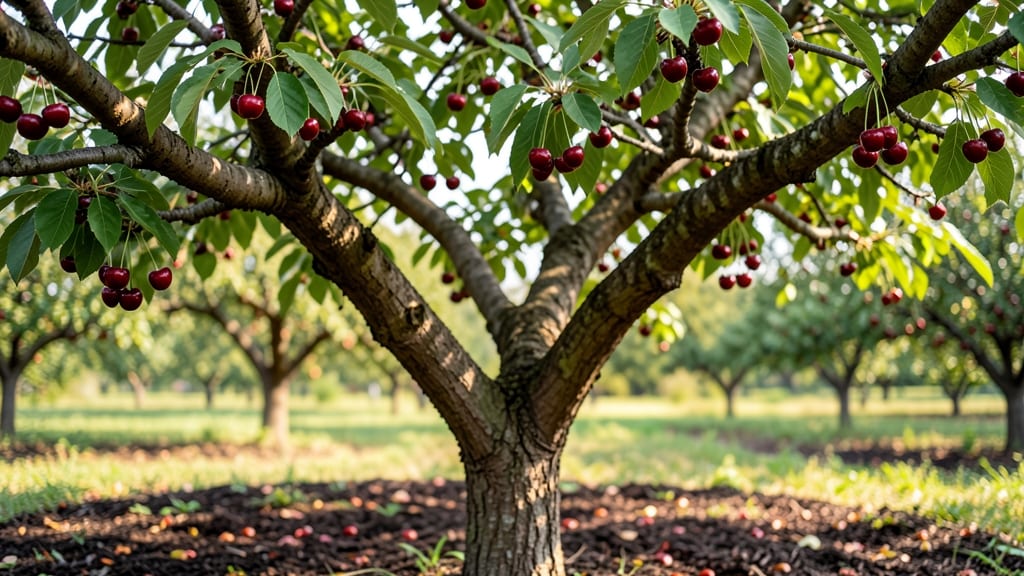
A cherry tree’s mature height can grow how tall does anywhere from 8 feet for dwarf varieties to over 40 feet for standard types, depending on the species and care you provide.
Picture this: your backyard transformed into a sweet-smelling orchard, only to realize that towering 🍒 cherry tree now blocks your neighbor’s view—or your own skyline. The good news?
With the right variety and pruning, you can steer its growth toward your vision, whether that’s a compact shade tree or a full-size fruit producer.
Sweet cherries like ‘Stella’ or ‘Royal Ann’ typically climb 20 to 30 feet, while tart varieties such as ‘Montmorency’ can exceed 30 feet if left unchecked. Ornamental cherries often stay shorter, making them ideal for smaller spaces.
But here’s the catch: without proper pruning, even a dwarf cherry can outgrow its welcome in just a few years.
In this guide, I’ll break down exact height ranges by variety, show you how pruning shapes growth, and share spacing tips to keep your cherry tree thriving—without it turning into an unruly giant.


Cherry tree height by variety: dwarf to giant size comparison
Choosing a cherry tree variety is one of the first decisions that determines how much space it’ll occupy in your landscape. Some varieties grow as tall as a two-story house, while others stay compact enough for small yards or even containers.
The key difference lies in their genetic growth habits, with dwarf, semi-dwarf, and standard options available. Understanding these categories helps you plan for proper spacing and pruning needs from day one.
For example, a standard sweet cherry like 'Bing' can reach 30-40 feet tall, while a dwarf ornamental cherry like 'Stella Compacta' stays under 10 feet. The height differences aren’t just about aesthetics—they also impact fruit production, root system depth, and even wind resistance.
Let’s break down the exact height ranges for popular varieties so you can make an informed choice based on your space and goals.
| Variety Type | Common Varieties | Mature Height (ft) | Growth Rate (ft/year) | Best For |
|---|---|---|---|---|
| Dwarf | 'Stella Compacta', 'Compact Stella', 'Compact Black Tartarian' | 8-12 ft | 1-2 ft | Containers, small yards, urban gardens |
| Semi-Dwarf | 'Montmorency', 'Rainier', 'Lapins' | 12-18 ft | 2-3 ft | Backyards, orchards, mixed landscapes |
| Standard (Sweet) | 'Bing', 'Rainier', 'Lambert' | 20-40 ft | 3-5 ft | Large properties, rural orchards |
| Standard (Tart) | 'Montmorency', 'Balaton', 'Meteor' | 20-30 ft | 2-4 ft | Fruit production, large gardens |
| Ornamental | 'Kanzan', 'Okame', 'Autumnalis' | 15-25 ft | 2-3 ft | Landscaping, seasonal interest |
If you’re working with a limited space, dwarf varieties like 'Stella Compacta' are my top recommendation. These trees reach only 8-12 feet tall and grow just 1-2 feet per year, making them perfect for patios or even large containers.
Their smaller size also means they require less pruning maintenance and are easier to harvest from. Plus, many dwarf varieties produce high-quality fruit despite their compact stature.
For backyard orchards, semi-dwarf varieties strike a balance. Trees like 'Montmorency' (a tart cherry) or 'Rainier' (a sweet cherry) grow to 12-18 feet, which is tall enough for substantial fruit production but manageable with basic height control pruning.
These varieties also have the advantage of faster growth—expect 2-3 feet of height gain annually—so you’ll see a harvestable tree in just a few years.
Standard varieties, like the classic 'Bing' sweet cherry, are the giants of the cherry world, often reaching 30-40 feet tall. While their height and spread make them ideal for large rural properties or orchards, they require significant space and regular pruning to manage their size.
If you’re dreaming of a shade tree with abundant fruit, a standard variety might be worth the commitment—but only if you have the room and time for maintenance.
Ornamental cherry trees, like the stunning 'Kanzan', offer a middle ground with heights of <
How pruning affects cherry tree growth: techniques for height control
Pruning isn't just about shaping your cherry tree—it directly controls how tall it grows. Without proper pruning, even dwarf varieties can reach unexpected heights, while aggressive pruning can stunt growth entirely. The key is understanding when and how to prune based on your tree's variety and growth stage.
For example, a sweet cherry may need different pruning than a tart cherry or ornamental type.
Timing is everything. Prune at the wrong season, and you risk damaging your tree's health or encouraging disease. Most cherry trees benefit from late winter or early spring pruning, just before buds swell.
However, summer pruning can also help control height for fast-growing varieties. Let's break down the exact steps to keep your cherry tree at your desired height without sacrificing fruit production or health.
Step-by-Step Pruning Guide for Cherry Tree Height Control
- 1 Choose the right tools: Use sharp pruning shears for small branches and a pruning saw for thicker limbs. Sterilize tools with rubbing alcohol to prevent disease spread.
- 2 Identify target branches: Remove suckers at the base and crossing branches first. These compete for nutrients and can make your tree grow unevenly. Aim to remove no more than 25% of the canopy in one session.
- 3 Prune for height control: For vertical growth reduction, cut back upward-growing branches just above an outward-facing bud. For horizontal spread control, trim branches that grow too wide. Always cut at a 45-degree angle just above a bud.
- 4 Seasonal timing matters: Late winter/early spring (before buds swell) is ideal for most varieties. Summer pruning (June-July) helps control height in fast-growing trees but can reduce fruit yield if overdone.
- 5 Avoid common mistakes: Never prune wet wood (last year's growth) on sweet cherries—this invites bacterial canker. Don't remove too many branches at once, or your tree may struggle to recover. Always seal larger cuts with pruning sealant.
- 6 Monitor growth annually: Check your tree's height and spread every spring before pruning. Adjust your cuts based on how much it grew the previous year. Dwarf varieties may need less aggressive pruning than standard types.
For sweet cherry trees, focus on removing water sprouts and dead wood during late winter.
These trees are more sensitive to pruning mistakes, so prioritize clean cuts and disease prevention. Tart cherry trees, on the other hand, handle pruning better and can tolerate more aggressive height control measures if needed.
Remember, pruning isn't just about height—it's also about air circulation and fruit production. If you prune too aggressively, you might end up with fewer cherries. Balance is key: aim to open up the canopy while maintaining a strong central leader for structural support.
With the right approach, you can keep your cherry tree at a manageable height without sacrificing its beauty or productivity.
Start small with your pruning efforts, especially if you're new to this process. Practice on non-fruiting branches first to get a feel for how your tree responds.
Over time, you'll develop an intuition for when and how much to prune to achieve your desired height—whether that's a compact 8-foot dwarf or a manageable 15-foot standard variety. ✂️🌳🍒