
How To
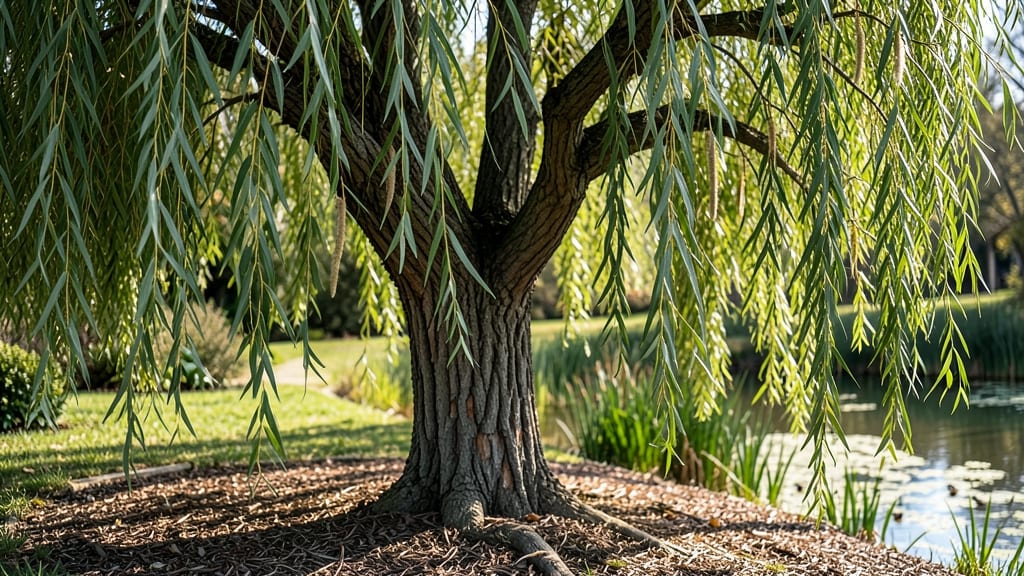
How tall does a willow tree grow? The answer varies dramatically—from 20 feet to over 100 feet, depending on the species and growing conditions, making them one of the fastest-growing trees on the planet.
Imagine planting a sapling in your backyard only to watch it shoot up 3 to 5 feet in its first year—some varieties double that in ideal conditions.
But before you get excited, consider this: a weeping willow’s graceful branches can stretch 50 feet wide, while a pussy willow stays compact at just 10 feet. The difference in space needs is dramatic.
If you’re in USDA Zone 6a or warmer, soil moisture and sunlight become the key factors in controlling height. Too much water or poor pruning can turn a manageable tree into an unruly giant, while strategic trimming keeps it in check for smaller gardens.
In this guide, I’ll break down the fastest-growing species, how climate affects their height, and the pruning secrets to keep them from outgrowing your space. Whether you want a privacy screen or a striking focal point, you’ll find the perfect fit.


Willow tree growth heights by fastest-growing species (with mature size data)
Willow trees are famous for their rapid growth, but their mature heights can vary dramatically depending on the species. Some varieties grow over 100 feet tall, while others remain compact enough for small yards.
Understanding these differences helps you choose the right willow for your space and climate. Below, I’ve compiled data on the 10 fastest-growing willow species, including their mature heights, growth rates, and ideal conditions.
Fast-growing willows typically reach maturity in 5-15 years, but their height potential depends on soil moisture, sunlight, and pruning habits. For example, the black willow can shoot up 5 feet per year under ideal conditions, while the dwarf willow stays under 10 feet.
Always check your local USDA hardiness zone before planting, as cold sensitivity affects growth rates.
🌳
Weeping willows, like the Salix babylonica, are stunning but require ample space—their trailing branches can spread 20–30 feet wide. In contrast, dwarf varieties like Salix repens are perfect for containers or small gardens, staying under 10 feet tall.
Always consider your property’s layout before planting; willows with aggressive roots can damage foundations or sewer lines if not contained.
For fastest growth
How to control willow tree height: pruning tips for gardeners
Willow trees grow with remarkable speed, but their rapid ascent can quickly overwhelm even spacious gardens. The key to managing their height and shape lies in strategic pruning techniques that slow vertical growth while maintaining a healthy canopy.
Unlike many trees, willows respond aggressively to pruning, so timing and method matter greatly for long-term control.
If you're dealing with a weeping willow or other fast-growing species, proper pruning can reduce mature height by 30-50% over time. However, improper cuts can stimulate even more vigorous growth or create weak branch structures.
Let's explore the science-backed approach to keeping your willow tree at your desired height while preventing aggressive root spread.
⚠️ Critical Note: Willow trees produce suckers from their roots and stumps. To fully control height, you must also manage these underground growth points. We'll cover this essential step in our pruning checklist below.
Step-by-Step Willow Tree Pruning Checklist
- 1 Timing is Everything: Prune dormant willows in late winter (before buds swell) or early spring. Avoid summer pruning as it stimulates excessive growth.
- 2 Gather Your Tools: Use sterilized loppers for branches 1-2 inches thick, and a pruning saw for thicker stems. Disinfect tools between cuts to prevent disease.
- 3 Remove Dead/Diseased Wood: Start by cutting out dead branches and any with fungal signs. Make cuts just outside the branch collar at a 45-degree angle.
- 4 Shape the Canopy: To control height, remove 1/3 of the tallest branches each year. Focus on upper branches to redirect energy to lateral growth. Never remove more than 25% of the canopy in one year.
- 5 Manage Suckers: Dig up root suckers within 12 inches of the trunk using a shovel or dandelion digger. For stubborn suckers, apply vinegar or copper sulfate to the cut stump.
- 6 Post-Pruning Care: Apply mulch around the base (3-4 inches deep) to retain moisture. Water deeply after pruning to help the tree recover. Avoid fertilizing immediately after pruning.
For weeping willow varieties, focus on pruning the longest drooping branches first to encourage a fuller, bushier shape. These varieties naturally grow wider than they do tall, making them ideal for landscape screening when properly pruned.
Remember that willows grow 2-3 feet per year, so consistent pruning is essential to maintain your desired height.
If your willow tree is already too tall for your space, consider gradual reduction pruning over 2-3 years rather than drastic cuts. This approach minimizes stress on the tree while still achieving significant height control. Always step back and visualize the tree's shape after each cut to avoid over-pruning.
With these techniques, you can enjoy the beauty of willow trees without sacrificing your garden's layout. The key is patience and consistency—willows reward careful pruning with dense foliage and controlled growth patterns. Happy pruning! 🌳✂️