
How To
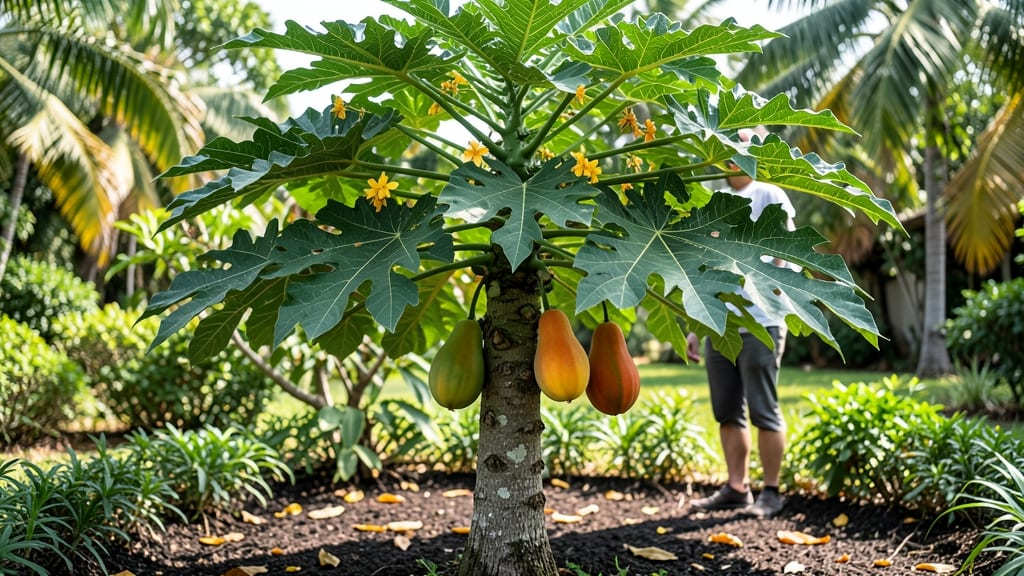
A papaya tree can grow between 10 and 30 feet tall 🥝, depending on the variety and growing conditions — some varieties stretch toward the sky like a tropical skyscraper, while others stay more manageable for smaller spaces.
If you're dreaming of growing your own tropical paradise, you might be surprised to learn that the right choice depends on more than just space. Climate, pruning habits, and even soil quality can turn a 15-foot tree into a 30-foot giant or keep it compact enough for a patio container.
This flexibility makes papayas a great fit for both backyard gardeners and urban growers, but it also means you’ll need to plan ahead. Without proper care, even a dwarf-like variety can outgrow its welcome, while aggressive pruning can stunt fruit production.
Below, I’ll break down how to choose the right variety for your space, what climate factors influence height, and the simple pruning tricks that keep your tree in check—without sacrificing those sweet, tropical fruits.


Papaya tree height by variety: from dwarf to towering giants
Choosing the right papaya variety is key if you're limited by space or dreaming of a backyard jungle. Some varieties like Red Maradol grow into towering 20-foot giants, while others like Solo stay manageable at 8-10 feet.
Your climate and growing conditions will determine which varieties thrive—and how tall they'll reach. Let's explore the height ranges and growth habits of popular papaya varieties so you can pick the perfect fit for your garden.
Papaya trees are fast growers, with some varieties reaching mature heights in just 12-18 months. However, their ultimate size depends heavily on the variety you choose. For example, the SunUp variety typically stays between 10-15 feet, making it ideal for larger containers or small yards.
Meanwhile, the Kapoho Solo can grow up to 20 feet in ideal tropical conditions, requiring more space and structural support.
| Variety | Mature Height (ft) | Growth Habit | Ideal Climate | Space Needs |
|---|---|---|---|---|
| Red Maradol | 15-25 ft | Fast-growing, upright | Tropical (Zones 10-11) | Large yard or greenhouse |
| Kapoho Solo | 10-20 ft | Bushy, compact | Tropical/Subtropical | Medium to large space |
| SunUp | 10-15 ft | Semi-dwarf, upright | Tropical/Subtropical | Containers or small yards |
| Golden | 12-18 ft | Tall, slender | Tropical | Large outdoor space |
| Tainong No. 1 | 10-14 ft | Compact, bushy | Tropical/Subtropical | Containers or small gardens |
If you're growing papaya trees in containers, opt for varieties like SunUp or Tainong No. 1, which stay under 15 feet and adapt well to pot life. These varieties are perfect for balconies or patios in warmer climates.
Just ensure your container is at least 15-20 gallons to accommodate their root systems and provide stability as they grow.
The Red Maradol variety is the tallest on our list, often reaching 20-25 feet in ideal conditions. This makes it better suited for large tropical gardens or commercial farms.
If you're in a cooler climate, consider growing it in a greenhouse or as a seasonal plant where you can control its environment and manage its height with pruning.
For small-space gardens, the Kapoho Solo is a fantastic choice. It grows to about 10-20 feet but has a bushier, more compact growth habit than other varieties.
This makes it easier to manage and harvest fruit from without needing a ladder. Plus, its vibrant red fruit is a standout in any garden.
Climate plays a huge role in how tall your papaya tree will grow. In tropical zones (10-11), trees thrive and reach their maximum height potential. However, in subtropical zones (9-10), growth may be slower, and mature heights could be slightly shorter.
If you're in a cooler climate, focus on varieties like SunUp or Tainong No. 1, which are more adaptable.
One common misconception is that all papaya trees grow into massive giants. While some varieties do reach impressive heights, others like SunUp and Tainong No. 1 are perfectly suited for
Climate and growing conditions that affect papaya tree height
A papaya tree's mature height isn't set in stone—it's heavily influenced by your local climate and growing conditions. In tropical zones like Hawaii or Florida, these trees can reach 20-30 feet with ideal warmth and humidity.
But in cooler subtropical areas, they often stay between 10-15 feet due to slower growth. Understanding these factors helps you choose the right variety and manage expectations for your space.
The temperature plays a critical role. Papayas thrive in USDA zones 10-11, where temperatures stay above 60°F (15°C) year-round. Below 50°F (10°C), growth stalls, and frost will kill the plant instantly.
In cooler climates, you'll need to grow them in containers or greenhouses to maintain height potential. Even a few degrees difference can mean the difference between a 10-foot tree and a 20-foot giant.
🌱 Key Takeaway: Papaya Tree Height by Climate
20-30 ft
Ideal warmth, high humidity, year-round growth
10-15 ft
Slower growth, cooler winters limit height
5-10 ft
Controlled conditions, stunted growth without heat
Humidity is another game-changer. Papayas love 70-80% humidity, which speeds up growth and encourages lush foliage. In dry climates like Arizona or California, trees may only reach half their tropical potential unless you use mist systems or indoor humidity trays. Low humidity can also lead to smaller leaves and stunted growth, directly impacting how tall your tree becomes.
Sunlight exposure is non-negotiable—papayas demand 6+ hours of direct sun daily. In shady conditions, they grow taller but leggier, with weaker stems that can't support their own weight. This often results in top-heavy trees that topple over or produce smaller, fewer fruits.
If you're growing in a container, place it in the sunniest spot possible, like a south-facing patio, to maximize height potential.
Container vs. ground planting makes a surprising difference. In-ground papayas have more root space, allowing them to grow taller and stronger. But container-grown trees stay 30-50% shorter unless you use extra-large pots (20+ gallons).
The key is to uproot and repot every 2-3 years to give roots room to expand. Without proper container size, your papaya might max out at 8-10 feet instead of its full height.
For cooler climates, a greenhouse or indoor setup is your best bet. With grow lights and a heat mat, you can coax a papaya to reach 10 feet indoors, though it’ll grow slower than outdoors.
Just remember: prune regularly to manage height, and use dwarfing rootstock if available (though true dwarf papayas are rare). With the right conditions, even a small balcony can host a fruit-bearing papaya tree—just don’t expect jungle-sized heights! 🌿