
How To
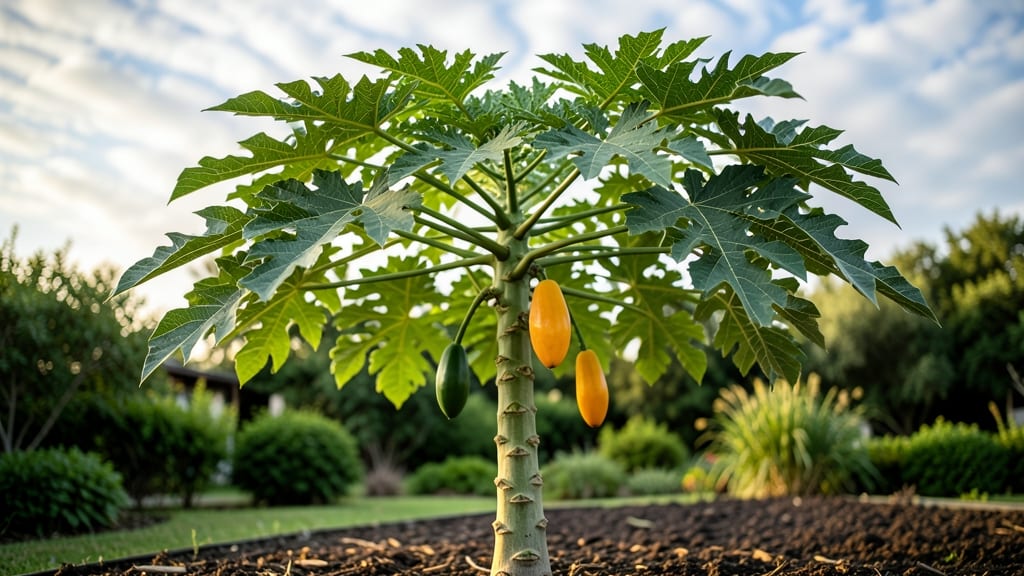
A papaya tree can grow between 15 and 30 feet tall, turning your backyard into a tropical oasis—or a space challenge, depending on the variety and care you provide.
If you're dreaming of a lush tropical garden but wondering whether a papaya tree will tower over your backyard—or fit neatly in a container—you’re not alone. These trees thrive in zones 10-12, where they stretch toward the sky, but their height depends on more than just climate.
The right variety makes all the difference: some stay compact, while others reach three stories tall. Pruning, sunlight, and soil quality also play a role in controlling their growth, so choosing the right approach is key before planting.
In this guide, I’ll break down the height ranges by variety, share tips to manage their size, and help you decide if a papaya tree is the right fit for your space—whether you’re growing in the ground or in a container.


Papaya tree height by variety: from dwarf to giant tropical giants
Papaya trees (Carica papaya) are tropical wonders that can reach impressive heights, but their final size varies dramatically by variety. While some varieties grow tall enough to shade your entire backyard, others stay manageable for containers or small gardens.
The key to predicting height lies in understanding each variety’s growth potential and how climate and pruning influence it.
Most papaya trees fall into three broad categories: standard, semi-dwarf (rare), and dwarf (extremely rare). Unlike other fruit trees, papayas don’t have widely available dwarf varieties—so if you’re working with limited space, you’ll need to rely on pruning or container gardening to control their height.
Let’s explore the height ranges you can expect from popular varieties and how to manage them.
🌱 Did You Know? The tallest recorded papaya tree reached 30 feet, but most home gardeners grow varieties between 10–20 feet. The difference comes down to genetics, sunlight, and care.
| Variety | Mature Height | Growth Rate | Notes |
|---|---|---|---|
| Solo (Standard) | 15–25 ft | 3–6 ft/year | Most common; tall, productive |
| SunUp (Semi-Dwarf) | 10–15 ft | 2–4 ft/year | Compact; ideal for containers |
| Red Maradol | 12–18 ft | 2–5 ft/year | Smaller fruit; moderate height |
| Tainung #1 | 20–30 ft | 4–7 ft/year | Fast-growing; needs space |
| Pink Flesh (Heavenly Pink) | 10–14 ft | 2–4 ft/year | Dwarf-like; sweet fruit |
🌿 Height Tip: Prune young trees to encourage bushier growth and reduce height by 30–50%.
The Solo variety is the most popular for home gardens because it’s hardy and productive, but it can easily reach 20 feet in ideal conditions. If you’re growing in USDA Zones 10–12, expect faster growth due to year-round warmth.
In cooler climates, growth slows significantly, and trees may stay shorter unless you provide greenhouse conditions.
For container gardening, the SunUp and Pink Flesh varieties are your best bets. These stay under 15 feet and can thrive in large pots (at least 15-gallon capacity) with proper pruning. Just remember: containers dry out faster, so monitor soil moisture closely to avoid stunted growth.
Pruning plays a huge role in controlling height. If you want a bushier, shorter tree, prune the main stem when it reaches 4–5 feet. This encourages lateral branches to form, reducing the tree’s overall height by up to half. However, be cautious—over-pruning can delay fruiting.
Climate also affects height. In humid tropical regions, papaya trees grow faster and taller due to ideal conditions. In drier or cooler areas, growth slows, and trees may max out at 10–12 feet unless given extra care like fertilizer and supplemental light.
If you’re growing papayas in containers, choose a variety like SunUp and prune regularly to keep it under control. For ground planting, standard varieties like Solo or Tainung #1 will thrive but need space.
Always plant in well-draining soil with full sun to avoid height-related issues like weak stems or poor fruiting.
🌳 Pro Tip: If you love papayas but lack space, consider growing them as multi-stemmed bushes by pruning early. This creates a fuller, shorter plant that’s perfect for small gardens or patios.
How to control papaya tree height: pruning, training, and container gardening tips
Papaya trees (Carica papaya) can reach 15-30 feet tall in ideal conditions, but their height is manageable with the right techniques. If you're growing in a small space or urban garden, pruning and container training are your best tools.
The key is to control vertical growth while maintaining fruit production and plant health.
For container gardening, choose dwarf varieties (though true dwarf papayas are rare) or use pruning to limit height. Even standard varieties can be kept under 6-8 feet tall with regular maintenance.
Start by understanding your tree's growth habits—papayas grow rapidly in warm climates and can double in height within a growing season.
Here’s a step-by-step guide to managing your papaya tree’s height, whether you’re pruning for shape or training for containers:
Select a compact variety like 'Solo' or 'SunUp' for smaller spaces. Even standard varieties can be pruned to stay under 6-8 feet.
Use selective pruning to remove suckers and excess branches. Cut back 1/3 of new growth in spring to encourage bushier growth.
Use a 5-gallon+ container with well-draining soil. Prune roots if they outgrow the pot and top-dress with compost annually.
Reduce fertilizer in fall to slow growth. In winter (if in cooler zones), move containers indoors near bright light to prevent legginess.
Check for uncontrolled suckers monthly. Remove any growth exceeding your desired height to maintain balance.
When pruning, always use sterilized shears to avoid disease. Cut just above a leaf node or branch to encourage new growth. For container gardening, rotate pots weekly to ensure even sunlight exposure, which prevents lopsided growth.
Remember, papaya trees thrive on full sun and warmth, but their height is entirely manageable with these techniques. With regular pruning and container training, you can enjoy a fruit-bearing papaya tree even in limited spaces—whether it’s a balcony, patio, or small backyard.
🌱