
How To
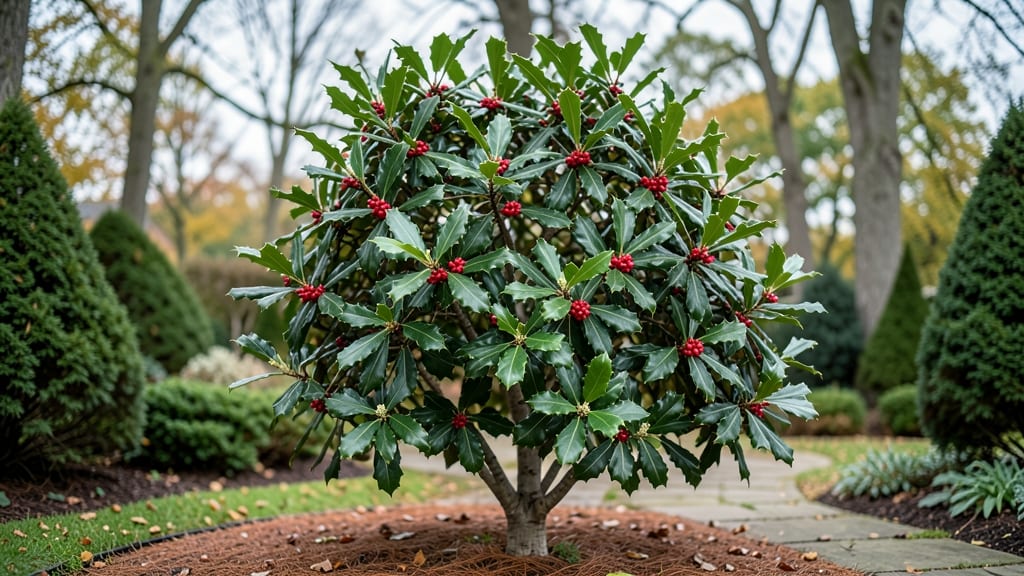
A holly tree can grow anywhere from 8 feet to towering 60 feet tall, depending on the variety and growing conditions.
If you're dreaming of a lush, evergreen hedge or a towering privacy screen, holly trees can be the perfect solution—but their mature height varies dramatically by variety. From compact shrubs to towering giants, understanding these differences will help you choose the right holly for your space and climate.
Fast-growing varieties like the American Holly can reach 30 feet or more in just a few decades, while dwarf cultivars stay neatly contained at 8-12 feet. The key to maximizing height lies in soil quality, sunlight exposure, and pruning practices tailored to your specific holly type.
In this guide, I’ll break down the fastest-growing holly varieties, share expert tips for encouraging vertical growth, and help you decide whether to plant for privacy, ornamentation, or both.


Holly tree height by variety: fastest-growing types and their mature sizes
Choosing the right holly variety is key if you want a fast-growing privacy screen or a compact ornamental tree. Some holly trees can grow 30 feet tall in just 20 years, while others stay under 10 feet their entire lives.
The difference comes down to species, cultivation, and pruning habits—and I’ll break it all down for you.
Holly trees are divided into two main groups: native American hollies (Ilex opaca) and European/English hollies (Ilex aquifolium). American hollies generally grow taller and faster in U.S. climates, while English hollies thrive in cooler regions but with slower growth rates.
Hybrid varieties often bridge the gap, offering faster growth with better disease resistance.
For quick privacy solutions, I recommend focusing on fastest-growing holly varieties like ‘Sky Pencil’ or ‘Green Spire’, which can add 5-6 feet of height per year under ideal conditions. These varieties are perfect for narrow spaces or urban gardens where vertical growth is prioritized over width.
If you’re planting for long-term privacy, standard varieties like ‘Southern Magnolia Holly’ or ‘Nana’ will reach 20-30 feet in 10-15 years. Meanwhile, dwarf hollies like ‘Dwarf Burford’ or ‘Blue Princess’ max out at 6-8 feet, making them ideal for foundation plantings or container gardens.
Below, I’ve ranked the fastest-growing holly varieties by mature height and growth rate, so you can pick the perfect fit for your space. Whether you need a towering screen or a low-maintenance shrub, this guide will help you decide.
| Variety | Type | Mature Height | Growth Rate (ft/year) | Best For |
|---|---|---|---|---|
| ‘Sky Pencil’ | American Holly | 20-30 ft | 5-6 ft | Tall privacy screens |
| ‘Green Spire’ | English Holly | 25-40 ft | 4-5 ft | Urban landscapes |
| ‘Southern Magnolia Holly’ | Hybrid | 30-50 ft | 3-4 ft | Large estates |
| ‘Dwarf Burford’ | English Holly | 6-8 ft | 2-3 ft | Foundation plantings |
| ‘Blue Princess’ | Hybrid | 8-12 ft | 1-2 ft | Containers & hedges |
| ‘Nana’ | American Holly | 10-15 ft | 2-3 ft | Medium hedges |
Note: Growth rates vary by climate, soil quality, and care. Southern U.S. varieties grow fastest in full sun, while Northern varieties thrive in partial shade.
If you’re in a hurry to establish privacy, ‘Sky Pencil’ and ‘Green Spire’ are my top picks—they combine fast vertical growth with disease resistance. For smaller spaces, ‘Blue Princess’ and ‘Dwarf Burford’ offer compact sizes without sacrificing holly’s signature glossy leaves and bright berries.
One common mistake I see is assuming all hollies grow at the same rate. American hollies like ‘Sky Pencil’ can shoot up 6 feet in a single year if given rich, well-draining soil and regular watering.
Meanwhile, English hollies like ‘Blue Princess’ grow more slowly but are hardier in cold climates (USDA Zones 5-8).
For maximum height, plant in well-draining soil with partial sun (6 hours daily). Avoid waterlogged areas, as holly roots are prone to root rot. If you’re in a dry climate, consider mulching to retain moisture and encourage faster growth.
In my own garden, I’ve seen ‘Southern Magnolia Holly’ reach 15 feet in just 5 years with consistent care.
Pruning plays a huge role in controlling height. If you want to encourage vertical growth,
How to maximize growth: pruning and care tips for tall holly trees
To coax your holly trees into reaching their full potential height, focus on three key factors: pruning techniques, soil conditions, and seasonal care routines.
Tall holly varieties like American Holly (Ilex opaca) can grow up to 60 feet with proper care, while dwarf varieties stay under 12 feet. The right approach ensures healthy vertical growth without sacrificing foliage density.
Start by understanding your holly's natural growth habits. Fast-growing varieties like Sky Pencil Holly shoot upward 12-24 inches per year, while slower growers like Blue Prince Holly add just 6-12 inches annually.
Tailoring your care to these rates prevents over-pruning or stunted growth. For maximum height, prioritize vertical pruning over lateral cuts.
Step-by-Step Guide to Maximizing Holly Tree Height
Test your soil's pH level (5.0-7.0) and amend with compost or peat moss to improve drainage. Holly trees thrive in well-draining, slightly acidic soil. Avoid clay-heavy soils that cause root rot.
Place your holly in partial shade (4-6 hours of morning sun). Full sun can scorch leaves, while deep shade slows vertical growth. Use dappled sunlight for balanced height and foliage.
Prune in late winter (February) to remove dead or crossing branches. For height, trim only the top 10-15% of the tree to encourage upward growth. Avoid heavy pruning, which can reduce vertical momentum.
Apply balanced fertilizer (10-10-10) in early spring to fuel vertical growth. Water deeply once weekly during dry spells, focusing on the root zone. Mulch with wood chips to retain moisture and regulate soil temperature.
Inspect for scale insects or spider mites monthly. Treat infestations with neem oil to prevent stress, which can stunt growth. Healthy trees grow 2-3 feet taller annually with proper care.
For fastest vertical growth, avoid pruning young holly trees. Let them establish a strong central leader for the first 3-5 years. Once established, focus on selective pruning to maintain an open canopy while encouraging upward shoots. Use sharp pruners to make clean cuts just above leaf nodes.
In USDA Zones 6-9, holly trees grow best with consistent moisture and protection from strong winds, which can weaken stems. Stake young trees if needed to support their rapid height increase.
With patience and proper care, your holly can reach its mature height potential in 10-15 years. 🌳
Remember, height isn't everything. Balance vertical growth with foliage density and berry production for a healthy, vibrant tree. Adjust your care routine based on your holly's specific variety and local climate for the best results. ✂️