
Pruning
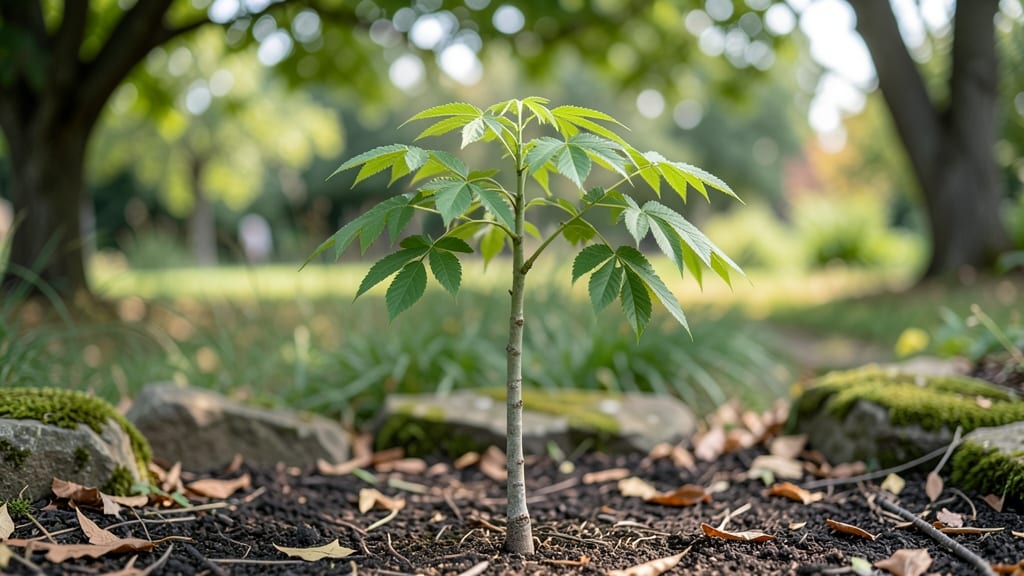
Growing a hickory tree from a cold-stratified seedling means you’ll have a sturdy, native shade tree in just 6 weeks. 🌱 The key is mimicking nature’s timing—those hard seeds need a winter chill to wake up.
I’ve grown hickories from seed for years, and the trick isn’t complicated: patience, the right soil, and a little winter magic in your fridge. You’ll need a quart-sized container, well-draining soil mix, and a spray bottle for gentle watering.
Most garden centers sell hickory seeds pre-stratified, but if you’re starting from scratch, soak them in warm water for 24 hours first. The goal is to break dormancy without overdoing it—hickories hate soggy roots. By week 6, you’ll see 2-3 inch sprouts pushing through the soil, ready for transplanting.
The first leaves are delicate, so keep them out of harsh wind until they’re established. These aren’t fast growers, but once they hit 3 feet, they’ll reward you with edible nuts and 100-foot shade in 20 years. Works for homesteaders, timber growers, or anyone who loves native trees.
The hardest part? Waiting—but trust me, that first harvest of hickory nuts makes it worth it.
📚 In This Guide
- What you need
- Instructions
- Tips and common mistakes
- Wrapping up and next steps
What you need
- ● Hickory tree seeds: 10–20 fresh, viable seeds (harvested from mature nuts, ideally from a local source).
- ● Cold-stratification supplies: 1–2 resealable plastic bags (quart-sized or larger).
- ● 1 cup moistened peat moss or vermiculite (keep damp but not soggy).
- ● Growing containers: 2–4 small pots (3–4 inches deep) with drainage holes, or a seed tray with individual cells.
- ● 1 high-quality potting mix (well-draining, like a 50/50 blend of peat and perlite).
- ● Tools: 1 spoon or small trowel for planting.
- ● 1 spray bottle (for gentle watering).
- ○ 1 plastic wrap or humidity dome (optional, to retain moisture).
- ● A seedling heat mat (to accelerate germination in cooler climates).
- ● 1 grow light or sunny windowsill (if natural light is limited).
- ● 1 pH testing kit (to ensure soil pH is between 6.0–7.0, ideal for hickory).
- ● 1 fertilizer (balanced 10-10-10, diluted to half-strength for young seedlings).
Step-by-step instructions for growing a hickory seedling from cold stratification
Here's how I turn hickory nuts into sturdy seedlings ready for planting in just six weeks.
🌱 Step 1: Harvest and Prepare the Hickory Seeds
Collect fresh hickory nuts in late fall when they've fallen naturally. The larger, heavier nuts produce the strongest seedlings, so choose the biggest ones you find. Crack open the hard shells to reveal the seed inside—this is what we'll grow. Don't wash the seeds; any moisture will encourage mold before stratification begins.
Place the seeds in a paper towel or breathable fabric, then store them in a sealed plastic bag with a small amount of moistened peat moss. The goal is to keep them damp but not soggy. I like to check them weekly and add a few drops of water if the peat feels dry. This pre-moistening mimics natural winter conditions and helps kickstart germination.
🥶 Step 2: Cold-Stratify for 6-8 Weeks
Place the sealed bag of seeds in your refrigerator's crisper drawer, where temperatures hover around 35-45°F. This cold stratification mimics winter's natural chilling period, breaking dormancy so the seed knows it's time to grow. I mark the bag with the date and set a reminder to check it every two weeks—this ensures I don't forget and accidentally let it sit too long.
After 6-8 weeks, remove the seeds and check for signs of sprouting. You'll see a tiny white root pushing through the seed coat—that's your signal it's ready for planting. If no roots have appeared, give it two more weeks of cold treatment before proceeding. Patience here is key; rushing the process often leads to weak or failed seedlings.
🪴 Step 3: Plant in Growing Medium
Fill small pots or seed trays with a lightweight 50/50 mix of peat moss and perlite—this ensures good drainage while retaining enough moisture for tender roots. Plant each seed about ½ inch deep, pressing gently but not compacting the soil. I use a pencil to make a small hole for each seed, which helps with even depth and prevents overcrowding.
The first true leaves will emerge in 4-6 weeks, but don't expect instant growth. Keep the soil consistently moist (not soggy) by watering from the bottom of the tray. This encourages roots to grow downward rather than sitting in waterlogged soil, which can cause rot. A humidity dome helps maintain even moisture, but remove it once sprouts appear to prevent fungal issues.
☀️ Step 4: Provide Light and Gradual Acclimation
Place the seedlings in bright, indirect light immediately after planting. A south-facing window works, but supplement with a grow light if natural light is weak. Hickory seedlings need 12-14 hours of light daily to grow strong and avoid becoming leggy. You'll notice healthy seedlings developing thick stems and deep green leaves—these are signs they're thriving.
After 4 weeks of indoor growth, start hardening off the seedlings by moving them outside for 1-2 hours daily in a sheltered spot. Gradually increase outdoor time over 2 weeks, exposing them to more sunlight and wind. This slow transition prevents shock and helps them adapt to outdoor conditions. By the time they're ready for transplanting, they'll be tough enough to handle your garden's climate.
⏰ Step 5: Transplant Outdoors at the Right Time
Wait until after the last frost date in your area and when soil temperatures reach at least 60°F before moving seedlings outdoors. Choose a location with full sun and well-draining soil—hickory trees hate soggy roots. Dig a hole twice as wide as the seedling's root ball but no deeper, then place the seedling in and backfill with soil, pressing gently to remove air pockets.
Water deeply after transplanting to settle the soil and encourage root growth. Mulch around the base with 2-3 inches of organic mulch to retain moisture and protect roots from temperature swings. In the first year, seedlings need regular watering (about 1 inch per week) but avoid overwatering, which can lead to root rot. With proper care, your hickory seedlings will grow into strong, shade-providing trees in no time.
Tips & tricks for perfect hickory seedling growth
These simple strategies will help you grow strong, healthy hickory seedlings that thrive from seed to sapling.
Seed Selection: The size of your hickory nuts matters more than you might think. I always choose the largest, heaviest nuts I can find—they contain more stored energy for the seedling's early growth. Crack the shells carefully to avoid damaging the seed inside, and never wash them. Any moisture at this stage invites mold, which can kill your seedlings before they even sprout.
Cold Stratification Precision: Those 6-8 weeks in the refrigerator at 35-45°F are non-negotiable for breaking dormancy. I place my seeds in the crisper drawer where temperatures stay most consistent, and I set a phone reminder to check them every two weeks. If your fridge runs warmer in certain spots, move the bag to the coldest area—consistent cold is what triggers germination.
Planting Depth and Medium: The ½-inch depth for planting is crucial—any deeper and the seedling struggles to push through the soil. I use a 50/50 mix of peat moss and perlite because it drains well while holding enough moisture for tender roots. Pro tip: Use a pencil to make planting holes—it gives you perfect, even depth every time without compacting the soil.
Light and Hardening Strategy: Those 12-14 hours of light daily are essential for strong growth, but don't be tempted to use only natural light unless you're in a very sunny location. Supplement with a grow light if needed, and watch for leggy seedlings as a sign of insufficient light. When hardening off, I start with just 1-2 hours outside in a sheltered spot, then gradually increase exposure over 2 weeks—this slow transition prevents shock that could stunt their growth.
Pro Tips for Hickory Tree Seedling
- These simple strategies will help you grow strong, healthy hickory seedlings that thrive from seed to sapling.
- Seed Selection: The size of your hickory nuts matters more than you might think.
- Cold Stratification Precision: Those 6-8 weeks in the refrigerator at 35-45°F are non-negotiable for breaking dormancy.
Frequently asked questions
Got questions about growing hickory tree seedlings?
You’re not alone! Here are answers to the most common queries—from timing to troubleshooting—to help you nurture a thriving young hickory.
How long does it take for a cold-stratified hickory seedling to sprout?
A cold-stratified hickory seedling typically sprouts within 4 to 8 weeks after planting, depending on soil warmth and moisture. Patience is key—consistent warmth (60–70°F) and indirect light speed up germination. If no sprouts appear after 8 weeks, gently check for rot or adjust moisture levels.
Can I plant hickory seedlings year-round, or is there a best time?
The ideal window is early spring (after frost) or fall (before hard freezes). Planting in summer risks drought stress, while winter can expose seedlings to frost damage. If you must plant in summer, mulch heavily and water deeply to retain moisture.
What’s the easiest alternative if hickory seedlings are hard to find?
Consider pecan, walnut, or butternut seedlings—they share similar care needs (sunlight, well-draining soil) and are often more accessible. For a native twist, try shagbark hickory or mockernut hickory seedlings, which are slightly easier to source than bitternut varieties.
Why is my hickory seedling turning yellow or wilting?
Yellowing leaves often signal overwatering or poor drainage, while wilting can mean underwatering or root stress. Check soil moisture (top inch should be dry), ensure pots have drainage holes, and avoid soggy conditions. If pests like aphids are present, spray with neem oil or insecticidal soap.
Do hickory seedlings need full sun, or can they tolerate partial shade?
Young hickory seedlings thrive in full sun (6+ hours daily), but they can tolerate partial shade (4–6 hours) if established gradually. Avoid deep shade, which slows growth and weakens wood. If planting in shady spots, supplement with grow lights until they mature.
Wrapping up and next steps
Growing a hickory tree seedling through cold stratification is a rewarding process that unlocks fast, healthy growth in just six weeks! 🌱 With the right materials—like moist peat moss, a sealed bag, and patience—you’ll give your seedling the best start possible.
Whether you’re a seasoned gardener or a beginner, this method simplifies the journey to a thriving tree.
Ready to take the next step? Plant your cold-stratified seedling outdoors in well-draining soil, and watch it flourish with care. Happy growing!