
Pruning
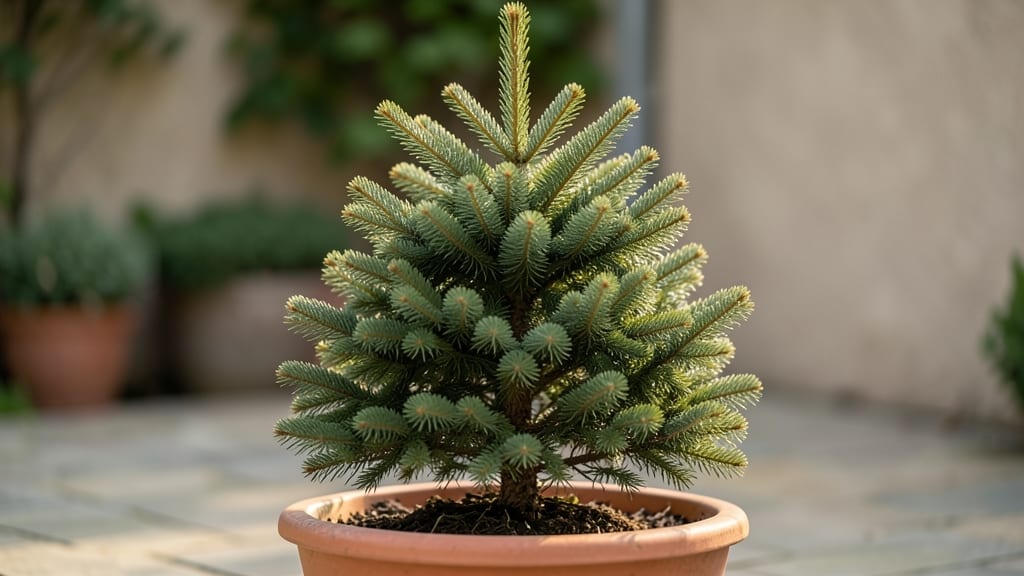
A fir tree pot brings that forest-fresh scent to patios and porches year-round. 🌲 I've grown conifers in containers for decades, and the key to success is matching the right species to your climate—dwarf Alberta spruce or Fraser fir thrive in pots, while balsam fir stays compact enough for small spaces.
The trick isn't just picking the tree; it's the container setup that keeps roots happy and needles lush.
Start with a 10-15 gallon pot for dwarf varieties, upgrading as the tree matures. Drainage holes are non-negotiable—root rot is the silent killer of potted firs. A mix of 60% peat-free potting soil, 30% perlite, and 10% compost mimics their natural acidic, well-draining habitat.
Water when the top inch feels dry, but never let the roots sit in soggy soil—fir trees hate wet feet.
By summer's end, your fir will reward you with deep green needles that smell like Christmas morning. Place it where it gets 4-6 hours of morning sun and afternoon shade, especially in hotter zones.
A balanced 10-10-10 fertilizer in early spring jumpstarts growth, and a light mulch layer keeps moisture consistent. The best part? These trees handle winter in pots—just move them to a sheltered spot before frost.
Watch for spider mites on dry days and root binding after 3+ years—repot every few seasons to keep it thriving. With the right setup, your fir tree pot becomes a low-maintenance evergreen statement piece that outlasts seasonal decor. Let's get yours growing!
📚 In This Guide
- What you need
- Instructions
- Tips and common mistakes
- Wrapping up and next steps
What you need
- ● Fir Tree Pot: A durable, cold-hardy container (12–18 inches in diameter for dwarf varieties, 20+ inches for larger types). Ensure it has: Drainage holes (4+)
- ● Sturdy, weather-resistant material (ceramic, plastic, or fiberglass)
- ● Potting Soil: 10–15 gallons of well-draining, acidic mix (pH 4.5–6.0). Look for a blend labeled for coniferous plants or amend regular soil with: 50% peat moss or coconut coir
- ● 30% pine bark fines
- ● 20% perlite or sand
- ● Fir Tree Sapling: Choose a container-grown variety (e.g., Picea glauca ‘Conica’ or Picea pungens ‘Glauca Globosa’) from a nursery. Size depends on pot: Small pot (12–14"): 1–2 gallon sapling
- ● Large pot (18"+): 3–5 gallon sapling
- ● Mulch: 2–3 inches of pine bark mulch or shredded cedar chips (retains moisture and mimics natural habitat).
- ● Garden Gloves (waterproof, for handling sharp needles)
- ● Trowel or Spade (for planting and soil amendments)
- ● Watering Can (with a rose nozzle for gentle watering)
- ● Pruning Shears (sterilized, for shaping and deadwood removal)
- ● pH Test Kit (to verify soil acidity before planting)
- ○ Container Saucer or Tray (optional, to catch runoff and protect surfaces)
- ○ Cold-Frame or Insulation (optional, for winter protection in zones <7)
Step-by-step guide to growing cold-hardy fir trees in pots
Here’s how to cultivate a sturdy, frost-resistant fir in containers—perfect for small spaces or cold climates.
🪴 Step 1: Select the Right Container and Drainage
Choose a 12-15 gallon container with drainage holes—fir trees need room for root expansion and hate soggy feet. I prefer unglazed ceramic or thick plastic pots because they regulate moisture better than lightweight plastic. If your pot lacks drainage, drill 4-6 holes in the bottom and line with ¼-inch mesh to prevent soil loss.
Fir roots spread horizontally, so depth matters less than width. A 12-inch diameter pot gives roots enough space to establish without circling. If using a decorative pot without drainage, nestle the fir pot inside and place gravel at the base to catch excess water. This prevents root rot, which is the #1 killer of potted conifers.
🌱 Step 2: Prepare a Well-Draining, Acidic Soil Mix
Fir trees demand acidic soil (pH 4.5-6.0)—never use regular garden soil or potting mix. Blend 50% peat moss or coconut coir, 30% pine bark fines, and 20% perlite or pumice for aeration. I add a handful of sulfur granules to lower pH naturally if my soil tests above 5.5. Mix thoroughly until the blend looks uniformly dark and crumbly.
Moisten the mix with lukewarm water until it holds together like a damp sponge—no puddles. Fir roots need oxygen, so compact the soil lightly around the edges of the pot to eliminate air pockets. Press just enough to stabilize the plant but not so much that you squeeze out drainage.
☀️ Step 3: Plant and Position for Optimal Light
Remove the fir from its nursery pot and loosen the root ball gently with your fingers. Place it in the center of the container, ensuring the root flare (where roots meet the trunk) sits ½ inch above soil level. This prevents stem rot from buried wood. Fill gaps with your acidic mix, pressing lightly to eliminate air pockets.
Fir trees thrive in full sun to partial shade (6+ hours of direct light daily). In hot climates, afternoon shade protects needles from scorching. If you’re in a Zone 5-6, move pots to a sheltered spot in winter—even cold-hardy firs can suffer from winter burn if winds dry out the soil. A north-facing porch works well in summer, while a garage or unheated shed shelters roots in winter.
💧 Step 4: Water Deeply and Adjust for Seasonal Needs
Water deeply once a week in summer, letting 1-2 inches of water drain from the bottom. Fir trees hate soggy roots but also wilting needles—check moisture by sticking your finger 2 inches into the soil. If it’s dry, water; if damp, wait. In winter, reduce watering to every 2-3 weeks, as cooler temps slow evaporation.
Use rainwater or distilled water if possible—tap water’s minerals raise soil pH over time. I top-dress with ¼ inch of pine needles annually to retain moisture and mimic forest floor conditions. This mulch also insulates roots in winter, preventing temperature swings that stress the plant.
✂️ Step 5: Prune and Fertilize for Long-Term Health
Prune only to shape—fir trees don’t regrow lost branches well. Use clean, sharp shears to trim brown or damaged tips in early spring. Avoid heavy pruning; even a 10% reduction in foliage can stress the tree. I prune just enough to open the center for airflow, which reduces fungal risks.
Fertilize once in early spring with a slow-release, acidic fertilizer (like 10-10-10 or 16-4-8). Scatter granules 2 inches from the trunk and water deeply to activate them. Over-fertilizing burns roots—less is more with conifers. Yellowing needles often signal over-fertilization or pH imbalance, not nutrient deficiency.
Tips & tricks for thriving fir trees in containers
Growing fir trees in pots takes some finesse—here's how to keep yours happy and healthy year after year.
Container Selection: When choosing between 12-15 gallon pots, opt for the larger size if you're planting a mature fir—those extra 3 gallons give roots room to grow without becoming root-bound. For young saplings, a 12-inch diameter pot works perfectly. I've found that unglazed ceramic pots actually regulate moisture better than plastic, preventing the soil from drying out too quickly in summer. If you're using a decorative outer pot without drainage, place a layer of ½-inch gravel at the bottom before nesting your planting pot inside. This creates a buffer zone that catches excess water and prevents root rot.
Soil Mix Secrets: That 50-30-20 blend of peat moss, pine bark fines, and perlite is non-negotiable for firs, but here's a pro move: sterilize your ingredients first. Spread peat moss and pine bark fines on a baking sheet and bake at 200°F for 30 minutes to kill any fungal spores or weed seeds. This prevents future problems while maintaining the perfect acidic environment. For the perlite, rinse it thoroughly before mixing—dusty perlite can raise soil pH over time, which is the last thing fir trees need.
Light Positioning: The 6+ hours of sunlight recommendation is perfect, but here's what I've learned about positioning: if your fir starts developing brown tips in summer, it's getting too much direct afternoon sun. Move it to a spot where it gets morning sun and afternoon shade—this prevents needle scorch while still providing enough light. In winter, if you're in Zone 5-6, I recommend moving pots to a garage or unheated shed for the coldest months. Even cold-hardy firs can suffer from winter burn when winds dry out the soil and needles freeze.
Watering Wisdom: That finger-check method for moisture works, but I've found a more precise approach: use a moisture meter for the first few weeks to get a feel for your specific soil mix. Fir roots prefer to stay consistently moist but never soggy—aim for the meter to read between 40-50% moisture. In winter, when you're watering every 2-3 weeks, check the soil before watering. If it's still damp 2 inches down, wait another week. The pine needle mulch you add annually actually helps maintain this moisture balance by slowing evaporation.
Pro Tips for Fir Tree Pot
- Growing fir trees in pots takes some finesse—here's how to keep yours happy and healthy year after year.
- Container Selection: When choosing between 12-15 gallon pots, opt for the larger size if you're planting a mature fir—those extra 3 gallons give roots room to grow without becoming root-bound.
- Soil Mix Secrets: That 50-30-20 blend of peat moss, pine bark fines, and perlite is non-negotiable for firs, but here's a pro move: sterilize your ingredients first.
Frequently asked questions
Got questions about growing fir trees in containers? You’re not alone!
Here are some of the most common concerns—plus quick, practical answers to help you get started with confidence.
What types of fir trees thrive best in a fir tree pot?
Cold-hardy firs like Abies concolor (white fir), Picea glauca (white spruce), or Tsuga canadensis (eastern hemlock) adapt well to containers. Dwarf varieties (e.g., ‘Glauca Globosa’ spruce) are ideal for smaller pots. Avoid fast-growing species like Douglas fir—they outgrow containers quickly!
How do I protect my fir tree pot from freezing temperatures?
Move pots to a sheltered spot (e.g., against a north-facing wall) before winter. Wrap the container in burlap or use a tree wrap to insulate roots. Add a thick layer of mulch (straw or bark) around the base. For extreme cold (<10°F), lift the pot and store it in an unheated garage or basement.
How often should I water a fir tree in a pot?
Check soil moisture weekly—containers dry out faster than ground soil. Water deeply when the top 1–2 inches feel dry, but avoid soggy soil (fir roots rot easily). Reduce watering in winter unless the pot is in a heated space. Pro tip: Use a moisture meter for accuracy!
Can I grow a fir tree in a decorative pot instead of a traditional fir tree pot?
Yes! Just ensure the pot has drainage holes and is large enough (minimum 12–18 inches in diameter for mature trees). Avoid glazed ceramic or plastic without holes—root rot is a common issue. If using a decorative outer pot, nestle it inside a functional grow pot for drainage.
Do fir trees in pots need pruning? If so, when?
Prune in late winter or early spring (before new growth starts) to shape the tree and remove dead branches. Use sterilized shears to cut just above a bud or branch collar. Avoid heavy pruning—fir trees are sensitive to stress. Warning: Never prune more than 25% of the foliage at once!
How do I prevent pests like spider mites or bagworms in potted firs?
Inspect trees regularly for webbing, yellowing needles, or small bags (bagworm signs). Spray with neem oil or insecticidal soap early in the season. Encourage beneficial insects (like ladybugs) by planting companion herbs (e.g., lavender) nearby. Keep pots clean to deter fungal issues.
Wrapping up and next steps
Growing a fir tree in a fir tree pot is a rewarding way to enjoy its beauty year-round, even in colder climates! With the right container, soil, and care, you’ll have a stunning evergreen that thrives in your outdoor space.
Whether you’re a seasoned gardener or just starting, this cold-hardy option makes it easy to create a lush, low-maintenance centerpiece.
Ready to bring your fir tree vision to life? Start by selecting the perfect pot—one with drainage holes and enough space for growth—and follow the steps above to set yours up for success. Happy planting! 🌲✨