
Pruning
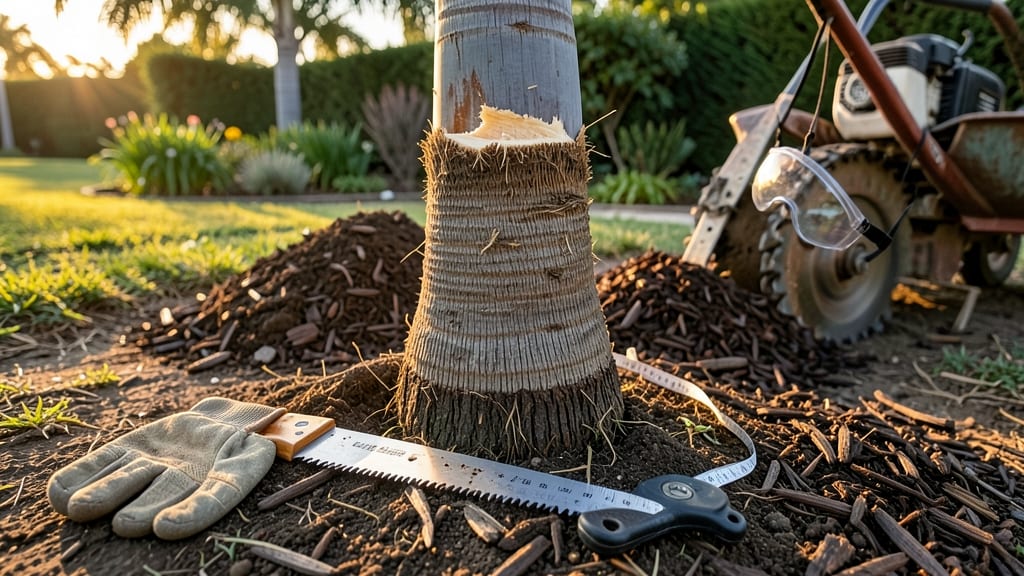
Cutting a palm tree trunk isn’t just about swinging a chainsaw—it’s about precision that keeps your yard safe and your neighbors happy. ✂️ I’ve seen too many messy cuts leave stumps that rot, attract pests, or even topple later.
The right technique means clean removal without damaging roots or nearby plants, and no, it won’t regrow from the stump (palms are different from trees like maples).
You’ll need a chainsaw with a sharp bar, ear protection, gloves, and a stump grinder for the cleanest finish. Safety first: wear goggles, clear a 10-foot radius, and check for power lines if the tree’s near them.
Palm trunks are fibrous, so a standard saw might struggle—rent or borrow a heavy-duty chainsaw if yours isn’t up to the job.
Start by making a horizontal cut 1–2 inches above ground, then saw vertically down the trunk in small sections to avoid binding. Remove debris immediately to prevent disease, and seal the stump with stump sealant to deter fungi.
The goal? A flat, clean cut that heals fast and keeps your landscape looking sharp.
Pro tip: If the trunk’s wider than 12 inches, hire a pro—palms over that size need professional equipment for safe removal. And skip the "let it rot" approach; a dead stump is a tripping hazard and pest magnet. Done right, your yard stays safe and stylish.
📚 In This Guide
- What you need
- Instructions
- Tips and common mistakes
- Wrapping up and next steps
What you need
- ● Safety gear: Heavy-duty work gloves (2 pairs) – cut-resistant and waterproof
- ● Safety goggles (ANSI-rated) – protects against debris and sap
- ● Ear protection (earplugs or muffs) – for loud chainsaw operation
- ● Steel-toe or composite-toe work boots – for foot protection
- ● Cutting tools: Gas-powered chainsaw (1) – minimum 16" bar, 0.325" chain pitch (e.g., Stihl MS 261)
- ● Sharp pruning saw (1) – for precision cuts (e.g., Fiskars X7)
- ● Chainsaw oil (1 quart) – for lubrication
- ● Gasoline (1 gallon) – if using a gas chainsaw (mix with 2-cycle oil per manufacturer’s ratio)
- ○ Support & stabilization: Tree stump grinder (optional but helpful) – for post-cut cleanup (e.g., Worx WG304.1)
- ● Rope or ratchet straps (2-3) – to secure the trunk before cutting
- ● Wooden wedges (2-4) – to control the fall direction
- ● Cleanup & finishing: Heavy-duty trash bags (2-3) – for debris disposal
- ● Rake or leaf blower – to clear the work area
- ○ Stump sealant (1 can) – optional, to prevent regrowth
- ● Extension ladder (1) – if the trunk is high off the ground
- ● Helper (1-2) – for safety and assistance with stabilization
- ● Tree removal service (backup) – if the palm is large or dangerous
- ● Camera or phone – to document the process or call for help if needed
Step-by-Step guide to cutting a palm tree trunk safely
Here’s how to remove a palm trunk cleanly while protecting the roots and surrounding area.
✂️ Step 1: Assess the Trunk and Prepare Tools
Start by examining the trunk for any visible damage or disease. Use a pruning saw or chainsaw rated for heavy-duty cutting—palm trunks are dense and require sharp, powerful tools. I always double-check my equipment before starting, because a dull blade will bind mid-cut and create dangerous kickback.
Mark the cutting line with a spray paint marker about 6-12 inches above the ground, depending on how close you want the stump to be. This ensures a clean cut and prevents accidental damage to nearby plants or structures. Wear heavy-duty gloves, safety goggles, and ear protection—palm fibers can irritate skin, and the noise from cutting is intense.
🪴 Step 2: Make the Initial Cut and Remove the Top
Begin by cutting a notch about 1/3 of the way through the trunk on the side facing the direction you want the trunk to fall. This notch helps control the fall and prevents the trunk from splitting unpredictably. Work slowly and steadily—palm trunks are fibrous, so forcing the cut will dull your blade quickly.
Next, make a horizontal cut above the notch, leaving a small hinge of wood. This creates a controlled break point. Once the hinge is cut, gently pull the top section away from the trunk. If the trunk resists, step back and reassess—never force it, as this can cause the trunk to snap back dangerously.
🌱 Step 3: Cut the Remaining Trunk in Sections
Now, focus on removing the remaining trunk in 4-6 foot sections to make the job manageable. Start by cutting a horizontal notch on the opposite side of the initial cut, about 12 inches below the previous cut line. This ensures the section breaks cleanly and doesn’t splinter.
Make a horizontal cut above the notch, leaving a small hinge. Use a pry bar to separate the section carefully. If the trunk is particularly thick, you may need to make multiple notches or use a stump grinder for the lower sections. Always work in small, controlled steps—rushing leads to uneven cuts and wasted effort.
⏰ Step 4: Clean Up the Stump and Protect the Roots
Once the trunk is removed, you’ll have a stump that needs to be addressed. If you want to remove it completely, use a stump grinder or dig it out with a shovel and mattock. Be cautious not to damage the root system—palm roots are shallow and spread widely, so avoid aggressive digging near the base.
For a cleaner finish, apply a stump removal powder or vinegar solution to the stump to speed up decomposition. Cover the area with mulch to prevent regrowth and protect the roots from erosion. If you’re replanting, wait 2-3 weeks before adding new plants to allow the soil to settle.
☀️ Step 5: Dispose of Debris and Monitor the Area
Break down the palm trunk sections into smaller pieces for easier disposal. Palm wood is dense and can be repurposed for mulch or firewood if dried properly. Bag any fibrous debris and dispose of it according to local regulations—some areas restrict palm waste due to invasive species concerns.
After removal, monitor the area for new shoots or signs of regrowth. Palm trees are resilient, and even small root fragments can sprout. If you notice any unwanted growth, treat it with a systemic herbicide or dig it out immediately. Keep the soil moist but well-drained to encourage healthy regrowth if you’re planting something new.
Tips & tricks for cutting a palm tree trunk safely
Precision is everything when removing palm trunks—these pro tips will help you avoid common pitfalls and work with the tree's natural structure.
Tool Preparation: Always check your chainsaw or pruning saw's chain tension and sharpness before starting. A dull blade will bind in the dense palm fibers, creating dangerous kickback. I recommend sharpening the chain to 0.025-0.030 inches of tooth height and adjusting tension to 0.015-0.020 inches of free play. Test on scrap wood first to confirm proper tension—this prevents mid-cut jams.
Cutting Technique: When making the initial 1/3-depth notch in Step 2, angle your cut slightly downward to create a natural break point. The goal is to make the trunk fall in your intended direction without splitting. I've seen palm trunks over 12 inches in diameter split unpredictably when cut straight across—this angled approach prevents that. Work methodically and avoid forcing the blade.
Safety First: Never work alone when cutting palm trunks, especially larger specimens. Have a partner positioned to guide the fall direction or assist with the heavy sections. The fibrous nature of palm wood means pieces can weigh 50-100 pounds even in 4-6 foot sections. I also recommend wearing a hard hat and steel-toe boots—falling debris from palm trunks can be heavier than expected.
Root Protection: For Step 4, when removing the stump, use a shovel with a narrow blade to carefully scrape away soil rather than digging aggressively. Palm roots spread horizontally within the top 12-18 inches of soil. I've seen roots damaged 3 feet from the trunk—work slowly and methodically to avoid severing these critical connections that support new growth.
Pro Tips for Cut Palm Tree Trunk
- Precision is everything when removing palm trunks—these pro tips will help you avoid common pitfalls and work with the tree's natural structure.
- Tool Preparation: Always check your chainsaw or pruning saw's chain tension and sharpness before starting.
- Cutting Technique: When making the initial 1/3-depth notch in Step 2, angle your cut slightly downward to create a natural break point.
Frequently asked questions
Got questions about cutting a palm tree trunk safely and effectively?
Here are some of the most common concerns—and their straightforward answers—to help you tackle the job with confidence. Whether you're a DIY enthusiast or a seasoned landscaper, these FAQs will clear up any doubts before you swing that chainsaw!
How do I know if I’m cutting the palm tree trunk at the right height?
The ideal height for cutting a palm tree trunk is just above the crown shaft (the thick, woody base where fronds emerge). For most palm species, this is about 12–18 inches above ground level. Avoid cutting too low, as this can expose the trunk to rot or pests. If the tree is small, aim for a cleaner cut closer to the base—but always prioritize removing the entire trunk to prevent regrowth.
What’s the best time of year to cut down a palm tree?
Timing matters! The dormant season (late fall to early spring) is ideal because the tree isn’t actively growing, reducing stress and sap flow. Avoid cutting during extreme heat or heavy rain, as these conditions can complicate the process. If you’re removing a dead or diseased palm, don’t wait—safety and containment are top priorities, regardless of the season.
Can I use a regular chainsaw, or do I need a specialized tool?
A high-quality chainsaw with a long bar (24–36 inches) is perfect for most palm tree trunks, but thicker trunks may require a larger saw or even a stump grinder. For extra safety, use a pole saw attachment if the trunk is too tall to reach comfortably. Always check your saw’s chain tension and bar oil beforehand—palm wood is dense and can gum up blades quickly!
Will cutting the trunk damage the roots, or can the palm regrow?
If you cut the trunk cleanly at the base (not just mid-stem), the roots should remain intact. However, palms rarely regrow from the stump—unlike some trees, they don’t sprout new shoots from the root system. To prevent unwanted regrowth, apply stump treatment (like vinegar or a commercial stump remover) or use a stump grinder to eliminate any remaining tissue.
What should I do if the trunk splinters or cracks when I cut?
Splintering or cracking usually happens if the cut is too slow or uneven. To fix this:
- Slow down—let the chainsaw do the work without forcing it.
- Use a sharp chain (dull chains cause tearing).
- Make a guide notch first to control the cut’s path.
- If the trunk is very hard, pre-drill a small hole to start the cut.
If the damage is minor, it won’t affect removal—but severe cracks may require additional support (like bracing) if the tree is still standing.
Wrapping up and next steps
Cutting a palm tree trunk may seem daunting, but with the right tools, technique, and safety measures, you can achieve a clean removal without harming the roots or risking injury.
Whether you're pruning for aesthetics, safety, or space, precision and patience are key—so take your time, follow best practices, and trust the process. Ready to tackle the job? Start by gathering your supplies, marking your cuts, and approaching the task with confidence! 🌿✨
Pro tip: If the trunk is too large for a single cut, break it down into manageable sections and always prioritize safety over speed.