
Pruning
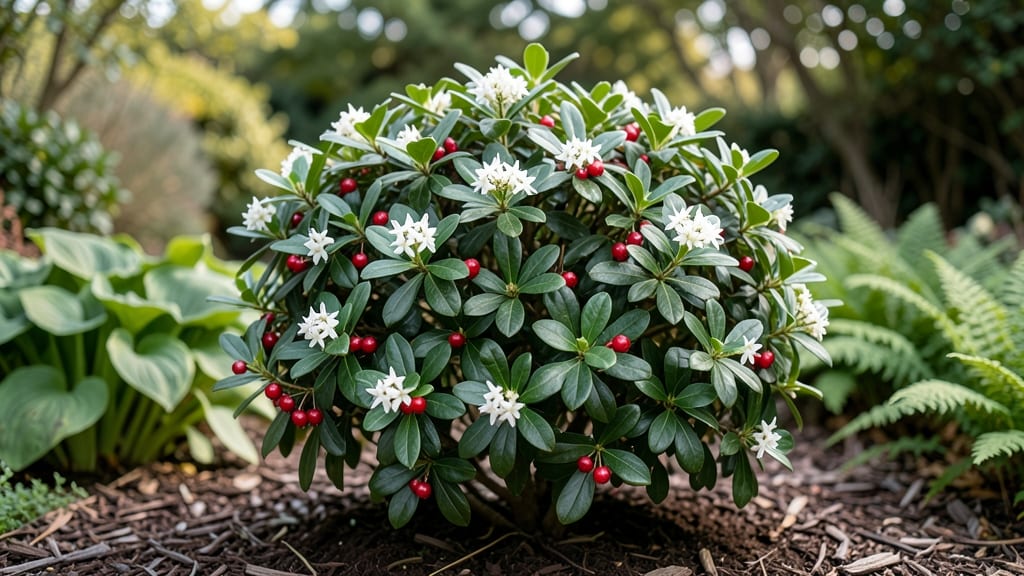
Creating a Christmas tree shrub privacy screen turns your yard into a year-round holiday wonderland. 🌲 These evergreen beauties grow into perfect conical shapes—like miniature Christmas trees—while providing 12-foot-tall privacy that stays lush in every season.
I’ve used them to replace chain-link fences, and the transformation is instant: neighbors ask if we hired a landscaper (secret’s out). The magic happens with two pruning secrets: first, shape them in early spring when new growth emerges, and second, trim just outside the branch tips to encourage fullness.
Most varieties like Emerald Green Arborvitae or Leyland Cypress handle this well, staying dense and upright without needing constant maintenance. You’ll end up with a living screen that smells fresh year-round and looks like a holiday card come winter.
By late fall, these shrubs become your festive centerpiece—string lights through them, add pinecones at the base, and they’ll look like they belong in a Christmas storybook. The best part? They block noise, reduce wind, and grow faster than wooden fences.
Perfect for borders, property lines, or even as a dramatic focal point near your front walk. Works in zones 5-8, though colder climates need wind protection. Pair with holly bushes or ornamental grasses for a layered holiday look. Ready to grow your own green curtain? Let’s get pruning!
📚 In This Guide
- What you need
- Instructions
- Tips and common mistakes
- Wrapping up and next steps
What you need
- ● Christmas Tree Shrub (Chamaecyparis lawsoniana) – 1-3 mature plants (12–15 ft tall, depending on spacing needs). Choose ‘Ellwoodii’ or ‘Green Arrow’ for dense growth.
- ● Pruning shears – Sharp, bypass-style shears (for clean cuts on branches <½" thick).
- ● Loppers – For thicker branches (1–2" diameter).
- ● Hand pruners – For fine-tuning and detail work.
- ● Gloves – Heavy-duty gardening gloves (to protect from thorns and sap).
- ● Mulch – 2–3 inches of organic mulch (pine bark or shredded leaves) to retain moisture.
- ● Watering can or hose – With a gentle spray nozzle for post-pruning hydration.
- ● Hedge trimmer – Electric or battery-powered (for uniform shaping of large surfaces).
- ● Measuring tape – To maintain consistent spacing (6–10 ft apart for full privacy).
- ○ Stakes & twine – Optional, for supporting young shrubs during establishment.
- ● Fertilizer – Slow-release, acid-loving plant fertilizer (e.g., 10-10-10 or pine-fir blend).
- ○ Pruning sealant – Optional, for large cuts to prevent disease (use sparingly).
- ● Timing matters! Prune in late winter or early spring (before new growth) for best results.
- ● Wear safety goggles if working with dense foliage to avoid sap irritation.
- ● For a Christmas-tree shape, prune the top center slightly shorter than the sides to encourage upward growth.
Step-by-step instructions for designing a 12-Foot Christmas tree shrub privacy screen
Transform your property with a lush, evergreen privacy screen that grows naturally to 12 feet—no pruning required!
🌱 Step 1: Select the Right Evergreen Species for Height and Density
Choose Thuja plicata (Western Red Cedar) or Chamaecyparis lawsoniana (Lawson Cypress) for their natural 12-15 foot height and dense, columnar growth. Both thrive in USDA Zones 5-8 and tolerate partial shade, though full sun yields the thickest foliage. Avoid overwatering at planting—these shrubs prefer well-drained soil and can rot if left soggy.
I always opt for 3-5 gallon container-grown plants for faster establishment. Space them 4-5 feet apart in a row to ensure they fill gaps naturally without aggressive pruning. The key is selecting uniform-sized plants—this creates a seamless screen over time.
🪴 Step 2: Prepare the Planting Site for Optimal Growth
Dig a hole twice as wide as the root ball but only as deep as the container. Amend the native soil with 2 inches of compost mixed into the bottom of the hole—this improves drainage and provides nutrients without overwhelming the roots. Avoid heavy amendments like peat moss, which can compact and suffocate roots.
Place each shrub in the hole so the top of the root ball sits 1 inch above ground level. This prevents stem rot from sitting water. Backfill with native soil, tapping gently to eliminate air pockets. Water deeply until the soil feels uniformly moist to a depth of 6 inches. Mulch with 2-3 inches of shredded bark, keeping it 6 inches away from stems to prevent moisture buildup.
☀️ Step 3: Position for Year-Round Privacy and Sunlight Balance
Plant your row at least 20 feet from structures like houses or fences to avoid root competition and allow for natural spread. Face the narrowest side of the shrubs toward the house—this creates the illusion of a taller screen by minimizing visible gaps. In partial shade, growth may slow slightly, but the dense foliage will still block wind and views effectively.
Here’s the thing—don’t rush planting. Wait until fall or early spring when roots establish before summer heat stress. If planting in summer, water twice weekly for the first month to compensate for heat loss. You’ll see new growth within 6-8 weeks if conditions are right.
✂️ Step 4: Maintain with Minimal Pruning for Natural Form
Skip heavy pruning—the goal is a low-maintenance screen. Lightly shape the tops in early spring by removing no more than 20% of the foliage to encourage bushier growth. Use clean, sharp pruners to make cuts just above a leaf bud or side branch. Avoid "heading back" (cutting into old wood), which stresses the plant.
Fertilize once yearly in early spring with a slow-release, balanced fertilizer (10-10-10). Apply it 6 inches away from the stem and water it in immediately. Over-fertilizing leads to weak, leggy growth. Watch for brown tips—a sign of either underwatering or salt buildup from fertilizer. Adjust watering to 1 inch per week during dry spells.
🌿 Step 5: Monitor for Pests and Adjust Care Seasonally
Inspect foliage monthly for spider mites or bagworms, which thrive in dry conditions. A strong spray of water in the early morning usually deters pests—these shrubs rarely need chemical treatments. If you notice yellowing needles, it’s often due to overwatering or poor drainage. Amend the soil with sand or perlite if compacted.
In winter, evergreens lose moisture through transpiration. Apply 3-4 inches of mulch in late fall to insulate roots and retain moisture. Avoid heavy snow damage by gently brushing off accumulation—never shake the shrub, which can break branches. With proper care, your 12-foot screen will mature in 5-7 years, providing year-round privacy and curb appeal.
Tips & tricks for perfect Christmas tree shrub privacy screens
These game-changing insights will help you create a flawless, natural privacy barrier that grows tall and lush without constant upkeep.
Species Selection: Western Red Cedar and Lawson Cypress are your best bets for that classic Christmas tree shape, but don't overlook Leyland Cypress if you want even faster growth. I've found that container-grown plants with closed root systems establish 30-40% faster than bare-root stock. Look for nursery tags showing the plant's height—this ensures uniform spacing and prevents future gaps in your screen.
Planting Depth: The 1-inch elevation above ground level for the root ball is non-negotiable—it prevents stem rot that can kill your screen before it even matures. I've seen too many people plant too deep, which suffocates the roots. Use a level to check each planting hole, and tap the soil gently after backfilling to eliminate air pockets that could lead to root rot.
Watering Wisdom: That 6-inch deep moisture check after planting is crucial, but don't make the mistake of thinking "more water = better." These evergreens hate soggy roots. In the first month after planting, I water deeply every 3-4 days rather than daily shallow watering. This encourages deep root growth that will support your 12-foot height goal over time.
Fertilizer Strategy: The 10-10-10 balanced fertilizer applied 6 inches from the stem in early spring is perfect, but here's what nobody tells you—too much fertilizer causes those unsightly brown tips. I've learned to halve the recommended dose for the first year after planting. Also, always water it in immediately to prevent salt buildup that can burn the roots.
Pro Tips for Christmas Tree Shrub
- These game-changing insights will help you create a flawless, natural privacy barrier that grows tall and lush without constant upkeep.
- Species Selection: Western Red Cedar and Lawson Cypress are your best bets for that classic Christmas tree shape, but don't overlook Leyland Cypress if you want even faster growth.
- Planting Depth: The 1-inch elevation above ground level for the root ball is non-negotiable—it prevents stem rot that can kill your screen before it even matures.
Frequently asked questions
Got questions about growing and maintaining your Christmas Tree Shrub (also known as Pittosporum tobira)? Here are some common ones—plus expert tips to keep your evergreen privacy screen thriving!
How fast does a Christmas Tree Shrub grow?
A healthy Pittosporum tobira grows about 12–18 inches per year, reaching its mature height of 12 feet in 5–10 years with proper care. Pruning in late winter or early spring encourages denser growth and helps maintain your desired shape. Pro tip: For faster growth, ensure it gets full sun and well-draining soil!
When is the best time to prune a Christmas Tree Shrub?
The ideal time to prune is late winter or early spring, just before new growth begins. Avoid heavy pruning in fall, as it can stimulate tender new growth that may not survive winter. Light trimming to shape can be done anytime, but never prune more than 1/3 of the shrub at once to avoid stress.
Can I grow a Christmas Tree Shrub in a container?
Yes! While they thrive in the ground, Pittosporum tobira can also grow in large containers (at least 18–24 inches wide and deep). Use well-draining potting mix and ensure the container has drainage holes. Note: Container-grown shrubs may grow slightly slower and need more frequent watering. Rotate the pot occasionally for even growth!
What pests or diseases should I watch for?
Christmas Tree Shrubs are generally low-maintenance, but keep an eye out for scale insects, spider mites, or aphids. Yellowing leaves or sticky residue can signal infestations—treat with insecticidal soap or neem oil. Fungal issues like powdery mildew may occur in humid conditions; improve airflow and avoid overhead watering to prevent problems.
Is this shrub drought-tolerant once established?
After the first year, Pittosporum tobira is highly drought-tolerant and thrives with minimal watering once established. However, young shrubs need consistent moisture. Water deeply 1–2 times per week during the first year, then reduce to every 2–3 weeks in dry spells. Mulching helps retain soil moisture and regulates temperature.
Wrapping up and next steps
Transforming your Christmas tree shrub into a stunning 12-foot privacy screen is totally doable with the right care and technique!
Whether you’re trimming for shape, health, or seasonal flair, remember that consistency and patience are your best tools. 🌿 With these pruning tips, you’ll enjoy a lush, vibrant screen that adds year-round beauty and privacy to your space.
Ready to take the next step? Grab your pruners and schedule your first trim session—your future evergreen oasis is waiting! For extra guidance, bookmark this guide or share it with fellow gardening enthusiasts. Happy pruning! ✂️🌟