
Pruning
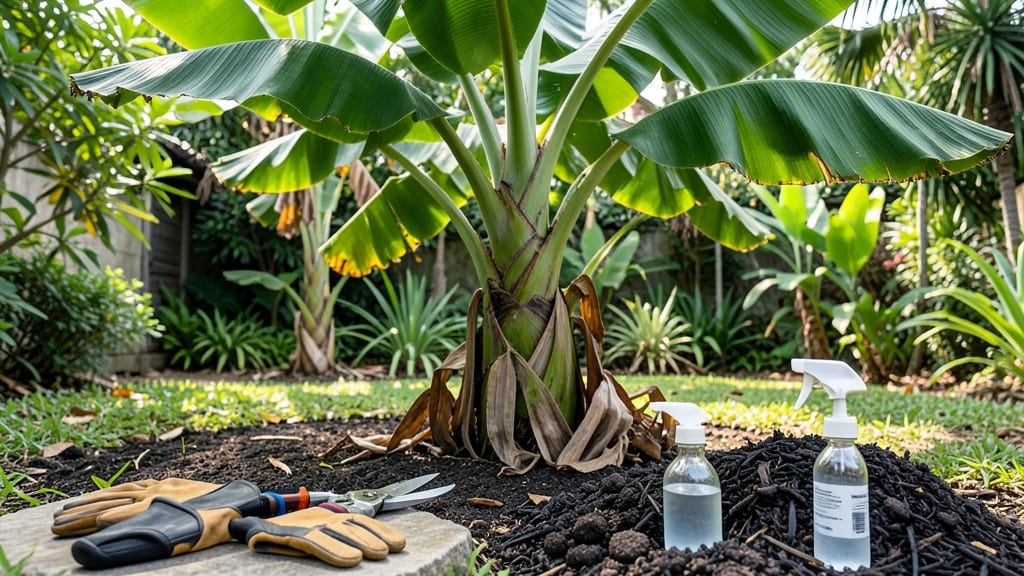
Banana tree trimming feels like sculpting a living masterpiece—one wrong cut and you’ve got a lopsided giant. ✂️ I’ve learned the hard way that timing and technique matter more than brute force. The secret? Pruning at the right moment to shape growth without shocking the plant.
Start by removing only the dry, yellow fronds—never healthy green ones. Use clean, sharp pruners to cut at the base, leaving a small stub. This keeps the tree’s energy flowing where it matters: new shoots and fruit production.
The goal is to open up the center for airflow, which prevents fungal issues. After trimming, you’ll notice fresh green shoots emerging within 2-4 weeks. These are your future harvests—each one a promise of sweet, tropical fruit.
Just avoid cutting into the pseudostem (the thick trunk-like structure), as that’s where the magic happens. Works for both outdoor tropical climates and container-grown trees in warmer zones. Here’s how to do it right the first time—no guesswork, just results.
📚 In This Guide
- What you need
- Instructions
- Tips and common mistakes
- Wrapping up and next steps
What you need
- ● Pruning shears or loppers: Choose bypass pruners (for clean cuts) with a 4- to 6-inch blade. A pair of loppers (8- to 12-inch blades) is ideal for thicker stems.
- ○ Hand saw (optional but helpful): A pruning saw with a curved blade for cutting through thick, woody pseudostems (the "trunk" of a banana tree).
- ● Disposable gloves: Heavy-duty, cut-resistant gloves (e.g., mechanics’ gloves) to protect your hands from sharp edges and sap.
- ● Disinfectant (70% isopropyl alcohol or bleach solution): 1 part bleach to 9 parts water to sterilize tools between cuts and prevent disease spread.
- ● Heavy-duty trash bags or compost bin: For collecting large amounts of pruned material (banana trees produce a lot of debris!).
- ● Ladder (if needed): A stable, extendable ladder (8-12 ft) for reaching higher branches—never stand on the tree itself.
- ● Rubbing alcohol or hydrogen peroxide: For cleaning sap off tools or skin quickly.
- ● Sharpie or marker: To label healthy suckers (future harvests!) if you’re propagating.
- ● Mulch or compost: To replenish nutrients in the soil after trimming.
- ● Safety goggles: If you’re dealing with thorny varieties or thick debris.
How to trim a banana tree for healthier growth
Here's the method I use to keep my banana plants productive and lush—no guesswork, just strategic cuts.
🌱 Step 1: Identify and Remove Dead or Diseased Pseudostems
Banana trees grow from a pseudostem—a thick, false stem made of tightly packed leaves. Before you do anything, scan the base for any blackened, mushy, or hollow areas. These are dead or infected tissues that can spread disease to healthy parts of the plant. Use clean, sharp pruners to cut away any damaged sections, making your cuts about 1 inch above the healthy tissue.
I always wear gloves for this step—banana pseudostems can be abrasive, and you don’t want sap or saplings irritating your skin. If you see yellowing or browning at the base, that’s a sign of rot. Remove it immediately, even if it means cutting into the pseudostem. Healthy tissue should feel firm and greenish inside when you slice it open.
✂️ Step 2: Prune Old or Yellowing Leaves
Once the pseudostem is healthy, focus on the leaves. Banana trees produce massive, dramatic fronds that eventually yellow and die back. These old leaves don’t just look unsightly—they also steal energy from new growth. Use your pruners to cut off any leaves that are more than 50% yellow or brown, starting from the base of the frond and working your way up.
Here’s the trick: leave the bottom 3-4 healthy leaves intact. These act as a natural sunshade for the developing fruit bunch and protect the pseudostem from sunburn. You’ll know you’ve left enough when the center of the plant still looks shaded and the remaining leaves are vibrant green. Avoid cutting into the main stem—banana trees don’t regrow from there.
☀️ Step 3: Encourage New Growth by Trimming Suckers
Banana trees produce suckers—small offshoots that grow from the base of the main pseudostem. These are your future plants, but they also compete with the mother plant for nutrients. If you want to propagate, leave 1-2 of the strongest suckers (the ones closest to the main stem) and remove the rest. Use clean pruners to cut suckers at the base, making sure to sever the connection completely.
Real talk: I’ve learned the hard way that leaving too many suckers weakens the main plant. If you’re not ready to transplant, remove all but one sucker—this forces the mother plant to focus its energy on producing a single, robust fruit bunch. After trimming, water the base of the plant deeply to help it recover and encourage new growth.
⏰ Step 4: Time Your Trims for Maximum Benefit
Timing matters more than you might think. The best time to trim a banana tree is right after harvest, when the plant has already directed its energy into producing fruit. Avoid trimming during the flowering or fruiting stages—this can stress the plant and reduce yield. If you’re in a warmer climate, you can trim year-round, but in cooler areas, wait until spring when new growth naturally accelerates.
Watch for new leaves emerging from the center of the pseudostem—that’s your signal that the plant is ready for another round of trimming. These fresh leaves mean the plant is healing and preparing for its next growth cycle. If you see slow or stunted growth after trimming, you might be overdoing it. Banana trees are resilient, but even they need time to bounce back.
Tips & tricks for perfect banana tree maintenance
These simple strategies will help you keep your banana plants thriving between trims—no green thumb required.
Tool Prep: Before you start, sterilize your pruners with rubbing alcohol or a 10% bleach solution to prevent spreading disease between cuts. I keep a small spray bottle of diluted bleach handy for quick sanitizing between plants. Sharp tools make cleaner cuts that heal faster, so take 2 minutes to sharpen your blades if they feel dull—this prevents tearing that can introduce infections.
Seasonal Timing: The instructions mention trimming right after harvest, but here's what nobody tells you—if you're in a tropical climate, you can actually do light maintenance trims every 3-4 months to encourage continuous fruiting. Just avoid heavy pruning during rainy seasons, as the wounds take longer to heal when constantly wet. In cooler climates, focus your efforts on early spring when the plant naturally starts its growth cycle.
Sucker Strategy: When deciding which suckers to keep, look for ones that are at least 1/3 the size of the mother plant and have at least 3-4 healthy leaves. I've seen beginners keep weak suckers that never produce fruit, only to waste valuable nutrients. For propagation, choose suckers that emerge from the lower third of the pseudostem—they tend to be more vigorous than those higher up.
Post-Trim Care: After trimming, apply a thin layer of horticultural sealant to any large cuts to prevent disease entry. I use a product called "Tree Seal" that creates a protective barrier while allowing the wound to breathe. Water deeply right after trimming to help the plant recover, but avoid soaking the base—this can lead to rot. In hot climates, provide afternoon shade for 2-3 days to reduce stress on the plant.
Pro Tips for Banana Tree Trimming
- These simple strategies will help you keep your banana plants thriving between trims—no green thumb required.
- Tool Prep: Before you start, sterilize your pruners with rubbing alcohol or a 10% bleach solution to prevent spreading disease between cuts.
- Just avoid heavy pruning during rainy seasons, as the wounds take longer to heal when constantly wet.
Frequently asked questions
Got questions about trimming your banana tree? You’re not alone! Here are some of the most common concerns—plus clear, actionable answers to keep your plant thriving.
When is the best time to trim a banana tree?
Trim your banana tree after it’s finished fruiting (late fall or winter in most climates) or when you spot dead, yellowing, or overgrown leaves. Avoid heavy pruning during active growth (spring/summer) unless removing diseased foliage. Pro tip: Wait until new suckers emerge to ensure the plant has energy reserves!
How much can I cut back a banana tree?
Remove up to 50% of the leaves if they’re yellow, damaged, or blocking sunlight—but never trim more than ⅓ of the canopy at once. Focus on dead or diseased leaves first, then shape the tree for airflow. Warning: Over-trimming can stress the plant, reducing fruit production.
What if my banana tree has no leaves left after trimming?
Don’t panic! A bare banana tree is normal after heavy pruning—it’s redirecting energy to new growth (suckers) or storing nutrients for next season. Keep the soil moist, fertilize lightly, and avoid pruning again until you see 3–4 new leaves emerging from the base.
Can I trim a banana tree while it’s fruiting?
Light trimming (removing only dead or pest-infested leaves) is fine, but avoid heavy cuts during fruiting. The plant needs all its energy to support bananas. Save major pruning for post-harvest (after the fruit turns yellow and drops).
What do I do with the trimmed leaves?
Don’t toss them! Use pruned leaves for mulch (chop and spread around the base to retain moisture), compost (if disease-free), or even as natural pest deterrents (hang bunches near the tree to repel insects). Bonus: Dry and store a few leaves to use as emergency shade for young suckers!
Wrapping up and next steps
Trimming your banana tree isn’t just about aesthetics—it’s a game-changer for healthier growth, better fruit production, and a tidier yard. 🌱 By mastering the right techniques (like pruning dead fronds, shaping strategically, and timing cuts properly), you’ll unlock year-round vibrancy and even boost your harvest.
Whether you’re a seasoned gardener or just starting, every snip is a step toward a thriving tropical oasis!
Ready to roll up your sleeves? Grab your tools, pick a sunny day, and give your banana tree the TLC it deserves! 🌿 Start small, observe how it responds, and soon you’ll be trimming like a pro—one lush leaf at a time.